

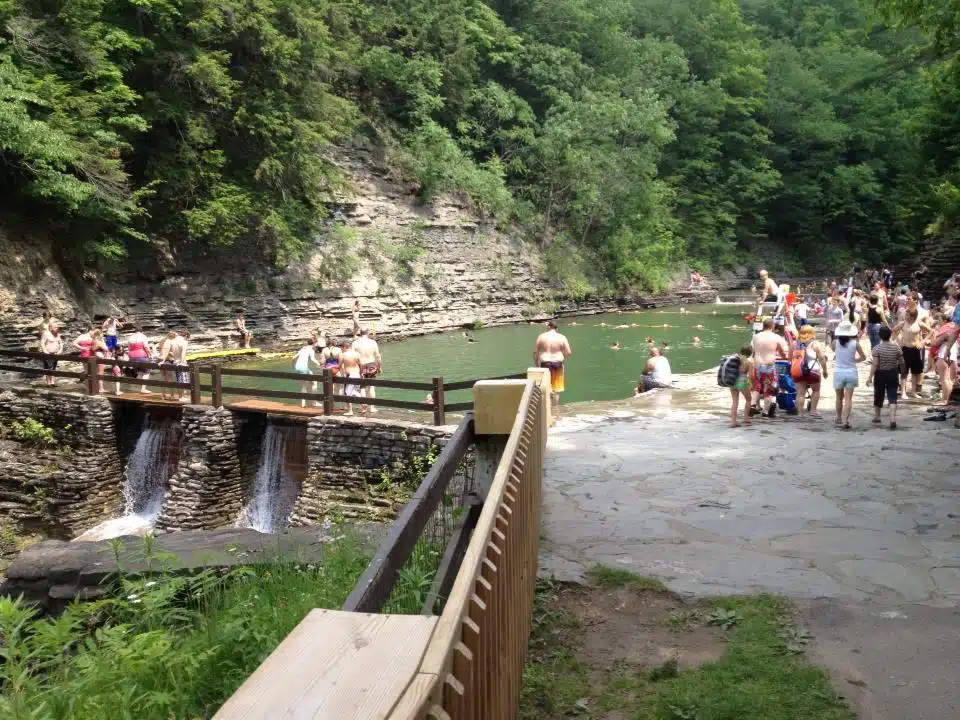
New York officials are urging families to take basic water safety precautions as summer break begins and children spend more time near pools, beaches and water parks.

The state Department of State's Division of Consumer Protection issued the guidance Friday, citing federal data that identifies drowning as the leading cause of death for children under 4 and the second-leading cause for children ages 5 to 14.

Secretary of State Walter T. Mosley said swimming is one of the most popular family activities during hot weather and that New York has launched initiatives to expand access to swimming instruction and recreational water activities.
The state highlighted several safe swimming initiatives, including the "Every Child a Swimmer" law, which requires school districts to provide water safety information to parents or guardians when children under 18 enroll. Officials also pointed to NY SWIMS, a grant program supporting public pools, natural swimming areas and other aquatic facilities.
State Parks is also offering free Learn-to-Swim programs in partnership with community organizations, and has worked with the American Red Cross to expand the number of pools offering water safety instruction.
 FL1 FORECAST: Dangerous heat builds this week as Finger Lakes enters summer's hottest stretch
 Officials urged parents to enroll children in swimming lessons, use properly fitted life jackets for non-swimmers and weak swimmers, and avoid relying on "water wings" or other floaties as substitutes for approved flotation devices.
The Division of Consumer Protection also recommended that adults learn CPR, choose brightly colored swimsuits for better visibility, and designate a water watcher whenever children are in or near water. Officials said that person should not be reading, texting, using a smartphone, drinking alcohol or otherwise distracted.
Parents were also reminded that lifeguards do not replace adult supervision, and that drowning victims can be out of sight for five minutes or less.
Other tips include keeping toddlers and young children in shallow play areas, listening to lifeguards and park staff, taking breaks, staying hydrated, watching for sunburn and fatigue, and reporting unsafe conditions to venue staff.

Officials said swimmers in distress may not always wave or call for help. Warning signs can include a head low in the water, mouth submerged or open, closed or unfocused eyes, vertical legs in the water, or a swimmer trying to move without making progress.

FingerLakes1.com is the region’s leading all-digital news publication. The company was founded in 1998 and has been keeping residents informed for more than two decades. Have a lead? Send it to news@fingerlakes1.com.