As housing costs continue to rise across New York, Cayuga County Habitat for Humanity leaders say their mission of creating affordable homeownership opportunities has never been more important.
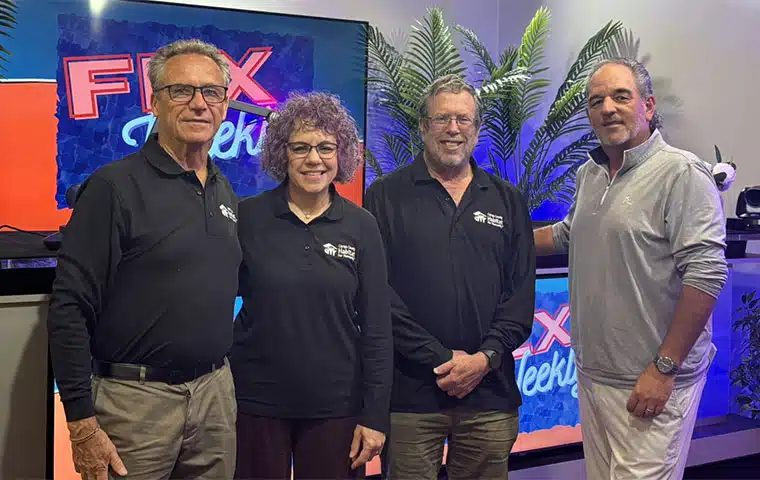
During a recent appearance on FLX Weekly, Executive Director Mary Pidgeon, Construction Supervisor Larry Pidgeon and Treasurer Larry Epstein discussed the organization’s work, ongoing projects and the growing need for affordable housing throughout Cayuga County.

Habitat for Humanity helps low- and moderate-income families become homeowners through an affordable mortgage program that combines grants, subsidies and volunteer labor to reduce costs. Applicants must demonstrate a need for housing, meet income requirements and show they can afford a mortgage payment. Selected families are also required to contribute more than 100 hours of “sweat equity” through construction work and community service.
Pidgeon said one of the biggest misconceptions about Habitat for Humanity is that homes are given away for free. Instead, homeowners purchase the homes through affordable mortgages and invest significant time helping build them.
“We always start with the fair market value,” Pidgeon explained, noting that Habitat often works to reduce the cost of a home valued at more than $100,000 to a level that is affordable for families earning between $35,000 and $45,000 annually.
The organization typically receives between 15 and 25 applications during each enrollment period but generally selects only one partner family for each available home project. Applicants are evaluated through a screening and interview process that considers financial qualifications, housing need and willingness to participate in the program.

The discussion also highlighted the role volunteers play in every project. Larry Pidgeon, who oversees construction, said Habitat work sites often include everyone from attorneys and engineers to retirees and first-time volunteers.
His goal, he said, is to make sure volunteers are safe, have fun and learn new skills while helping families achieve homeownership. Many volunteers arrive with little or no construction experience and learn as they work alongside experienced supervisors and tradespeople.
Epstein said the organization relies on a mix of grants, material donations and financial contributions to support its mission. Beyond construction costs, Habitat must also cover insurance, rent, salaries and other operating expenses. Rising property values and construction costs have made the work more challenging, he said, as Habitat competes with private buyers for homes and vacant land.
Currently, Cayuga County Habitat for Humanity is renovating a home on Grove Avenue in Auburn. While the organization generally completes one or two homes annually, leaders said they continue looking for ways to expand their impact. The group primarily works in Auburn due to strong partnerships with city officials and access to available properties, but hopes to eventually increase its presence in more rural parts of the county.
In addition to building homes, Habitat operates a critical home repair program that helps homeowners address urgent needs such as broken windows, damaged doors, weatherization issues and accessibility improvements. Through grants and volunteer labor, the organization has completed projects throughout Cayuga County, from Red Creek and Sterling to Groton. Leaders said the repair program allows Habitat to serve dozens of families each year, even when new home construction is limited.
The organization is also preparing for several fundraising and volunteer initiatives. Throughout July, Cayuga County Habitat for Humanity will participate in del Lago Resort & Casino’s Give Five Get 10 promotion, allowing visitors to donate to the organization while receiving free play credits. The group will also host its annual Women Build event in September, giving participants an opportunity to learn construction skills while supporting affordable housing efforts.
Founded in 1991, Cayuga County Habitat for Humanity serves communities throughout the county through homeownership opportunities, critical repairs and volunteer-driven projects aimed at strengthening neighborhoods and helping families achieve long-term housing stability.

FingerLakes1.com is the region’s leading all-digital news publication. The company was founded in 1998 and has been keeping residents informed for more than two decades. Have a lead? Send it to news@fingerlakes1.com.