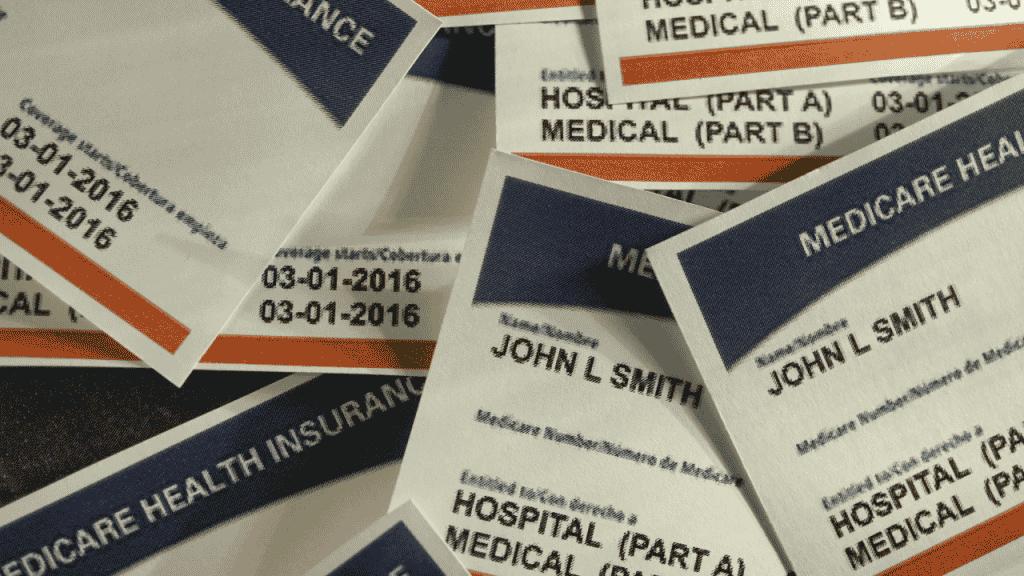
New York experts warn there’s uncertainty surrounding this year’s Affordable Care Act open enrollment. It comes amid a federal government shutdown over an impasse between federal leaders on whether to extend pandemic-era ACA tax credits. Without these, some estimates find premiums will increase by as much as 114%.
While cost is a top-of-mind issue when picking out health coverage, Elisabeth Benjamin, vice president for health initiative with the Community Service Society of New York, said people should keep other considerations in mind.
“One thing that’s really important to consider is whether your doctor is in-network or not, whether the hospital you want to go to is in-network or not,” she explained. “Another thing to think about is whether all your prescriptions are on that health plan’s formulary.”

Benjamin said how and when a person will experience costs is another consideration. Though it can be a daunting process, the Community Service Society of New York can help guide enrollees through it. While ACA open enrollment runs from November 1st through January 15th, only plans chosen by December 15th will begin at the start of 2026.
Other challenges stem from misinformation about the open enrollment process. An Edelman’s Trust Barometer survey finds 43% of people regret a health decision they made based on misleading information. It also notes 1-in-4 adults from ages 35 to 54 let content creators without medical credentials influence their health decisions.
Dr. Rhonda Randall, chief medical officer, UnitedHealthcare Employer & Individual, said it’s important to get medical advice from credible sources.
“When you see health information online, it’s important to keep in mind that it’s not all accurate, and I think we intuitively know that, but it’s a good reminder, right? You want to make sure that you’re checking the source that you’re getting your information from a credentialed medical professional or a reputable organization,” she said.
She added people should check for accessible links to research and evidence. Randall warns anything that sounds too extreme is likely misinformation.

Edwin is a reporter and producer in North Tonawanda, New York. He’s previously reported for the Niagara Gazette and the Ithaca Times. Edwin got an early start in radio interning for WBFO-88.7FM, NPR’s Buffalo affiliate. In 2018, he graduated from SUNY Buffalo State College with a B.A. in Journalism, and in 2022, graduated from Syracuse University with an M.S. in Communications.