

A new bill introduced in Albany aims to make cryptocurrency mining companies pay for the massive amount of electricity they consume — and provide relief to New Yorkers facing rising utility costs.
Senator Liz Krueger and Assemblymember Anna Kelles unveiled legislation this week that would impose a sliding-scale excise tax on proof-of-work (PoW) crypto mining operations, which are known for their intense energy use and growing environmental impact.

“Cryptocurrency mining corporations reap enormous profits while externalizing the true costs of their operations onto our communities, our climate, and New York families’ utility bills,” Kelles said in a statement. “This bill ensures that the most energy-intensive facilities finally pay their fair share.”
The tax would apply only to large-scale PoW mining centers and would be based on their total electricity use:
- Under 2.25 million kWh/year: No tax
- 2.25–5 million kWh: 2¢ per kWh
- 5–10 million kWh: 3¢ per kWh
- 10–20 million kWh: 4¢ per kWh
- Over 20 million kWh: 5¢ per kWh
Facilities powered entirely by renewable energy and not connected to the grid would be exempt.
The lawmakers say revenues from the tax — estimated at over $500 million annually — would fund the state’s Energy Affordability Programs, which provide utility bill relief for low- and moderate-income households.
Power, pollution, and profits
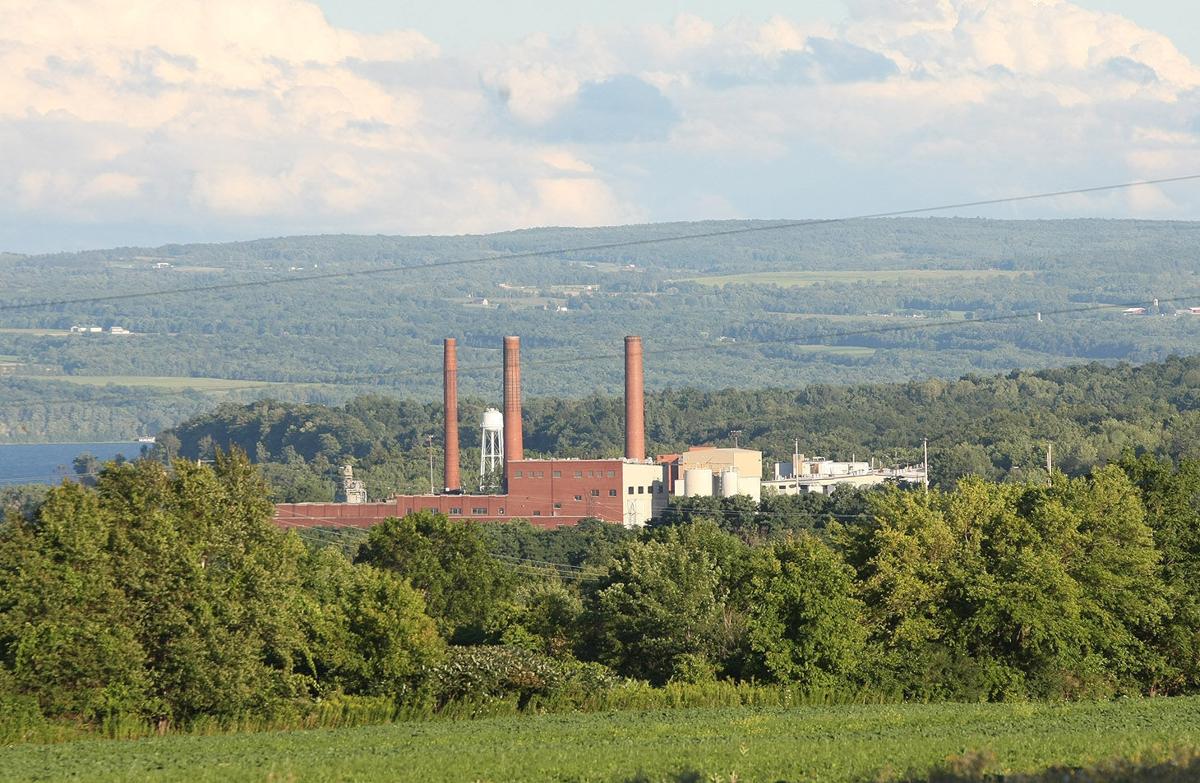
According to the bill’s sponsors, cryptomining data centers in New York use electricity on par with small cities but offer little benefit to nearby communities. A 2022 study estimated they drive up electricity costs by $79 million per year for households and $165 million for small businesses statewide.
Beyond cost, the facilities also raise environmental red flags. Many rely on repowered fossil-fuel plants, increasing greenhouse gas emissions and drawing huge amounts of freshwater for cooling. They also generate noise pollution and large volumes of electronic waste — often concentrated in already overburdened environmental justice communities.
Pushing for a long-term solution
The proposal follows a now-expired 2022 moratorium on new fossil-fuel-powered cryptomining operations. A state environmental review later estimated that current facilities could cause $10.6 billion in damages between 2024 and 2050.
The new bill is designed to be a long-term solution that balances innovation with climate goals and economic fairness.
“By directing revenues into energy affordability programs,” Kelles said, “we are turning a source of harm into a tool for relief.”

FingerLakes1.com is the region’s leading all-digital news publication. The company was founded in 1998 and has been keeping residents informed for more than two decades. Have a lead? Send it to news@fingerlakes1.com.