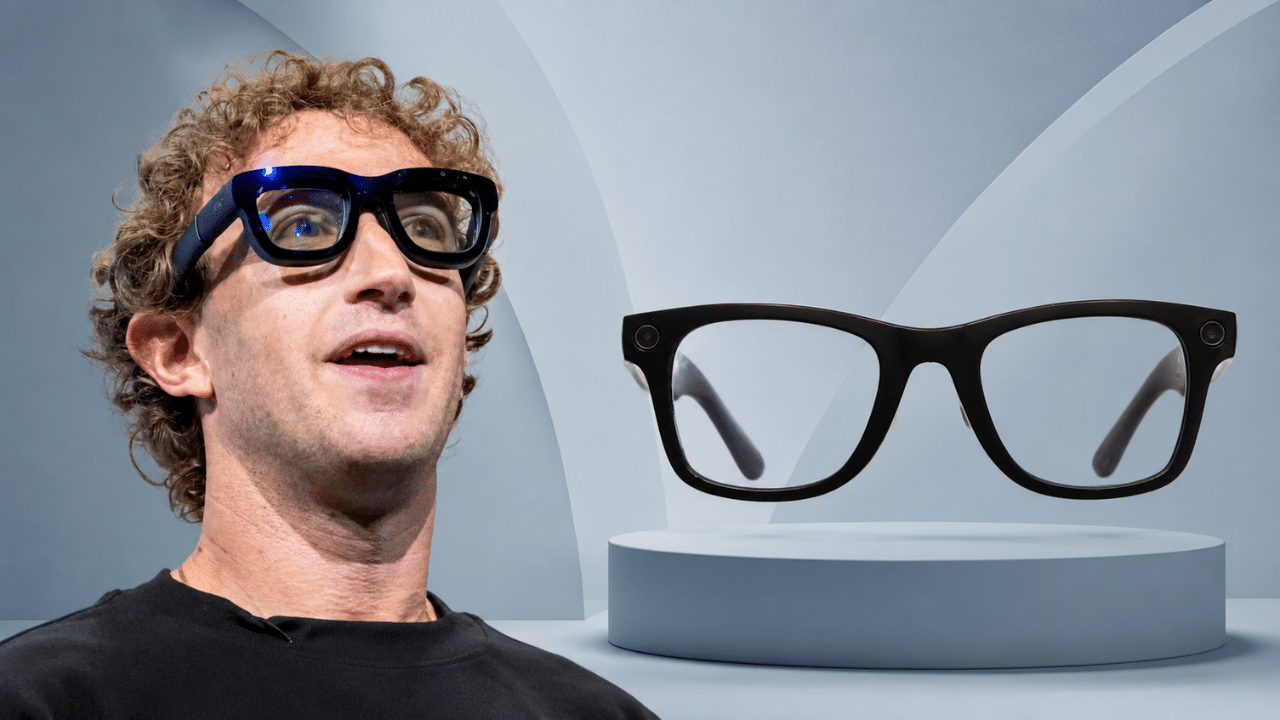
New York is banning smart glasses and other recording-enabled eyewear from its court system statewide. The rule is expected to go into effect July 20, 2026 and will affect more than 1,240 state and local courts. This policy applies to devices that can record audio or video and is intended to prevent covert recording of court proceedings. Anyone going to court after the effective date should leave smart glasses at home or be prepared to give them up at security.
The Rule Is About More Than Popular Smart Glasses
The policy is more than a ban on a particular brand or product. The New York Unified Court System says the restriction applies to eyeglasses and head coverings that are capable of recording audio or video. So the rule is not just for the well-known consumer smart glasses. The restriction applies to any wearable device that has recording technology when a person enters a covered court facility.
Prescription Smart Glasses Also Covered
Court visitors should not assume that prescription lenses automatically exempt them. The court administration memo says the rule covers eyewear and headwear with cameras, microphones, computers or other recording technology, including prescription smart glasses. This makes planning particularly important for those who depend on prescription eyewear and technology-enabled lenses. One good way to avoid problems at courthouse security would be to carry regular prescription glasses.
Security Might Require Visitors to Check Devices
People who bring banned smart glasses into a New York court facility will have to turn them over for safekeeping before entering. The policy applies not just to ordinary visitors but to people who work in the court system as well. Under the new procedure, the devices will be held by court security personnel, so visitors should plan for additional screening requirements before a hearing, appointment, jury service or other court business.
The Ban Is Aimed At Stopping Secret Recordings
The main motivation behind the new rule is fear that smart glasses can make unauthorized recording difficult to detect. According to reports, the court memo stated that the prohibition is in place to stop people from secretly recording proceedings in violation of New York civil rights law and applicable court rules. Unlike a smartphone held visibly in someone’s hand, eyewear with a camera can look like regular glasses, making enforcement of existing recording restrictions more difficult.
Privacy of jurors and witnesses is a major concern.
The use of smart glasses has brought up broader concerns about courtroom privacy and security. A recording of a proceeding in a courthouse may reveal the identity or activity of jurors, witnesses, minors or other participants whose identities or activities must be protected. Legal and privacy experts also have cautioned that cameras can alter the behavior of witnesses and jurors and potentially undermine the integrity of proceedings. The emergence of less conspicuous wearable cameras has made these age-old courtroom concerns more difficult to navigate.
New York’s policy is unusually wide
While New York is not the first jurisdiction to ban smart glasses in court, the policy is notable because it applies to the entire state court system. New York’s move is being called the first broad statewide court ban of its type in the U.S., although other court systems and individual jurisdictions have already implemented similar restrictions. The ruling illustrates how courts are quickly adapting existing rules on recording to newer wearable technology.