Auburn officials are not waiting for a data center proposal to land at City Hall before deciding whether the city should act.
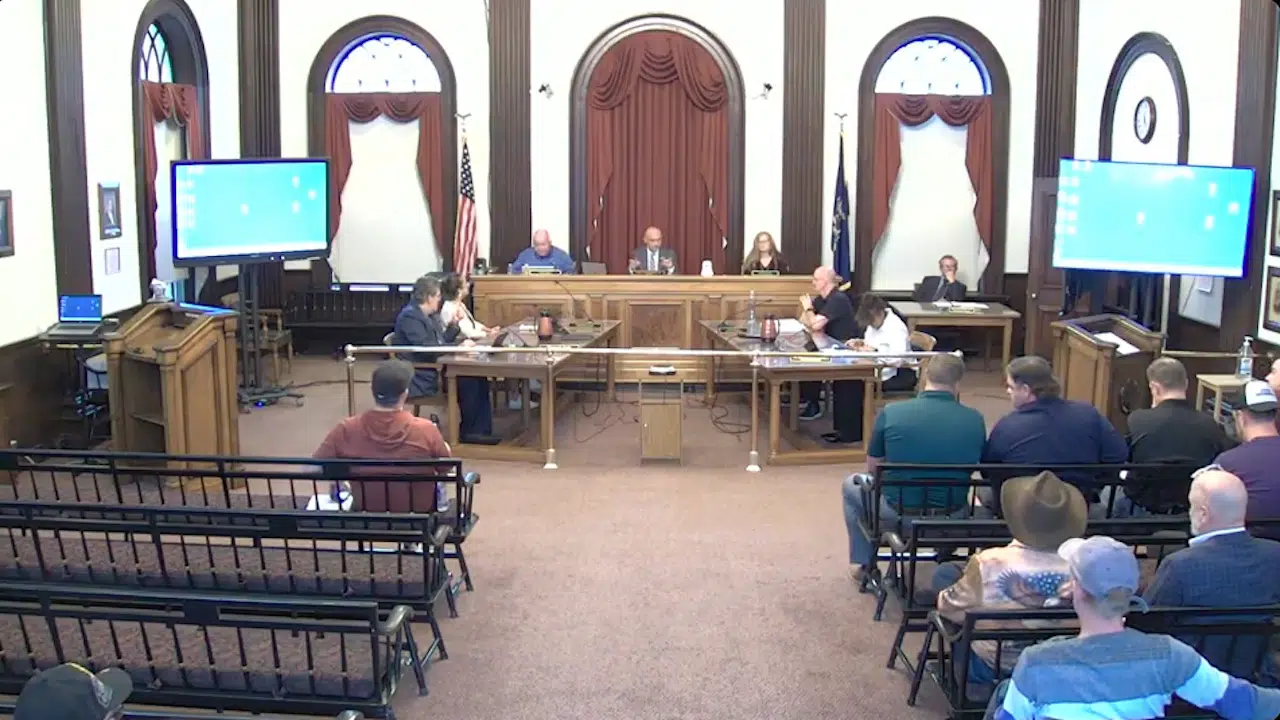
The City Council voted unanimously Thursday to urge Gov. Kathy Hochul to sign legislation imposing a one-year moratorium on new data center construction across New York. Council members also signaled that Auburn could pursue its own restrictions to protect Owasco Lake, local water infrastructure and electricity customers.

The Responsible Data Center Development Act passed both houses of the state Legislature on June 4. The bill would pause new construction while the state studies the industry’s potential effects on utility rates, water supplies, public health, communities and the environment.
Auburn’s resolution cited the large amount of electricity and water required to operate data centers, along with concerns about noise, electronic waste, land consumption and the limited number of permanent jobs created by the facilities.
The resolution also noted that residential electricity rates in New York increased 43% between 2020 and 2025. It warned that additional data center demand could put more pressure on the electric grid and increase costs for customers.
Resident Ian Phillips urged the council to support the measure, pointing to public opposition surrounding a proposed data center project in the town of Lysander.
Phillips said thousands of residents have attended meetings there as communities across the state begin weighing the effects of large-scale data infrastructure.
“We need to treat this like the crisis it is, as if it was in our own backyards,” Phillips said.
He said the proposed Lysander facility could use several times as much water each day as the entire city of Auburn. He also raised concerns about noise and the possibility that rapid development tied to artificial intelligence could leave communities with oversized or abandoned infrastructure if projected demand does not materialize.
Council members agreed that the state moratorium would give municipalities time to understand the risks and create stronger local regulations.
Councilor Terrence Cuddy said Auburn should explore measures that go beyond asking Hochul to act.
“I do think there’s value in seeing what we could do locally, whether it be through ordinances or bans ourselves, just to protect us from the kinds of fallout from these data centers,” Cuddy said.
Councilor Christina Calarco said she has been researching how other municipalities are using zoning and environmental regulations to protect water supplies.
“We need to make sure we’re protecting the lake and protecting this area,” Calarco said. “Our lakes are our most valuable asset.”
Auburn draws its drinking water from Owasco Lake, but much of the watershed lies outside the city’s borders. That means a large project elsewhere in the watershed could affect the city even if Auburn officials have no direct authority over the development.
Councilor Craig Diego said Auburn could impose a local moratorium rather than wait for Hochul to sign or veto the state legislation.
Mayor James Giannettino Jr. agreed, saying the city should consider zoning rules, water restrictions, wastewater limits or an outright prohibition.
“I think we do need to take action locally,” Giannettino said. “Hopefully the governor signs it, but I’m in favor of also passing legislation here locally.”
The statewide proposal would require New York to examine how data centers affect electric customers, water resources, public health and community quality of life before allowing additional projects to move forward.
Auburn’s resolution directs the city clerk to send the council’s position to Hochul. The vote does not itself stop a data center from being proposed or built in Auburn.
The council did not introduce a local moratorium Thursday. However, the unanimous discussion indicated city lawmakers could begin drafting local protections regardless of what happens at the state level.

FingerLakes1.com is the region’s leading all-digital news publication. The company was founded in 1998 and has been keeping residents informed for more than two decades. Have a lead? Send it to news@fingerlakes1.com.