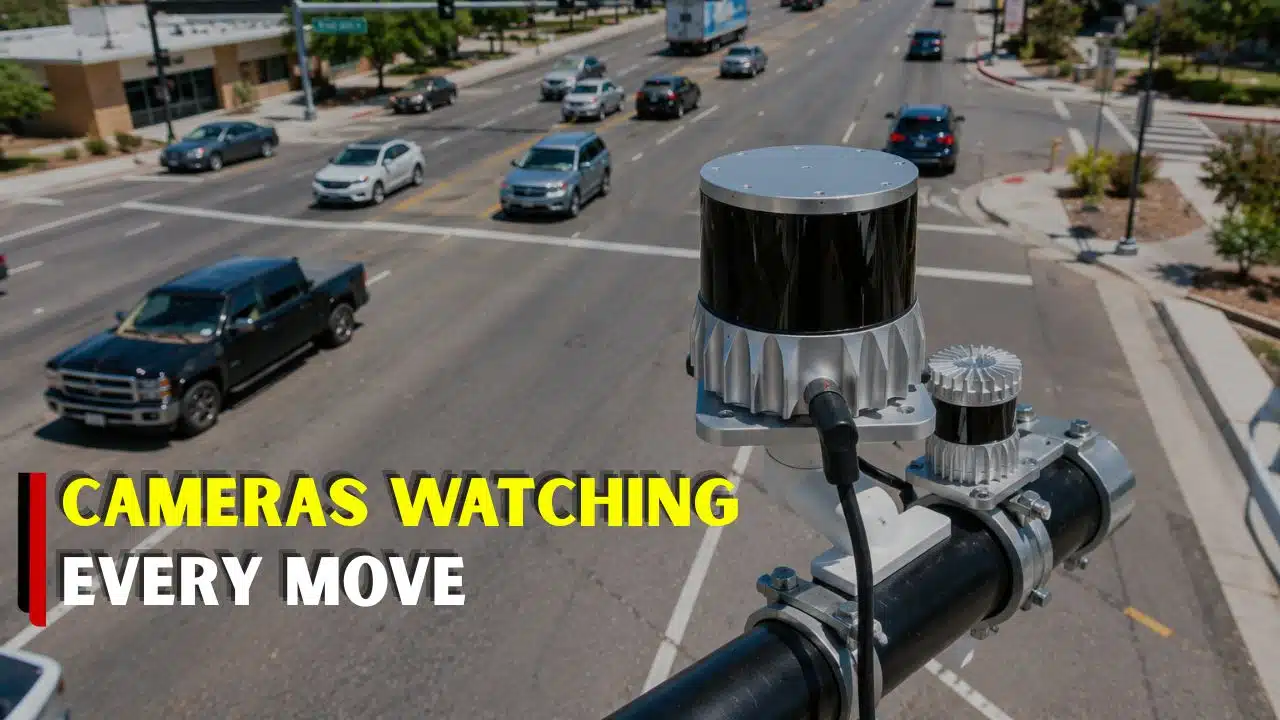
As local governments and law enforcement organisations increase their use in the technology, traffic enforcement cameras are becoming more widespread throughout Connecticut. These days, metropolitan cities roadways, construction zones, and even some shopping center parking have lots of cameras that track speeding, red-light Violations, and license plates. According to officials, the systems complement law enforcement efforts and to increase traffic safety.
One of the cities initiate the growth in Middletown. Red-light cameras on Washington Street and an additional speed camera on South Main Street are being considered by local authorities. Some locals and privacy groups are nonetheless concerned about how the data is gathered and used when more cities will implement such equipment. Technology programmes frequently expand rapidly once they are perceived as successful, according to experts.
Where Connecticut’s Speed Cameras Are Installed
On several of the main routes in Middletown, speed cameras are already visible to drivers. One of the primary camera locations is on Washington Street, which is close to the city limits and has a 35 mph speed limit. Before a speeding penalty is issued, drivers in Connecticut are granted a 10-mph buffer.
Repeat offenders face strict punishments. A $50 fine is imposed for the first speeding infraction captured by a camera, and a $75 fine is imposed for subsequent infractions. Additionally, when a new speed camera is deployed, state regulations mandate that officials give a month’s notice before issuing citations.

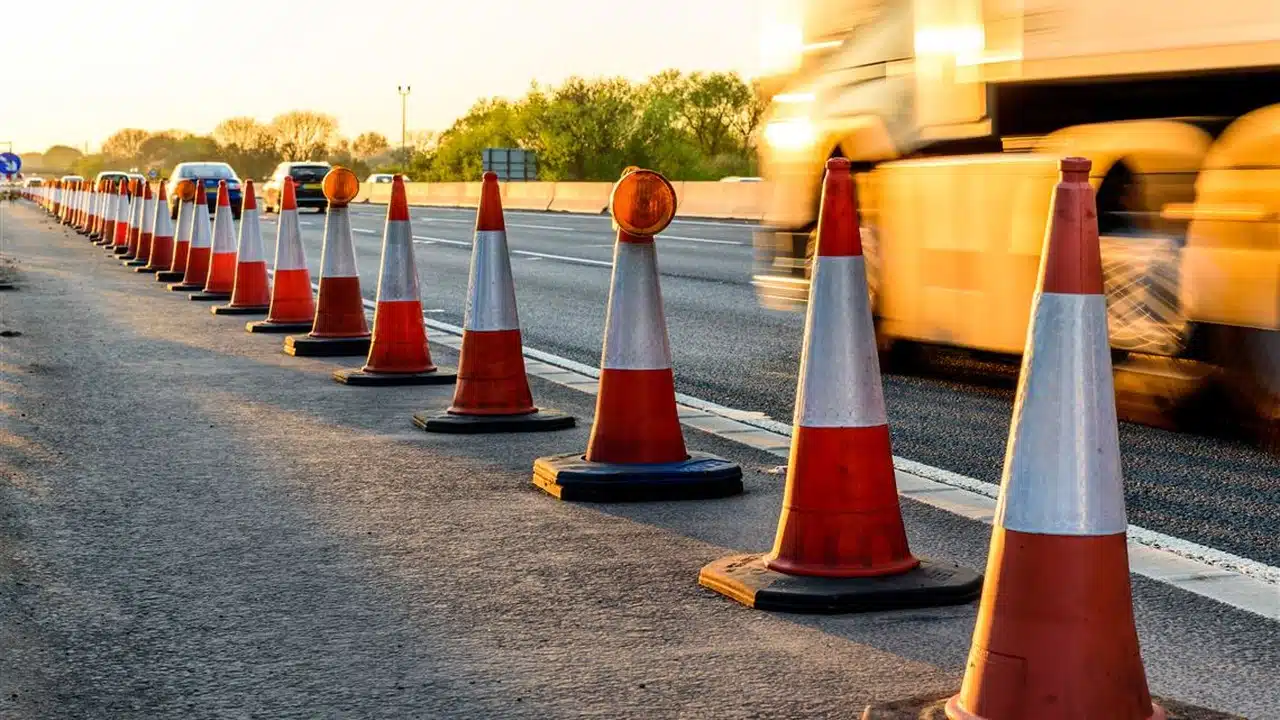
Meanwhile, speed cameras are being used outside of city streets in Connecticut. Following a pilot programme, the state’s highway work zone speed camera programme formally launched on June 1. During the first month, drivers will receive warnings; tickets will begin on July 6. Driving over 85 mph in a construction zone is punishable by a $75 ticket, even for first-time offenders. Most first-time offenders will receive a warning.

How Automatic License Plate Readers are Being Used by Police?
As police agencies deploy technology more frequently, automatic license plate readers, or ALPRs, are becoming more prevalent throughout Connecticut. The technologies can assist police in gathering information during investigations by swiftly scanning license plates.
According to law enforcement, ALPRs are helpful in situations involving missing people, retail theft, and stolen cars. Advocates contend that technology enables police to respond more effectively and solve crimes more quickly.
Concerns over the storage, access, and sharing of the gathered data are still voiced by privacy groups, though. To guarantee that the technology is not abused, some organisations are advocating for increased openness and improved security measures.
Why Retailers Are Using License Plate Readers
In the private sector, license plate readers are rapidly being used. Technology is used in parking lots by retailers like Home Depot and Lowe’s to assist hinder theft. The businesses claim the information is kept confidential and is only given to law enforcement when a crime has been committed, despite lawmakers’ requests for more information about these practices. Experts point out that compared to many states with comparable systems, Connecticut has more stringent supervision regulations.