

New York is making its biggest changes to environmental review rules in decades in an effort to build housing faster, cut costs and reduce delays that state leaders say have worsened the housing crisis.
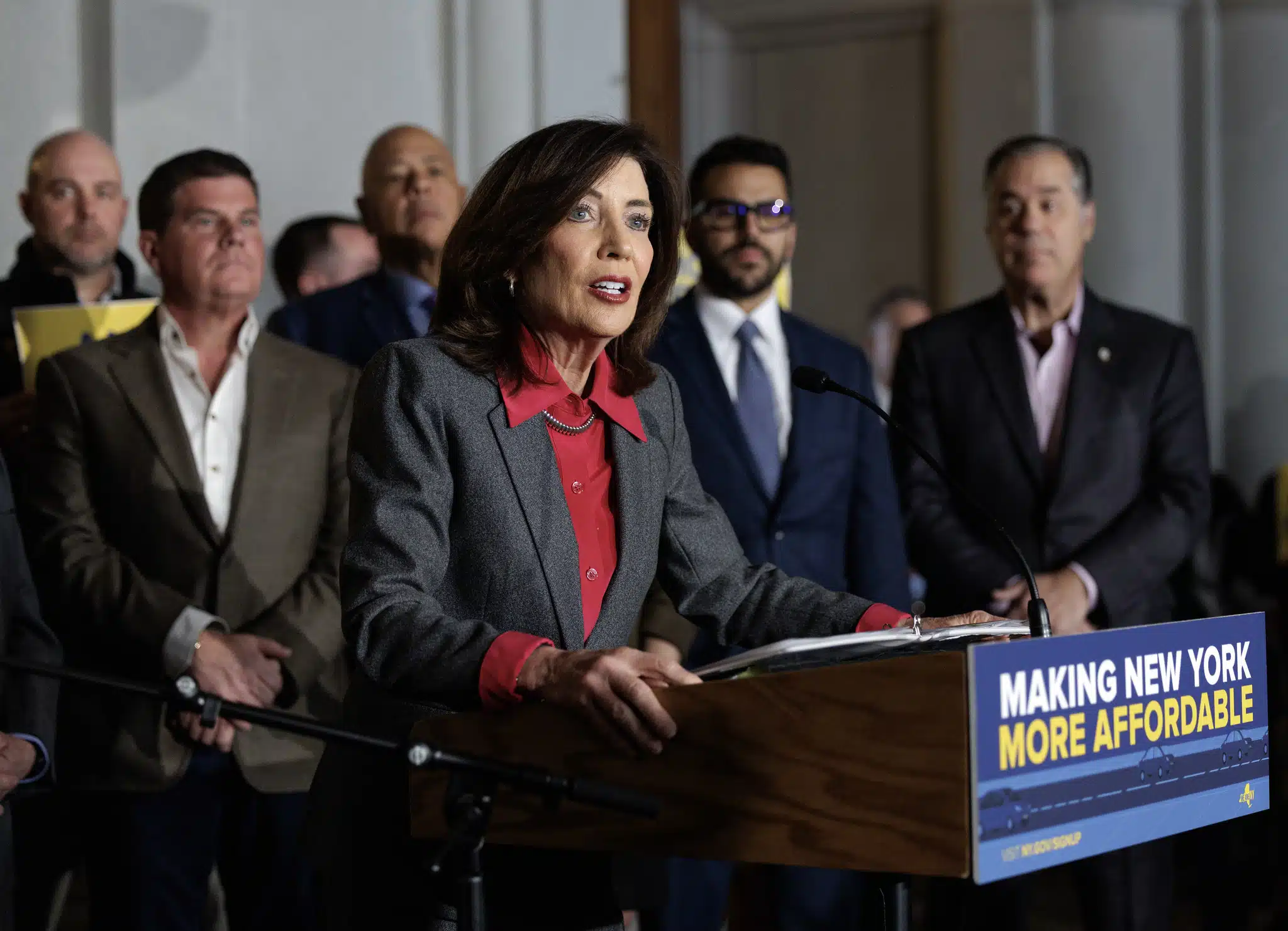
Gov. Kathy Hochul signed legislation Wednesday that overhauls parts of the State Environmental Quality Review Act, known as SEQRA, with the goal of making it easier to build housing and critical infrastructure projects across the state.

In simple terms, the new law is designed to stop smaller and mid-sized housing projects from getting stuck for years in lengthy environmental review processes that state officials argue often duplicate reviews already happening at the local level.
The state says housing projects in New York can take up to 56% longer to reach construction compared to similar projects in other states. Hochul’s administration says those delays add major costs that are eventually passed on to renters and homebuyers.
Under the changes, many housing projects that meet specific criteria will no longer have to go through the full SEQRA process.
That includes projects built on land that has already been developed and that already has access to water and sewer systems.
In New York City, projects with up to 250 housing units — or as many as 500 units in denser neighborhoods — can qualify for streamlined review. Outside the city, projects with up to 300 units in urbanized areas and up to 100 units in non-urbanized areas may qualify.
The practical effect could be significant for communities struggling with housing shortages.
A developer proposing a 100-unit apartment project in a place like Rochester, Syracuse or parts of the Finger Lakes may now avoid years of studies, hearings and legal delays if the project is being built on an already-developed site and meets local zoning requirements.
State officials estimate the changes could shave as much as two years off some housing construction timelines.
That matters because time is expensive in construction.
Interest payments, labor costs, engineering fees and material prices continue climbing while projects sit waiting for approvals. The state says environmental review delays can add roughly $82,000 per apartment unit in New York City alone — or about $8 million for a 100-unit development.
Supporters argue those added costs often kill projects entirely or force developers to build fewer affordable units.
The legislation also creates a new two-year deadline for completing environmental impact statements, a move intended to reduce uncertainty for municipalities, developers and state agencies.
The reforms are not a complete exemption from environmental oversight.
Projects still must comply with local zoning rules, permitting requirements and environmental protections. The law specifically applies to projects that state officials say consistently show little or no significant environmental impact.
Beyond housing, the legislation also streamlines reviews for infrastructure projects including water systems, stormwater improvements, public parks, trails and New York City school construction.
Hochul framed the changes as an attempt to reverse decades of slow growth and rising costs tied to bureaucratic delays.
“Red tape and duplicative reviews have stopped New York from doing the very building that made us the envy of the world,” Hochul said in announcing the legislation.
The administration argues the reforms will ultimately help increase housing supply statewide — something economists and housing advocates broadly agree is necessary to slow rising rents and home prices.
The issue has become increasingly urgent in upstate communities as well, where low housing inventory and rising construction costs have made it difficult to build enough homes to meet demand.

FingerLakes1.com is the region’s leading all-digital news publication. The company was founded in 1998 and has been keeping residents informed for more than two decades. Have a lead? Send it to news@fingerlakes1.com.