


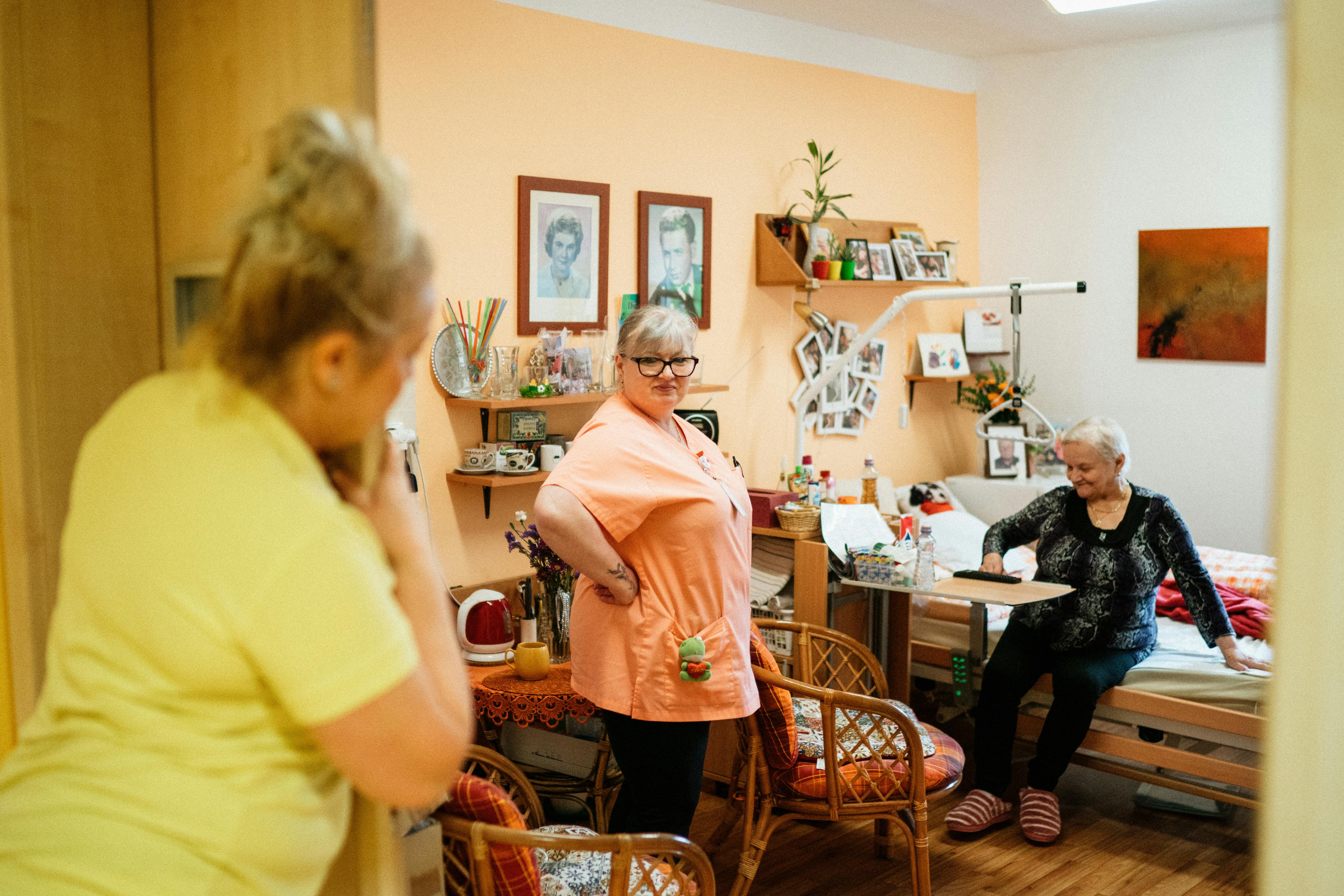
Watching your parents age brings up many questions about their future comfort. You want them to stay safe and happy in their later years. Deciding between staying at home and moving to a facility is a major life step.
This choice involves looking at health needs, money, and emotional well-being for the whole family. You have to think about how these changes affect your own schedule and your parents’ sense of freedom.
Understanding Your Options
Every senior has different needs and levels of mobility. Some people only need help with light chores or getting to the grocery store. Others require medical attention around the clock from trained nurses. Knowing the difference between home help and residential facilities helps you narrow down the best path.
You should consider whether their current environment supports their physical health or if it creates more risks. Thinking about the daily routine of your parents is a good starting point. If they struggle with stairs or bathing, home modifications or a facility might be necessary.
It helps to sit down as a family to discuss what everyone feels comfortable with long-term. Listen to their concerns to make a decision that respects their wishes.
The Financial Reality of Senior Care
Money plays a huge role in deciding where your parents will live. A business analysis report mentioned that median annual costs for assisted living reached $54,000 in 2024. This price can change based on the level of service and the location of the building. You might find that prices in the Finger Lakes region differ from those in larger cities.
Care prices are not staying the same for very long. A recent survey of care costs found that homemaker services increased by 10 percent, which is faster than the rate of inflation. You should look at your budget for the next 5 to 10 years. Planning early helps prevent financial stress if needs suddenly increase. Talk to a financial advisor to see how long savings or insurance will last.
Costs to consider:
- Monthly rent or mortgage payments.
- Utility bills and property taxes.
- Grocery and meal preparation expenses.
- Insurance premiums and medical co-pays.
- Travel costs for family members visiting.
- Emergency medical alert system fees.
Safety and Home Accessibility
Many seniors want to stay in the house where they raised their kids. A survey of older adults revealed that 43 percent feel their current houses are not ready for aging in place. This often means spending money on ramps, grab bars, or wider doorways. You should walk through the house to look for loose rugs or poor lighting that could cause a fall.
Deciding on the right level of help takes some research and time. Many families find that companion care services offer a great way to handle daily tasks and social needs. These programs help with things like meal prep or simply having someone to talk to during the day.
Safety is not just about physical hazards in the hallway. It involves having someone nearby to help if a fall happens. Home care provides one-on-one attention that a busy facility might not be able to match every minute. You can rest easier knowing someone is checking on them regularly.
Comparing Levels of Support
Facilities offer a structured environment with staff available at all hours. Information from a federal benefits site estimates the average yearly price for a semi-private nursing home room at $112,420. This high cost covers lodging, food, and medical supervision in one package. It is a good choice for those with complex medical conditions that need professional monitoring.
Home care offers more flexibility for families who want to keep their loved ones close. One caregiving guide suggests that full-time home help usually costs about 70 percent of what a nursing home room would run. This makes it a popular choice for those who do not need clinical medical care. You can tailor the hours to fit your family’s needs and budget.
Benefits of home care:
- Familiar surroundings and personal belongings.
- Personalized schedules and meal choices.
- Direct communication with the caregiver.
- Maintaining connections with neighbors.
- Keeping pets in the home for comfort.
- Greater control over who enters the living space.
Emotional Well-being and Social Connection
Loneliness is a serious health risk for seniors who live by themselves. Research into community living found that 40 percent of adults over 45 report feeling lonely. A facility provides built-in social groups and planned activities for everyone. This can lead to new friendships and a renewed sense of purpose for many people.
Staying at home does not have to mean being isolated from others. Market projections indicate that social support services for seniors are expected to grow by nearly 10 percent each year. This growth means more options for seniors to stay engaged with their local community. You can look for local groups or volunteer programs to keep them busy.
Maintaining a social life helps keep the mind sharp and spirits high. Whether it is a bingo night at a center or a walk with a friend, connection matters. Choose the option that provides the most opportunities for your parents to interact with people.
Planning for Future Changes
Health needs can change quickly as people get older. Statistics from a major advocacy group show that long-term care costs jumped by almost 50 percent between 2019 and 2024. It is smart to have a backup plan in case your first choice no longer works. You should review your plans every year to see if they still make sense.
Talk to doctors about the expected progression of any current health issues. If a memory condition is present, a specialized memory care unit might eventually be needed. Starting with home care can buy you time to research the right long-term facility. Make sure you have all the necessary legal paperwork, like a power of attorney, ready.
Keep all family members in the loop as you make these decisions. Clear communication reduces conflict and helps everyone support the senior’s best interests. Regular check-ins with your parents about their comfort level are also helpful.
The best choice depends on your specific family situation and your parents’ wishes. Take the time to visit facilities and interview home care agencies. Trust your gut as you weigh the pros and cons of each path.

This content is brought to you by the FingerLakes1.com Team. Support our mission by visiting www.patreon.com/fl1 or learn how you send us your local content here.