

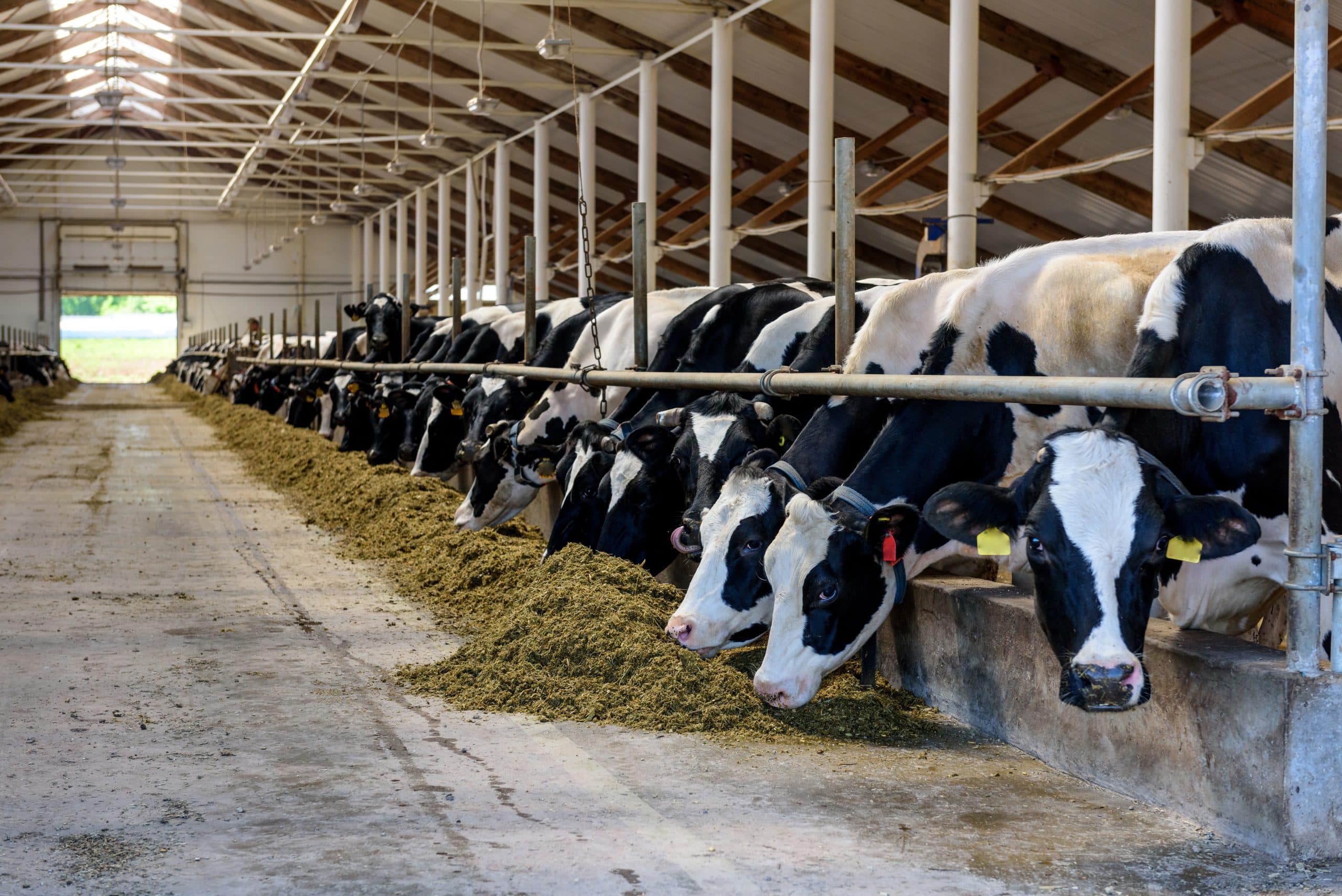
New York is investing more than $25 million into farms across the state as officials push to reduce emissions and help agriculture adapt to increasingly volatile weather.
Gov. Kathy Hochul announced Wednesday that 133 farms in 23 counties will receive funding through the state’s Climate Resilient Farming Grant Program, supporting projects aimed at improving sustainability, soil health, and long-term resilience.

The Finger Lakes region received the largest share of funding, with more than $11.3 million awarded to support 57 farms. Central New York will receive about $6 million, while the Southern Tier is set to receive $3.7 million for 33 farms.
State officials say the projects funded in this round are expected to reduce greenhouse gas emissions by more than 67,000 metric tons annually — roughly equivalent to removing nearly 16,000 gas-powered vehicles from the road for a year.
The program has now awarded a total of $94 million to 700 farms statewide, with an estimated reduction of 642,000 metric tons of carbon dioxide equivalent emissions each year. Nearly half of that funding has gone toward methane reduction systems, which account for the vast majority of projected emissions cuts.
Projects supported by the funding include expanded use of cover crops, improved manure and methane management systems, soil health initiatives, and water quality protections. Officials say about half of the projects involve farms participating in the program for the first time, signaling growing interest in climate-focused agricultural practices.
The funding is distributed through county Soil and Water Conservation Districts and aligns with the state’s broader climate strategy, which includes investments in reducing emissions across multiple sectors, including agriculture.
State leaders say the program remains oversubscribed, indicating continued demand from farmers looking to offset costs associated with climate adaptation and environmental improvements.

FingerLakes1.com is the region’s leading all-digital news publication. The company was founded in 1998 and has been keeping residents informed for more than two decades. Have a lead? Send it to news@fingerlakes1.com.