

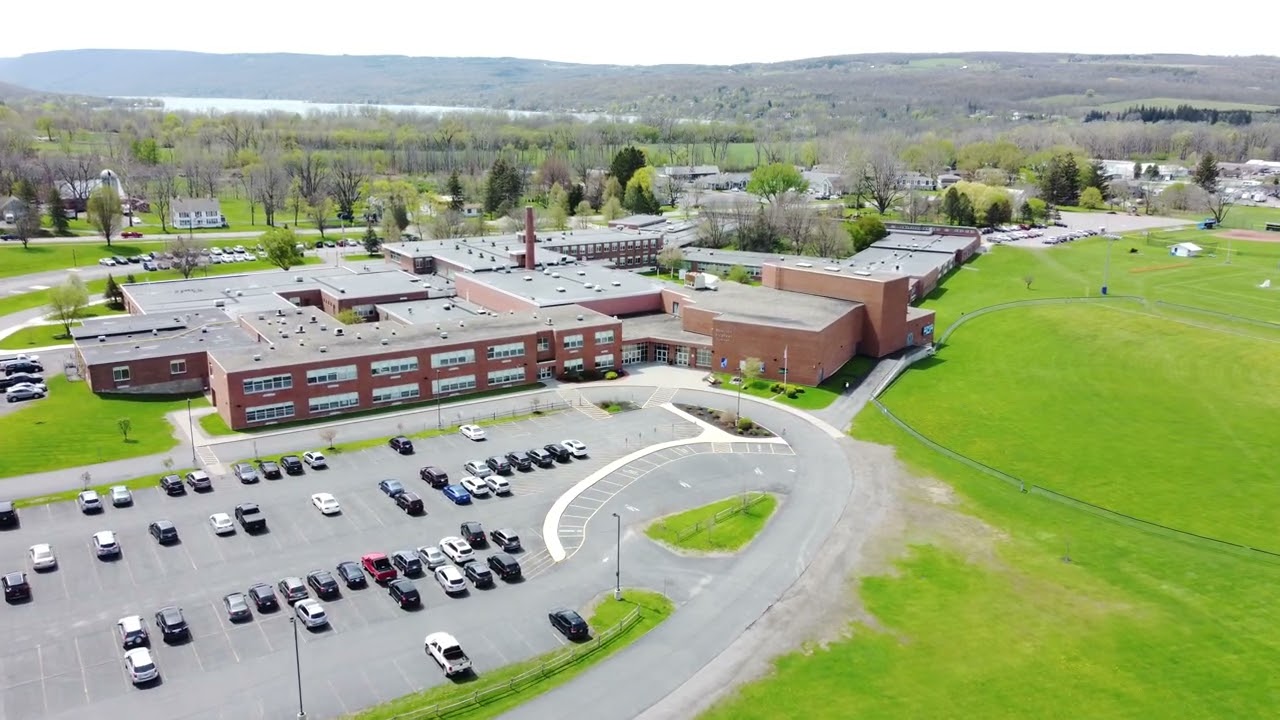
The Honeoye Central School District accumulated more money than reasonably needed in several reserves and maintained about $1 million in a debt service fund without legal authority to keep it there, according to a new state audit that found weaknesses in the district’s budgeting, reserve management and long-term financial planning.
The New York State Comptroller’s Office found the district generally kept its reported surplus fund balance within the state’s 4% statutory limit, but did so in part by transferring surplus money into reserves at or after the end of fiscal years. Auditors said those practices reduced transparency and may have caused the district to miss opportunities to lower property taxes or use the money for other district needs.

As of June 30, 2025, the district had about $9.3 million spread across nine general fund reserves, in addition to money held in its debt service fund. Auditors concluded two general fund reserves totaling $977,890 weren’t reasonably funded and said roughly $1 million held for debt service should instead be returned to the general fund.
The audit examined the district’s financial management from July 1, 2022, through May 7, 2026. Honeoye’s 2025-26 general fund budget included about $20.6 million in appropriations.
Auditors question $1 million held for debt service
The largest issue involved the district’s debt reserve.
As of June 30, 2025, the district had about $1.13 million in its debt service fund. State auditors determined approximately $128,000 was properly reserved for debt obligations, but said the remaining $1 million was being held without an outstanding debt obligation connected to the money.
Because no other related debt remained, auditors concluded there was no statutory requirement or authority for the district to continue holding that money in the debt service fund.
The Comptroller’s Office recommended transferring the $1 million into the general fund as surplus fund balance.
Auditors said that amount would have represented roughly another 5% of the district’s 2025-26 appropriations. Had the money been reported as general fund surplus, the district’s total surplus fund balance would have exceeded the 4% limit imposed by state law.
Three Board of Education members interviewed by auditors said they were unaware of the excess money in the debt service reserve.
Unemployment reserve could cover 166 years of recent spending
Auditors also questioned the size of the district’s unemployment insurance reserve.
The district had reduced that reserve from more than $1 million to $302,555 by June 30, 2025. Even after the reduction, auditors concluded the balance remained unreasonable.
The district’s reserve plan allowed for the amount, but auditors said the plan didn’t explain why that level of funding was necessary. Based on the district’s average unemployment insurance spending over the previous three years, the $302,555 balance could cover approximately 166 years of expenditures at that rate.
A separate employee benefit accrued liability reserve also exceeded the district’s identified obligations.
That reserve stood at $907,418 as of June 30, 2024, while the district’s reserve plan listed compensated absence liabilities of $608,927 — a difference of $298,491.
The Board of Education approved moving $275,000 from the reserve into the capital reserve in June 2025, reducing the balance to $675,335. Auditors said that transfer wasn’t an allowable use of money from the employee benefit accrued liability reserve.
The Comptroller’s Office said the district’s other reserves were either reasonably funded or within authorized amounts, where applicable, and were generally used for proper purposes.
District used year-end surpluses to fund reserves
The audit found the district routinely allocated surplus money to reserves rather than explicitly budgeting those reserve contributions in advance.
Auditors said reserve funding can be a prudent way for school districts to prepare for future expenses. But they recommended including planned reserve contributions directly in the annual budget, making those decisions more transparent and allowing taxpayers to see how money will be set aside when voting on the spending plan.
District leaders told auditors they budget conservatively in part because of the possibility of unexpected special education placements. When those expenses don’t materialize, officials said surplus money can be placed into reserves.
The Comptroller’s Office said the district instead should prepare realistic budgets and explicitly budget for planned reserve funding.
From the 2022-23 through 2024-25 fiscal years, the district increased its property tax levy by a combined $788,263, or 8%, according to the audit.
Auditors said excessive reserve balances may have caused officials to miss opportunities to reduce the tax burden or make the accumulated money available for other district needs.
For 2025-26, the district again estimated revenues and expenditures similarly to prior years and increased property taxes by another $586,634, or 6%.
Board lacked complete reserve information
The audit also found that annual reserve reports provided to the school board didn’t contain all the information required under district policy.
The district’s policy calls for an annual report detailing each reserve, including balances, activity and an analysis of projected needs for the coming year.
Auditors found the reserve plans for 2022-23 through 2024-25 were incomplete. Among the missing information were reserve balances, activity and analyses explaining projected future needs.
Three board members told auditors they were unaware the reports didn’t comply with district policy.
Without complete reports, auditors said the board lacked information needed to determine whether reserve balances remained necessary and reasonable or to clearly explain those decisions to taxpayers.
Long-term financial plans also drew criticism
The Comptroller’s Office found shortcomings in the district’s long-term financial and capital planning.
District officials worked with a consultant to develop multiyear financial plans, but auditors said those plans projected operating deficits and the use of fund balance without identifying specific solutions for addressing the projected financial problems.
The plans also weren’t reviewed by the entire Board of Education.
Auditors found similar deficiencies in a 2021 capital plan. While it included total estimated expenditures for potential capital projects, it lacked other financial information and didn’t address capital needs outside of buildings.
Board members and the superintendent didn’t provide auditors with a specific explanation for why adequate multiyear financial and capital plans hadn’t been prepared or reviewed. They noted, however, that some district administrators were relatively new and that officials were working on improvements.
The district’s current superintendent began in July 2024, while the current business administrator began in April 2025.
Comptroller issues eight recommendations
The audit includes eight recommendations addressing budgeting, reserves and long-term planning.
Among them, auditors said the district should develop realistic annual budgets with reasonable revenue and spending estimates and clearly planned reserve contributions.
Officials should ensure reserves are legally established and properly documented, review reserve balances regularly and move excess money when permitted by law.
The Comptroller’s Office specifically recommended transferring improperly retained debt service funds into the general fund as surplus.
Auditors also called for comprehensive multiyear financial and capital plans, specific board authorization of reserve funding before the end of each fiscal year and annual reserve reports containing all information required by district policy.
Honeoye agrees with findings, plans changes
The district said it agrees with the audit’s recommendations.
In a written response, Superintendent Natalie Pfluke said the district recognizes the need to ensure fund balances and reserves are reasonable, properly documented, transparently reported and tied to identified future needs.
The district said it plans to develop annual budgets that clearly identify expected revenues, expenditures and reserve funding; review reserve balances and supporting records annually; address the excess debt service money in accordance with state law; and provide the board with complete annual reserve reports.
Officials also said future reserve contributions will be specifically authorized by the board and supported by documented financial needs.
The district plans to develop and regularly update comprehensive multiyear financial and capital plans as well.
The Board of Education must submit a written corrective action plan addressing the audit within 90 days. State requirements also call for implementation of the plan to begin, to the extent practicable, by the end of the next fiscal year, and the corrective action plan should be posted on the district’s website for public review.

FingerLakes1.com is the region’s leading all-digital news publication. The company was founded in 1998 and has been keeping residents informed for more than two decades. Have a lead? Send it to news@fingerlakes1.com.