


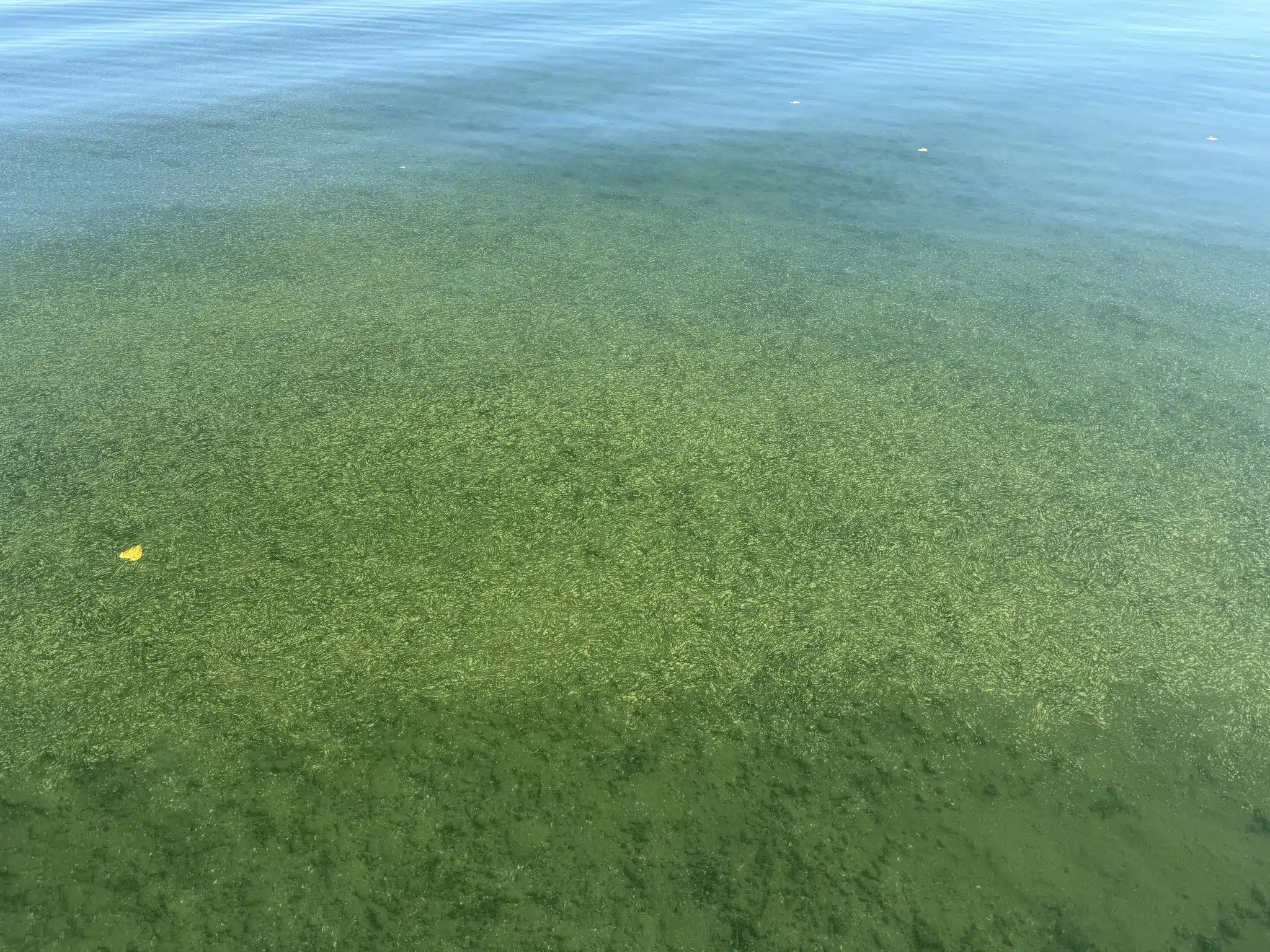
Harmful algal bloom reports are climbing across the Finger Lakes and Central New York as hot, humid weather and warm lake conditions push the region deeper into peak HAB season.
The latest current HAB report data shows 35 confirmed bloom observations across seven waterbodies between June 22 and July 2, with Cayuga Lake accounting for nearly half of the reports.

The reports cover parts of Cayuga, Seneca, Tompkins, Ontario, Livingston, Schuyler, Onondaga and Cortland counties. Most were listed as small localized blooms, but several were categorized as large localized or widespread.
That distinction matters. A confirmed HAB report does not always mean an entire lake is unsafe. Many blooms remain confined to shorelines, coves, marinas or specific sections of a lake. But the number of reports shows conditions are favorable for bloom development across multiple watersheds.
Cayuga Lake leads latest reports
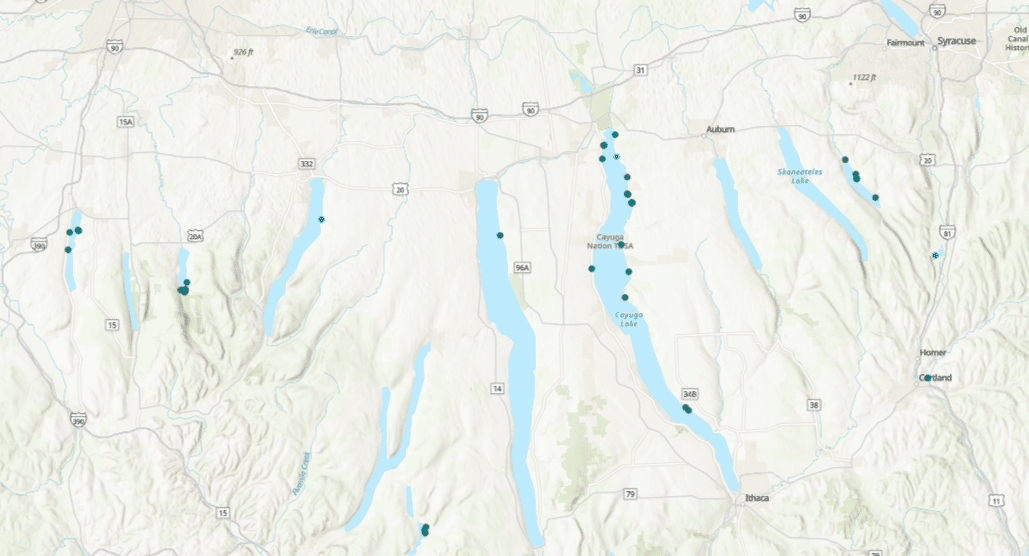
Cayuga Lake had the highest number of confirmed HAB reports in the latest data, with 16 observations across Cayuga, Seneca and Tompkins counties.
Reports began June 22 in Cayuga County and continued through July 1, when two early-morning observations were reported by the Community Science Institute. Most Cayuga Lake reports were listed as small localized blooms, though at least two were categorized as large localized.
One report from Cayuga County on June 29 was listed as widespread or lakewide, making it one of the more significant entries in the latest batch.
Cayuga Lake’s reports came from a mix of sources, including the public and Community Science Institute. That reflects the lake’s long-running volunteer monitoring network, which has become one of the more active HAB tracking systems in the region.
Seneca County also had multiple Cayuga Lake reports, including observations from the public, Community Science Institute and New York State Parks. Tompkins County had one confirmed Cayuga Lake report on June 29.
For residents and visitors, the takeaway is simple: conditions can change quickly along Cayuga Lake, and bloom activity may vary sharply from one shoreline to another.
Honeoye, Conesus and Lamoka see notable activity
Ontario County’s Honeoye Lake also showed a cluster of confirmed HAB reports, with five observations between June 29 and July 2.
Four of the Honeoye Lake reports came June 29 and were submitted by the Honeoye Lake Watershed Task Force. Three were listed as large localized blooms. A fifth report, submitted by the public July 2, was listed as small localized.
Honeoye Lake often draws close attention during HAB season because of its shallow depth and history of bloom activity. The latest reports suggest residents and visitors should continue checking conditions before swimming, letting pets near the water, or using areas where surface scums appear.
Conesus Lake in Livingston County had four confirmed reports between June 23 and June 29. The latest Conesus entry, reported June 29 by the state Department of Health, was listed as widespread or lakewide. Earlier reports included small localized and large localized observations.
Lamoka Lake in Schuyler County had three confirmed reports over June 27 and June 28. One report was listed as widespread or lakewide, another as large localized, and another as small localized.
Those reports show how quickly bloom conditions can shift within a short window, especially on smaller lakes where wind, shoreline shape and water temperature can influence where algae collects.
Otisco, Seneca and Cortland County reports
Otisco Lake in Onondaga County had five confirmed reports between June 27 and June 29.
The Otisco Lake reports included two large localized blooms and three small localized blooms. Several were submitted by the Otisco Lake Preservation Association, while others came from the public.
Seneca Lake had one confirmed report in Ontario County on June 27. That report was listed as a small localized bloom.
The latest data also included one confirmed report on an unnamed lake in Cortland County. That June 30 observation was reported by the state Department of Health and listed as small localized.
Overall, 22 of the 35 confirmed reports were small localized blooms. Ten were large localized. Three were listed as widespread or lakewide.
All 35 reports in the current data were confirmed.
What residents should watch for
HABs can look like spilled paint, pea soup, streaks, mats, floating scum, or discolored water along the surface. They may appear green, blue-green, white, brown or reddish, depending on conditions.
People should avoid contact with suspicious blooms and keep pets out of affected water. Dogs are especially vulnerable because they may drink lake water or lick algae from their fur after swimming.
Boaters should also use caution. Even when open water appears clear, blooms can collect near shorelines, docks and launch areas. Wind can move bloom material from one side of a lake to another within hours.
The latest reports do not mean every beach, shoreline or lake access point is affected. But they do show that HAB season is active across the region, especially after stretches of hot summer weather.
Anyone heading to the Finger Lakes or Central New York lakes this week should check local conditions before going in the water, avoid discolored or scummy areas, and report suspected blooms when they appear.
The pattern is clear: HAB activity is no longer isolated to one lake or one county. It is showing up across the region, and the busiest weeks of summer are just getting started.

FingerLakes1.com is the region’s leading all-digital news publication. The company was founded in 1998 and has been keeping residents informed for more than two decades. Have a lead? Send it to news@fingerlakes1.com.