

Today, manufacturers want less waste of material, cleaner cutting results, and faster production. You can achieve these objectives with a modern CO2 laser cutting machine and at the same time maintain uniform quality across various non-metal materials.
Whether you work with wood, acrylic, fabrics, or composite materials, the right laser system can increase production and reduce manual labor. This guide will explain how to operate CO2 laser technology, its applications, and what to consider when buying a machine.
Why Is a CO2 Laser Cutting Machine the Best Choice for Non-Metal Materials?
A CO2 laser machine is best for non-metals because these materials perfectly absorb its specific light wavelength. This high absorption allows the laser to melt, vaporize, or seal surfaces with extreme precision and speed. Because the beam never physically touches the material, it creates flawless, polished edges on wood, acrylic, and fabric without warping or wearing down any blades.
Growing Demand for High-Precision Non-Metal Cutting
These days, a lot of businesses require precision cutting with tight tolerances. Traditional tools result in material waste, tool wear, and rough edges.
A high-precision laser cutting machine helps you:
- Create complex designs
- Keep the quality consistent
- Minimize the amount of post-processing work
- Increase the production rate
- Decrease the amount of material lost
Key Advantages of CO2 Laser Cutting Technology
The advantages of a laser cutting machine are:
- No contact with the material during processing
- Clean, sharp cutting edges
- High-precision cutting
- Fast production cycles
- Less maintenance than mechanical tools
- Suitable for various non-metal materials
Which Industries Are Most Suitable for Using CO2 Laser Cutting Machines?
Common industries include:
- Sign making
- Furniture manufacturing
- Advertising goods
- Manufacturing of clothing and textiles
- Packaging
- Car interiors
- Crafts and decorative items
- Leather goods manufacturing
How Does a CO2 Laser Cutting Machine Work?
A CO2 laser cutting machine uses an electrical charge, a special gas mixture, and moving mirrors to slice through materials with incredible accuracy. It converts electrical energy into a highly focused beam of light that cuts or engraves the material along the programmed design path.
How CO2 Lasers Generate Energy for Cutting
A CO2 laser is powered by a sealed laser tube containing a gas mixture. A laser beam is produced when the gas is excited with electrical energy. The beam is directed through a series of mirrors and then focused through a lens onto the surface of the material. The intense heat cuts, carves, or marks the material accurately.
Main Components of a CO2 Laser Cutting Machine
A CO2 laser cutting machine includes:
- CO2 laser tube
- Laser-head
- Focusing lens
- Motion control system
- Worktable
- Cooling system
- Exhaust & filtration systems
- Control software
Laser Cutting vs Laser Engraving: What Is the Difference?
Though a number of machines are capable of performing both functions, here’s the difference between the two.
Laser cutting and laser engraving serve different purposes in material processing. Laser cutting cuts through the material completely, so it can be used to create finished parts, shapes, and components for manufacturing and production. It is used for acrylic elements, fabric patterns, packaging, pieces of furniture, and signage. This is full depth cutting.
On the other hand, laser engraving creates text, patterns, and logos, and artistic designs by removing the outer layer of the material. Because of its partial depth marking, it is mainly used for personalization, branding, and decoration. Artwork, serial numbers, logos, and other branding components are often used for product customization.
CO2 Laser Cutting Machine for Wood: How It Improves Production Efficiency
The integration of specialized laser optics is highly beneficial for industrial wood processing. A professional CO₂ laser cutter for wood can produce intricate details, flawless sharp edges, and custom geometric designs without any physical tool contact or blade wear.
Best Wood Types for CO2 Laser Cutting and Engraving
Suitable wood materials include:
- MDF
- Plywood
- Birch
- Bamboo
- Basswood
- Hardwood veneers
Common Applications of Laser Cutting and Engraving for Wood
Common applications include:
- Decorative wall art
- Wooden signs
- Furniture components
- Customized gifts
- Architectural models
- Packaging inserts
How to Reduce Burn Marks and Scorched Edges When Laser Cutting Wood
For improved edge quality:
- Use the right air assist
- Change the cutting speed
- Set the laser power optimally
- Keep your lenses clean
- Select quality wood materials
- Use masking tape when required
CO2 Laser Cutting Machine for Acrylic: Achieving Clean Cutting and Engraving Results
Acrylic is one of the most popular materials processed by laser systems. A CO2 laser cutting machine for acrylic produces clean edges that often require little or no polishing.
Why CO2 Laser Cutting Is the Best Choice for Acrylic
Its advantages include:
- Smooth flame-polished edges
- High precision of dimensions
- Fine engraving detail
- Little material waste
- Fast processing speed
What Is the Difference Between Cast Acrylic and Extruded Acrylic?
The main differences between cast and extruded acrylic with respect to laser processing are: engraving quality, cost, and intended use. Cast acrylic is the choice for luxury items, high-end signage, trophies, and decorative products. When engraved, cast acrylic forms a frosted layer, enhancing the overall quality of the engraving. But it usually costs a bit extra.
Extruded acrylic, on the other hand, is usually cheaper, less frosted-looking, and has a sharper etch. It is often used for general-purpose cutting applications where the quality of engraving is not the primary concern because of its more affordable price and reliable operation.
Application Cases in the Acrylic Industry
Common items include:
- Retail exhibits
- LED displays
- Nameplates
- Trophy awards
- Light boxes
- Decorative panels
CO2 Laser Cutting Machine for Fabric: How to Achieve Automated Cutting
A fabric laser cutting machine reduces human labor while providing speed and automation for textile industries.
Which Fabrics Are Suitable for Laser Cutting?
Suitable materials consist of:
- Polyester
- Nylon
- Cotton blends
- Felt
- Fleece
- Technical fabrics
- Sportswear fabrics
What Advantages Does Laser Cutting Have Compared with Traditional Cutting?
Laser cutting offers:
- No tool wear
- Decreased fabric distortion
- Sealed edges of synthetic fabric
- Increased cutting speed
- Increased pattern flexibility
- Reduced manual labor
How MimoWork Vision Laser Cutting System Improves Fabric Production Efficiency
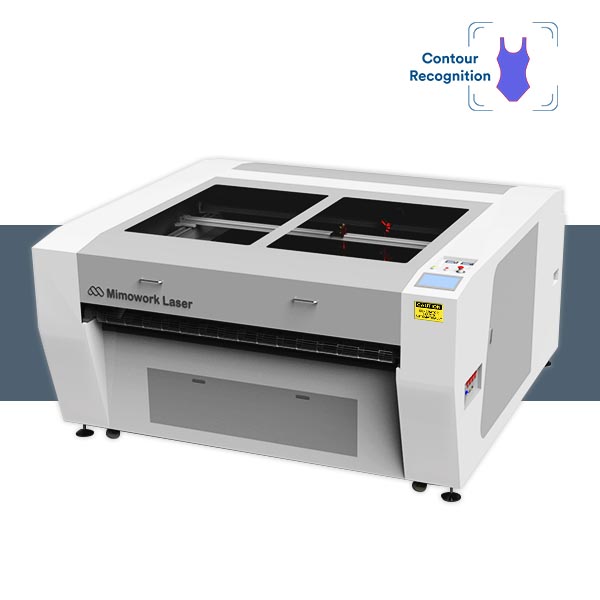
MimoWork’s Vision System automatically recognizes printed patterns and cutting pathways using camera recognition technology.
Advantages consist of:
- Accurate identification of contours
- Quicker workflow
- Decreased involvement of operators
- Improved use of materials
- Consistent production quality
How to Choose the Right CO2 Laser Cutting Machine for Your Business
To choose the right CO2 laser cutting machine for your business, you must match the machine’s power and size to the specific materials you plan to process.
Processing Materials
Choose a CO2 laser cutting machine based on the materials you process most frequently.
For example:
- Wooden products
- Acrylic sheets
- Textiles and fabrics
- Leather
- Cardboard and paper
Material Thickness
The thickness of the material should be matched by the laser power.
General guidelines:
- 60W-100W for thin materials
- 130W-180W for medium thickness
- 250W+ for heavier production needs
Production Scale
Think about the daily production volume.
- A tiny workshop
- Expanding enterprise
- Industrial manufacturing
For large-scale production, an industrial CO2 laser cutting machine is frequently the best choice.
Worktable Size
Pick a table size that fits the size of your material.
Common formats include:
- 600 x 900 mm
- 1300 x 900 mm
- 1300 x 2500 mm
- Custom large format systems
5 Key Factors to Consider Before Buying a CO2 Laser Cutting Machine
Here’s a list of five factors that you must consider before buying a CO2 laser cutting machine:
- Material compatibility
- Laser power
- Size of worktable
- Features of the software
- Technical support and assistance
CO2 Laser Cutting Machine vs CNC Engraving Machines: Which One Should You Choose?
Choosing between these two machines depends on your specific speed, material, and detail needs. Comparing their precision, cutting quality, and upkeep costs will help you find the perfect fit.
Processing Precision
Laser technologies usually provide more detail for small features and complex patterns.
Cutting Quality
A laser cutter for non-metal materials will usually give you smoother edges with less finishing work.
Maintenance Costs
Laser systems go a long way in removing the costs associated with CNC router tool replacement.
Applicable Materials
For CO2 Laser Machines
- Wood
- Acrylic
- Fabric
- Leather
- Paper
For CNC Machines
- Wood
- Plastic
- Foam
- Some soft metals
Frequently Asked Questions
Will Laser Cutting Burn the Edges of Wood?
Laser cutting can cause some slight discoloration or burn marks from the intense heat. The charring depends on the wood type, moisture content, and machine settings. Burn scars can be significantly minimized using the right air assist, correctly tuned cutting speed and power settings, clean optical components, and high-quality wood materials suitable for laser processing.
How Long Is the Service Life of a CO2 Laser Tube Generally?
The lifespan of a CO2 laser tube is influenced by the quality of the tube, the working environment, and the maintenance procedures. Typical glass CO2 laser tubes have a lifespan of 3000 to 12000 hours.
What Features Should You Check Before Buying a CO2 Laser Cutting Machine?
Look for a stable motion system, a dependable laser source, easy-to-use software, and safety features. Also consider the availability of technical assistance, automation possibilities, and cooling and exhaust systems.
Conclusion
The transition to a professional-grade laser system is a major milestone for any small-to-medium enterprise. By shifting away from traditional mechanical methods, you gain the ability to tackle complex, high-margin projects with consistent repeatability.
If you are looking to optimize your workshop, explore MimoWork’s advanced laser solutions designed for industrial consistency and precision.

This content is brought to you by the FingerLakes1.com Team. Support our mission by visiting www.patreon.com/fl1 or learn how you send us your local content here.