


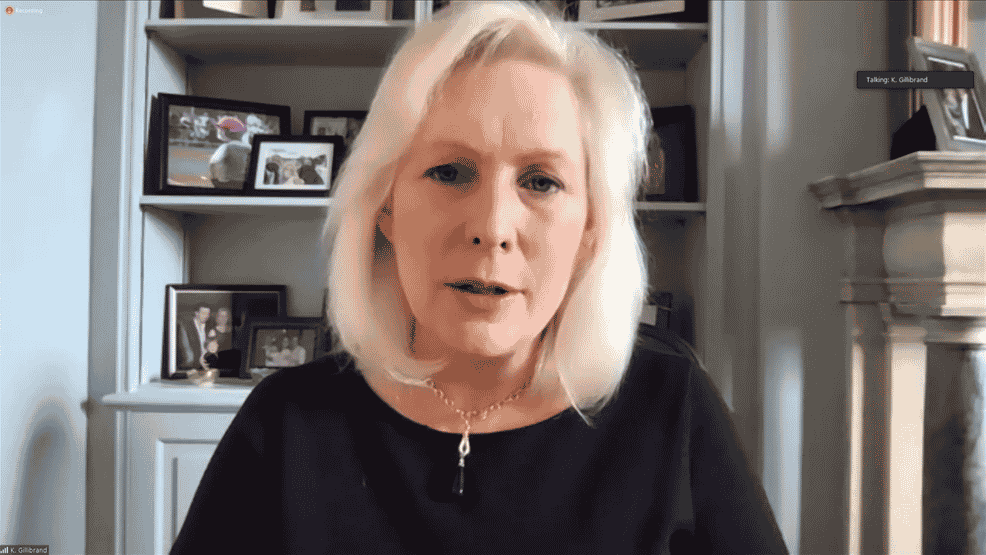
U.S. Sen. Kirsten Gillibrand and several Senate colleagues are pressing the Environmental Protection Agency to take broader action against microplastics pollution, warning that growing exposure could pose serious health risks to Americans.
In a letter sent to EPA Administrator Lee Zeldin, the senators urged the agency to develop a comprehensive strategy to reduce human exposure to microplastics and nanoplastics found in drinking water, food and the environment.
Gillibrand said the issue directly affects public health and environmental safety.
“We must address the high levels of exposure that Americans have to microplastics in our drinking water and food,” Gillibrand said in a statement announcing the effort. “The health and safety of our communities depend on access to safe and reliable waterways and food supplies.”
The senators’ request follows an EPA announcement earlier this year that the agency was beginning to evaluate whether microplastics should be added to its sixth Contaminant Candidate List under the Safe Drinking Water Act.
In the letter, lawmakers cited studies highlighted in the federal Make America Healthy Again Commission report showing concentrations of microplastics found in human brain tissue increased by 50% between 2016 and 2024. The senators also pointed to research linking chemicals used in plastics to endocrine disruption and other health concerns.
The lawmakers called on the EPA to use existing federal authority to address plastic pollution at multiple stages, including drinking water monitoring, wastewater treatment, industrial permitting and chemical regulation.
Among the actions requested were expanded monitoring requirements for public water systems, tighter oversight of petrochemical facilities, stronger Clean Water Act enforcement tied to plastic discharge and additional support for technologies that capture plastic waste before it enters waterways.
The senators also urged the EPA to establish national testing standards for detecting plastic-related contaminants in water systems and improve public transparency through mapping tools that track plastic production facilities and pollution risks.
Gillibrand has previously supported legislation aimed at reducing plastic pollution, including efforts targeting plastic microbeads in consumer products and the proposed Break Free From Plastic Pollution Act.
The senators requested a detailed response from the EPA by June 3 outlining what actions the agency plans to take regarding microplastics regulation and research.

FingerLakes1.com is the region’s leading all-digital news publication. The company was founded in 1998 and has been keeping residents informed for more than two decades. Have a lead? Send it to news@fingerlakes1.com.