

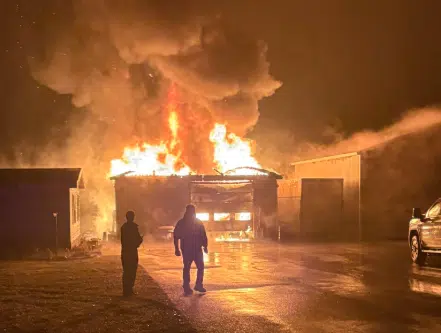
Volunteer fire departments across the Finger Lakes and Central New York are facing increasing pressure as staffing shortages, rising call volumes and structural changes reshape how emergency services are delivered.
Local examples — from active recruitment drives to department consolidations and outright dissolutions — reflect a broader trend that fire service leaders say has been building for years and is now becoming more visible at the community level.
Staffing shortages drive concern statewide
Fire service organizations across New York say volunteer firefighter membership has fallen to its lowest levels in more than four decades, raising concerns about the long-term sustainability of emergency response systems that rely heavily on unpaid personnel.
Officials warn the decline is not theoretical. Departments in multiple regions have already reported difficulty staffing trucks, covering shifts and responding to calls without relying on mutual aid from neighboring communities. In some cases, firehouses have closed entirely due to a lack of volunteers.
The issue carries broader implications because volunteer departments provide the majority of fire protection in rural and suburban areas across New York.
Local departments increase recruitment efforts

At the local level, departments are increasingly focused on recruitment as a primary strategy to maintain operations.
In Weedsport, fire officials have publicly called for new volunteers as structure fires increase both locally and in surrounding districts. The department is promoting opportunities for residents to join, emphasizing that training is provided and roles extend beyond frontline firefighting.
Similar outreach efforts are underway across the region, with departments highlighting flexible participation options and the opportunity to serve the community. Despite those efforts, leaders acknowledge that recruitment pipelines are not keeping pace with retirements and attrition.
Consolidations and dissolutions reshape coverage

As staffing challenges persist, some communities are restructuring how fire protection is delivered.
The Hemlock Fire Department is currently undergoing a transition in which operational responsibility has shifted to Livonia Fire as of January 2026. While Hemlock has not yet been formally dissolved, it is no longer operating independently and is expected to be absorbed into a consolidated service structure.
In Ontario County, the Fishers Fire District dissolved following months of debate centered on long-term financial and operational sustainability. Town officials say they ensured continuity of service, though questions remain about how the transition will affect response times, coverage, and actual cost to residents.
These changes reflect a broader shift toward regionalization and shared services, particularly in areas where maintaining independent departments has become increasingly difficult.
Leaders point to operational challenges
Fire service leaders say the impact of declining volunteer numbers is already evident in daily operations.
He also pointed to “scratched calls” — incidents where no responders are initially available — and increased reliance on crews traveling from neighboring districts, sometimes from significant distances, to meet minimum staffing requirements.
Denniston noted that while conditions vary by community, these challenges are becoming more common and reflect broader shifts in the volunteer workforce, including an aging membership base.
Policy discussions focus on recruitment and retention
In response to these challenges, fire service organizations and state lawmakers have advanced a range of proposals aimed at stabilizing volunteer ranks.
The Firefighters Association of the State of New York has outlined priorities that include increasing the state income tax credit for volunteer firefighters, expanding access to local property tax exemptions, and allowing nominal compensation for time spent on duty.
Additional proposals focus on improving injury benefits to align more closely with those provided to career firefighters, as well as expanding access to mental health support programs.
Supporters say these measures are designed to reduce barriers to participation and improve retention without fundamentally changing the volunteer structure.
A system at a crossroads
Fire service leaders say the challenges facing volunteer departments are complex and unlikely to be resolved through a single policy change or recruitment effort.
Experts point to broader societal shifts — including longer work hours, increased training requirements and changing demographics — as factors contributing to the decline in volunteer participation. At the same time, emergency response expectations have remained constant or increased.
Some leaders have suggested that future solutions may include greater regional coordination, revised service models and additional financial incentives, though approaches may vary widely by community.
While most departments across the Finger Lakes and Central New York continue to respond to calls and provide essential services, officials say the long-term stability of the system will depend on how communities adapt to ongoing changes in workforce availability and operational demands.

FingerLakes1.com is the region’s leading all-digital news publication. The company was founded in 1998 and has been keeping residents informed for more than two decades. Have a lead? Send it to news@fingerlakes1.com.