

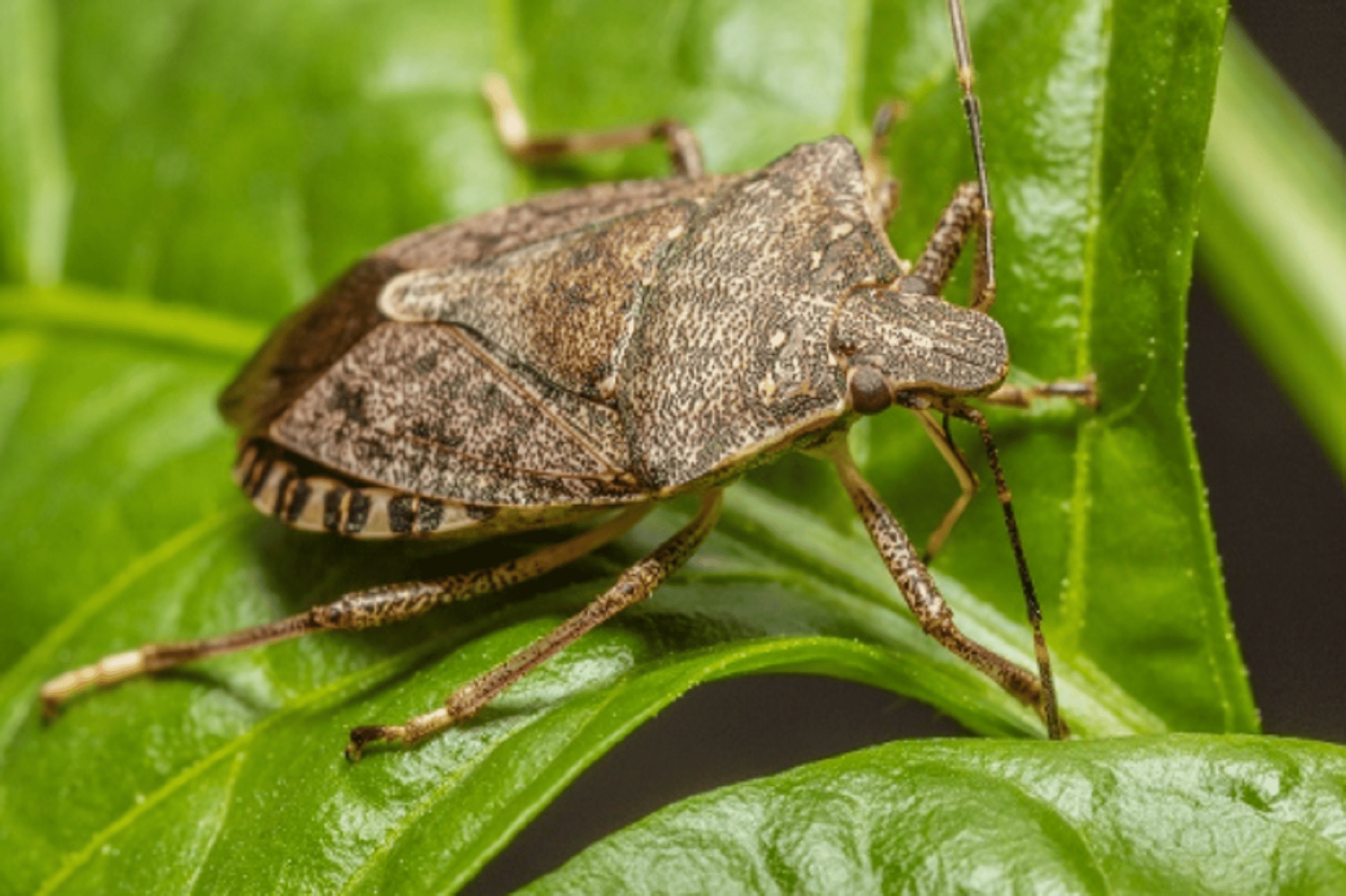
A new Cornell-led study estimates there may be 14 million to 20 million insect species worldwide, far more than the roughly 6 million species many experts have accepted for decades.
The study, published June 29 in the Proceedings of the National Academy of Sciences, used genetic data from 1.6 million tropical insects, a detailed census of parasitoid wasps in Costa Rica and statistical modeling to estimate the global number of insect species.

Scientists have described about 1.2 million insect species, meaning they have been named and characterized so others can identify them. Laura Melissa Guzman, an assistant professor in Cornell's Department of Entomology and the paper's corresponding author, said the larger estimate underscores how much biodiversity remains undocumented.
Researchers focused part of the study on the Area de Conservacion Guanacaste, a protected area in northwestern Costa Rica. Fifteen core Malaise traps captured more than 1.6 million insect specimens, all of which were DNA barcoded to help identify species.
The traps yielded close to 54,000 insect species. Across three sample sets, researchers identified 1,414 Microgastrinae wasp species, a diverse group of small parasitoid wasps that lay eggs inside caterpillars.
The team used the Costa Rica results to estimate a true insect species count of about 333,000 in the protected area, then compared local and global counts for trees, mammals, amphibians and saturnid moths to project a worldwide insect total.
The study comes amid concerns about global insect declines. Cornell said the findings could help shape future biodiversity research by showing that many species may be declining before scientists have discovered them.
The research was supported by Canada's New Frontiers in Research Fund, the Canada Foundation for Innovation's Major Science Infrastructure program, the Walder Foundation of Chicago, the University of Southern California and Cornell.

FingerLakes1.com is the region’s leading all-digital news publication. The company was founded in 1998 and has been keeping residents informed for more than two decades. Have a lead? Send it to news@fingerlakes1.com.