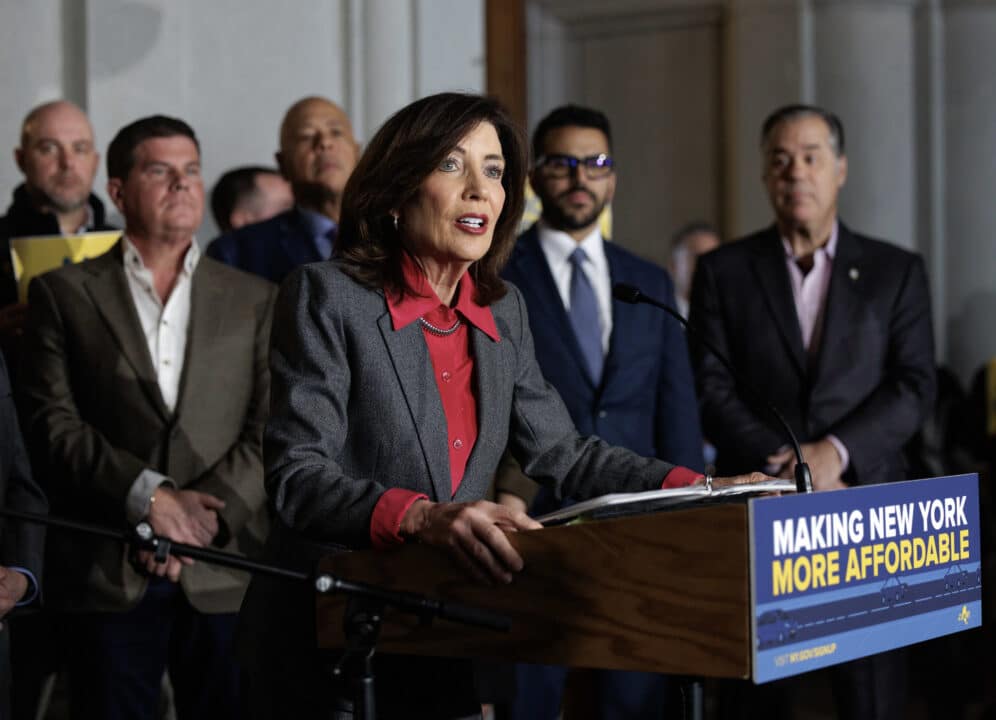
Gov. Kathy Hochul is making affordability the centerpiece of her latest state budget push, outlining a sweeping agenda she says will lower costs for New Yorkers — from housing and child care to energy bills and auto insurance.
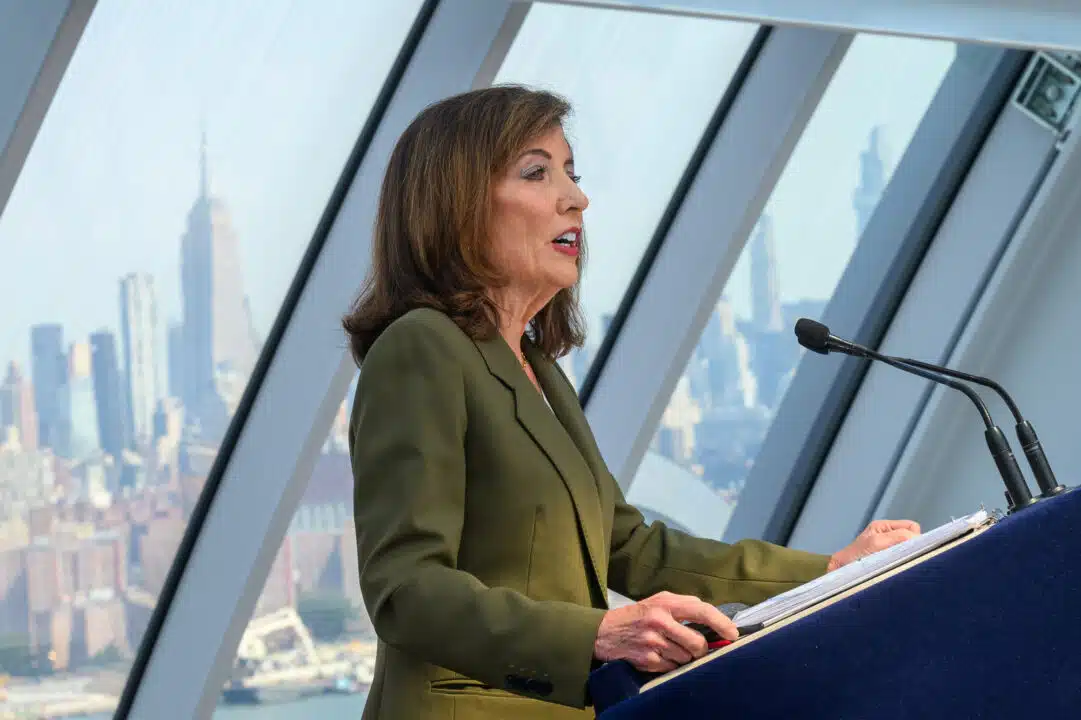
Speaking in the Southern Tier, Hochul rallied support for her fiscal year 2027 budget proposal, framing it as a continuation of efforts to ease financial pressure on working families amid persistently high costs of living.

The governor’s plan leans heavily on expanding access to child care, with $4.5 billion proposed for early education and subsidies. That includes a $1.7 billion increase aimed at making pre-K universal and expanding eligibility for assistance, along with pilot programs in select counties to broaden access for families with young children.
Housing and infrastructure are another major focus, with Hochul advancing her “Let Them Build” proposal to streamline development. The plan calls for changes to the state’s environmental review process to exempt certain projects deemed to have minimal impact, while also setting timelines and modernizing permitting — steps she argues will speed up construction and lower costs.
The proposal also targets auto insurance, where state officials say premiums are inflated by fraud and litigation. Hochul is backing measures aimed at reducing fraudulent claims, tightening legal loopholes, and limiting payouts she says ultimately drive up costs for consumers.
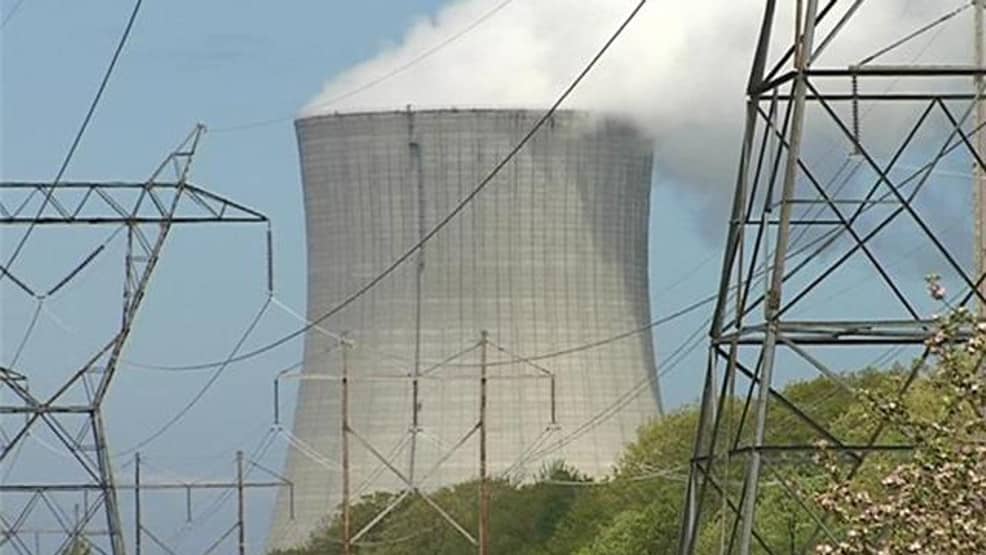
Energy affordability is emerging as one of the most politically sensitive pieces of the plan. Hochul is proposing changes to the state’s climate law, arguing that without adjustments, compliance with aggressive emissions targets could lead to significant cost increases for households and businesses. Her approach would maintain long-term clean energy goals while modifying implementation to reduce near-term financial strain.
The governor is also advancing a broader “ratepayer protection” framework, which would seek to rein in utility costs by reforming rate-setting processes, eliminating certain fees, and tying utility executive compensation to affordability metrics. The proposal would also require high-energy users, such as data centers, to shoulder more of their power costs.
Hochul framed the plan as a direct response to what she described as an affordability crisis, pointing to rising everyday expenses and economic pressures facing residents across the state. The proposals now head into negotiations with lawmakers as part of the state budget process.

FingerLakes1.com is the region’s leading all-digital news publication. The company was founded in 1998 and has been keeping residents informed for more than two decades. Have a lead? Send it to news@fingerlakes1.com.