

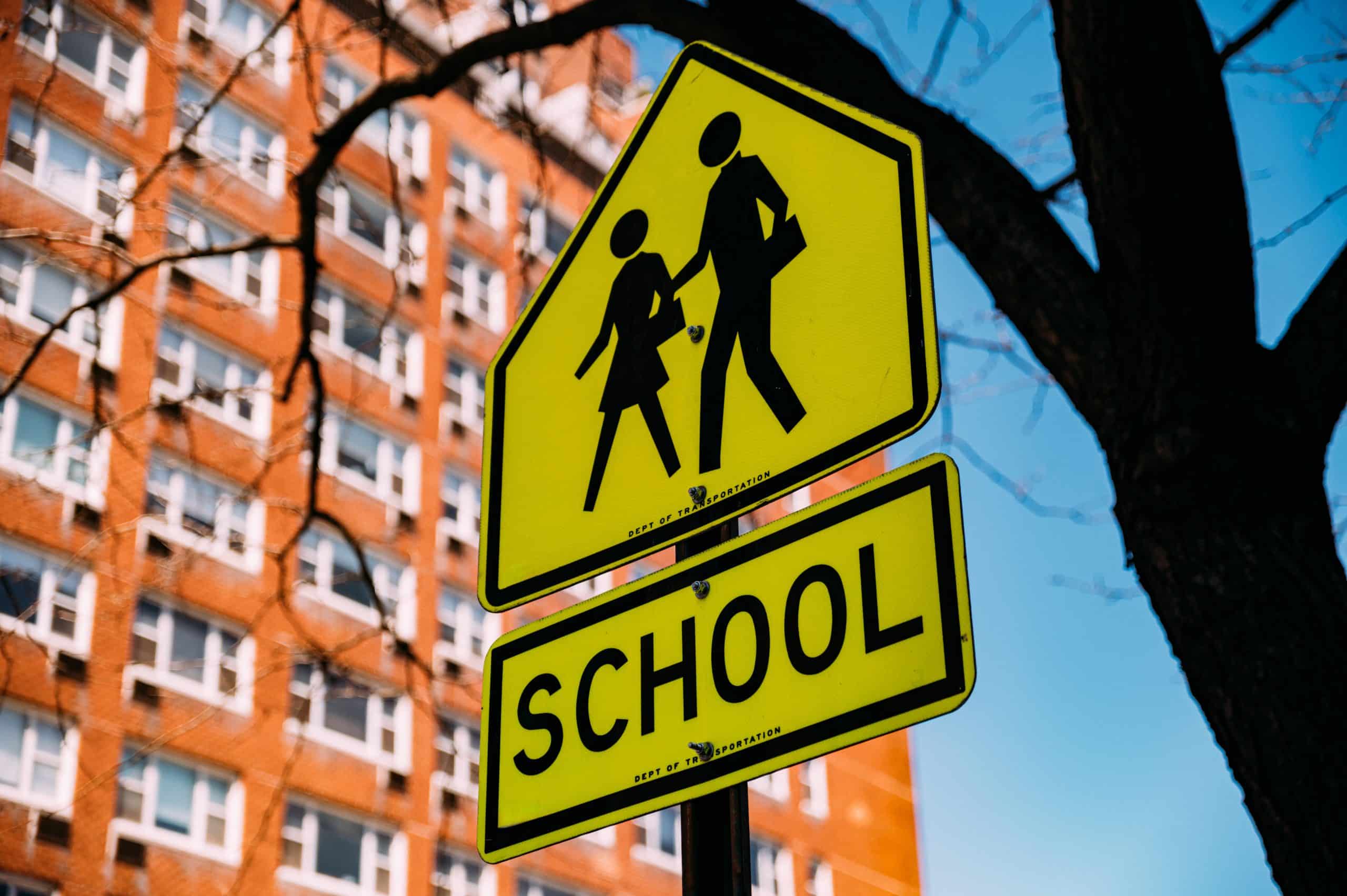
New research shows many students in New York and nationwide worry about their safety in school.
The study from the nonprofit YouthTruth found a high percentage of elementary, middle, and high school students do not feel safe on school buses or in school bathrooms. Other student concerns center on being open about their gender identity or sexuality and exposure to physical fights and weapons.
David McKinney, vice president of the nonprofit YouthTruth, said quality teaching and learning cannot happen without a sense of safety and security.
“We spend a lot of money on hardening school buildings, technology and cameras, and school resource officers and the like,” McKinney acknowledged. “But what often gets overlooked is what do students feel? What are they feeling? What do they have to say? What are they experiencing in terms of safety protocols?”

New York has faced obstacles to guaranteeing school safety. Attorney General Letitia James fought the federal government after it withheld more than $463 million in education funding, including $107 million for school safety.
McKinney noted one way students can be proactive is by reviewing their school’s safety program but added schools and districts must ensure plans are known and made clear to students, staff, and parents alike.
The report showed a gap between staff and students on preparedness for natural disasters and security threats, with staff feeling they are more prepared than students. McKinney pointed out a guide accompanying the research said school and district leaders must ask themselves certain questions as well as students and staff.
“One question we think all district leaders should be asking themselves is, ‘Do our students and staff believe their safety concerns are taken seriously?'” McKinney emphasized. “They should be asking themselves what formal and informal channels exist for students to actually report their safety concerns.”
Other questions center on the efficacy of those channels, their transparency, speed in response and trust. He stressed leaders must talk to students and staff about when they do raise safety concerns, what happens next and whether they are taken seriously.

Edwin is a reporter and producer in North Tonawanda, New York. He’s previously reported for the Niagara Gazette and the Ithaca Times. Edwin got an early start in radio interning for WBFO-88.7FM, NPR’s Buffalo affiliate. In 2018, he graduated from SUNY Buffalo State College with a B.A. in Journalism, and in 2022, graduated from Syracuse University with an M.S. in Communications.