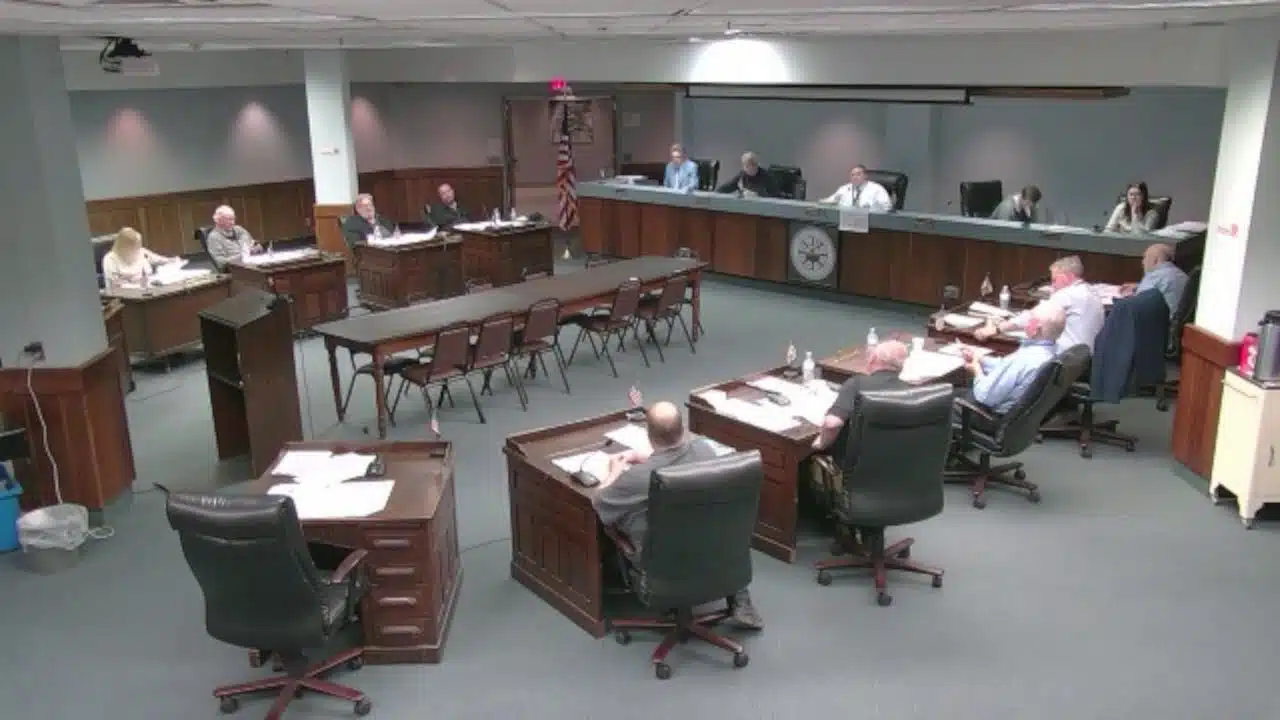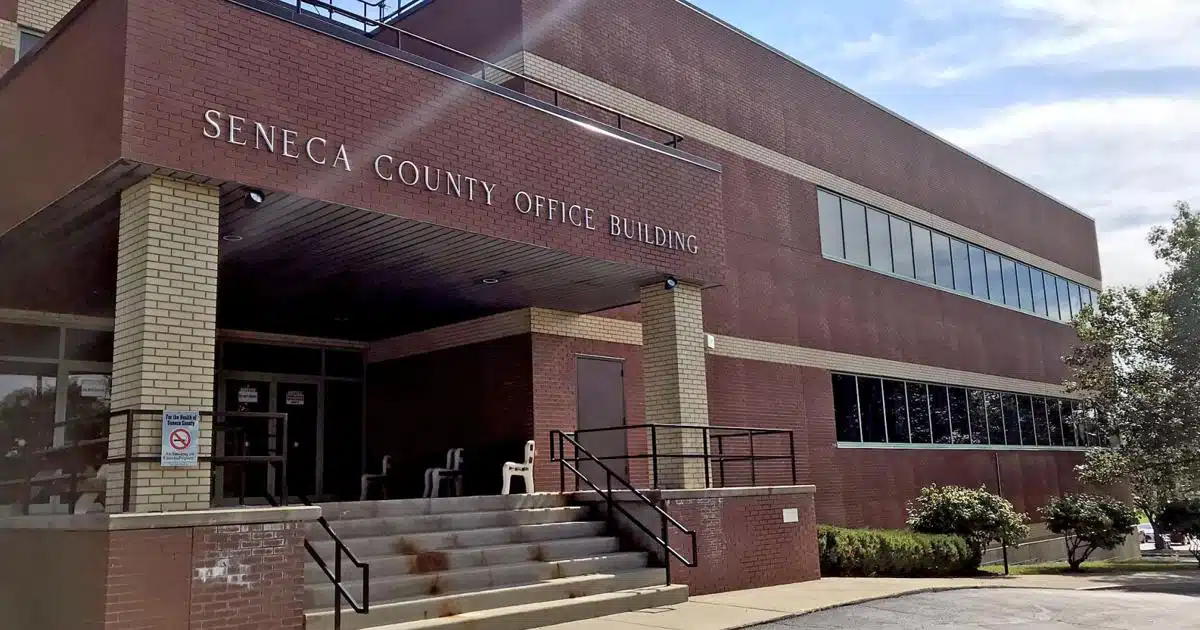
A wide-ranging agenda will put everything from staffing shortages to infrastructure projects and public health funding in focus when the Seneca County Board of Supervisors meet for committee sessions this week.
The Tuesday (April 28) session begins at 6 p.m. and includes multiple committees, with several high-impact items tied to services residents rely on daily—from recycling and roads to healthcare and emergency response.
Among the most immediate issues: workforce gaps in critical departments and a growing list of grant opportunities that could bring significant outside funding into the county.
Staffing shortages and salary pressures
County officials are expected to address multiple vacancies across departments, particularly in public health and emergency services. Positions up for approval include a public health sanitarian, health educator, senior dispatcher and deputy emergency management director.
Two healthcare roles—speech language pathologist and physical therapist—stand out, as both are tied to unmet needs in early intervention services. County documents note there are waiting lists of children currently receiving no services, with recruitment challenges blamed on noncompetitive pay. Officials are proposing to hire above the standard starting salary to fill those roles.
Supervisors will also consider a state-mandated increase to the district attorney’s salary, pushing it to $225,390 retroactive to April 1.
Infrastructure, contracts and environmental actions
Public works items include moving forward with bidding for recyclable materials services ahead of a contract expiration, awarding a trash and recycling contract, and approving engineering work for a bridge project on County Road 119 over Kendig Creek.
Separately, the county is weighing a long-term agreement with the Town of Ovid to provide floodplain management services through 2030—an arrangement tied to federal and state flood insurance requirements.
In the agriculture committee, supervisors are expected to set a public hearing on adding a 30-acre parcel in Waterloo to Agricultural District #6, a move that would extend protections for viable farmland.
Public safety, health funding and system changes
Several grant-funded initiatives are on the table, including more than $150,000 combined in hazardous materials response funding and a $103,629 grant to support opioid use disorder treatment in the county jail.
Another proposal would shift administrative oversight of the county coroner’s office to the public health department, a move officials say would improve coordination around mortality data and public health response without changing the coroner’s legal authority.
On the health side, the county is considering a $750,000 state grant aimed at improving legal representation in family court, along with funding for aging services, immunization outreach and expanded transportation for seniors.
Budget adjustments and policy updates
Finance-related items include amendments to the 2026 county budget and adoption of a new information technology security policy designed to strengthen data protection across departments.
Supervisors will also review a new workplace policy addressing gender-based violence, outlining protections, resources and anti-retaliation measures for employees.

FingerLakes1.com is the region’s leading all-digital news publication. The company was founded in 1998 and has been keeping residents informed for more than two decades. Have a lead? Send it to news@fingerlakes1.com.