

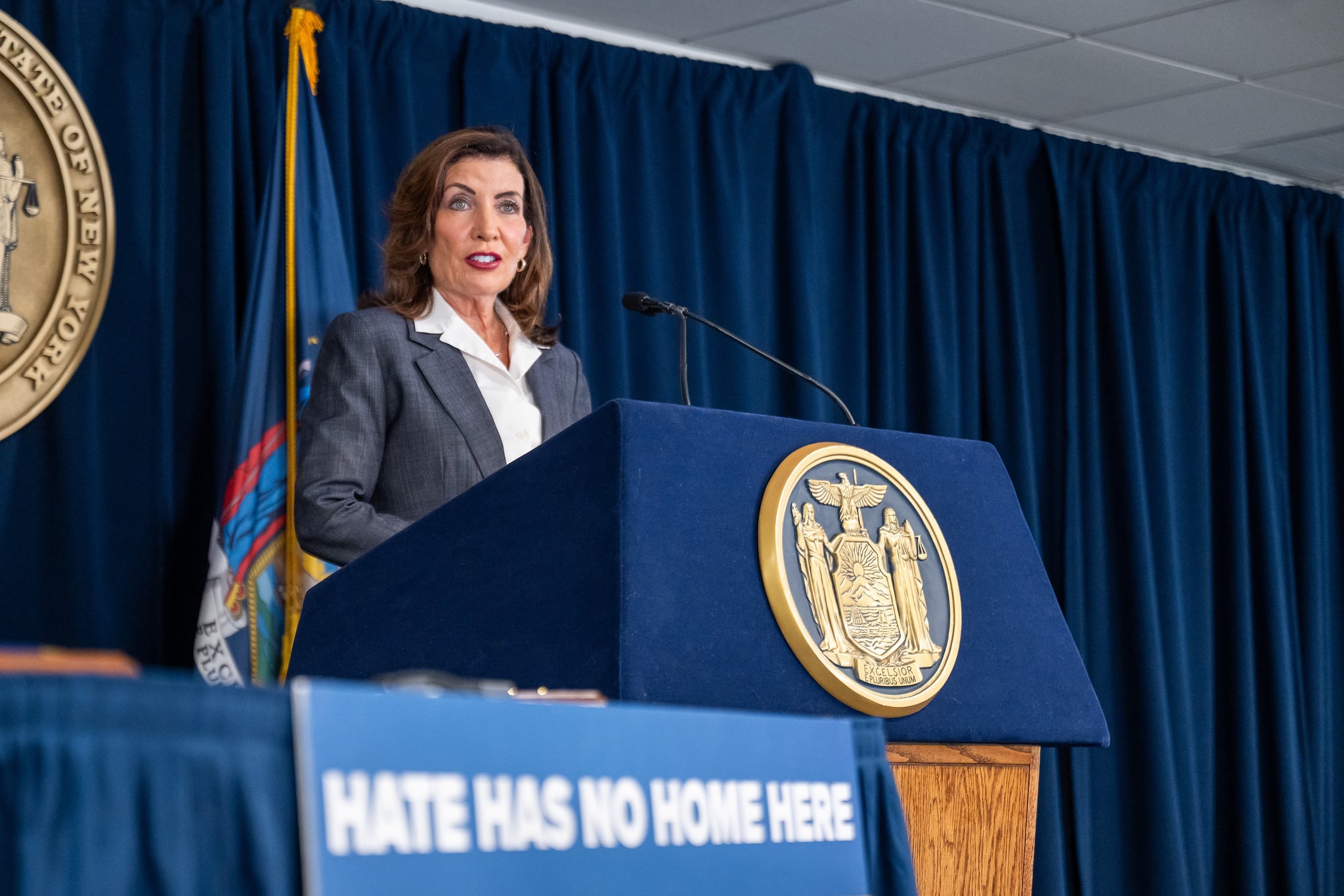
Governor Kathy Hochul is celebrating a major milestone in New York’s push to modernize water infrastructure—announcing a record-setting $3.4 billion investment during the 2025 fiscal year.
The funding, managed by the state’s Environmental Facilities Corporation (EFC), supported 328 local water projects across New York and marks a 55% jump over the previous year.

“We’re transforming communities, protecting public health, and ensuring every New Yorker can count on clean, safe water without breaking the bank,” Hochul said Tuesday in Albany.
The EFC’s financing covers everything from drinking water upgrades and lead pipe replacements to modern sewer systems and green stormwater solutions. The projects are expected to support around 30,000 jobs.
More communities get funding, guidance

Hochul credited the expansion to strong state-federal partnerships, including funding from the Bipartisan Infrastructure Law and matching state dollars.
More than $591 million in low-interest loans and $63 million in grants went to local governments that worked with the state’s Community Assistance Teams, which help municipalities navigate the funding process.
“Surpassing $3.4 billion in financial assistance this year reflects the leadership of Governor Hochul and EFC in delivering high-impact, cost-effective solutions,” said EFC CEO Maureen Coleman.
Lead pipe replacement and flood protection included
Among the highlights:
- $821 million supported drinking water projects, including lead line replacements and contaminant cleanup.
- $2.6 billion went toward sewer systems, wastewater treatment plants, and upgrades in small and rural towns.
- $60 million funded green infrastructure projects to combat flooding and extreme weather.
- $100 million in state grants helped communities replace aging lead pipes at no cost to local ratepayers.
- Recent bond transactions saved communities $280 million in financing costs.
Senator Chuck Schumer praised the effort, calling it a strong use of federal infrastructure funds. “There is nothing more important than keeping New York’s water safe for our children, seniors, and families,” he said.

FingerLakes1.com is the region’s leading all-digital news publication. The company was founded in 1998 and has been keeping residents informed for more than two decades. Have a lead? Send it to news@fingerlakes1.com.