

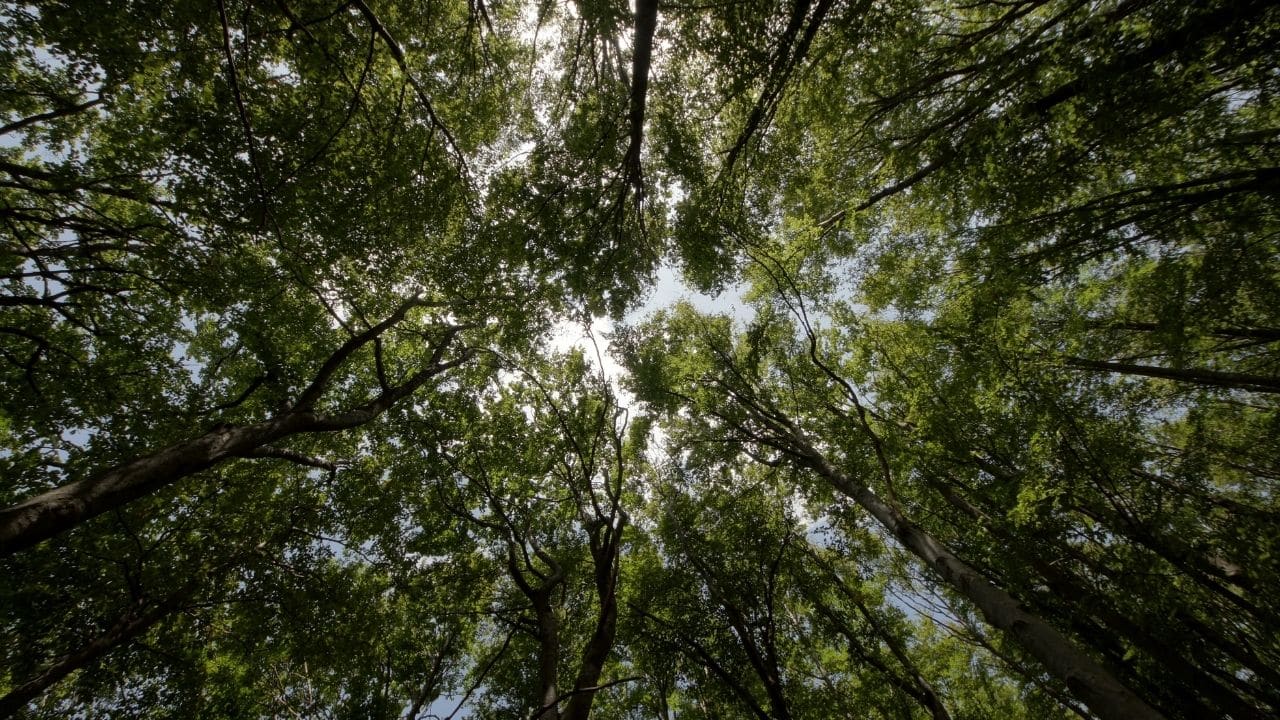
A Cornell University and U.S. Forest Service project is proposing smaller, guided tourism experiences along a road on the western edge of Puerto Rico's El Yunque National Forest, with the goal of spreading visitor spending to nearby communities while limiting pressure on the forest.
The Cornell project announcement says the first phase of a five-year effort has ended and initial reports have been released. The recommendations concern PR-186, also called the El Toro Scenic Byway; they are proposals, not a list of attractions that have been approved or built.

More than 1 million people visit El Yunque annually, Cornell says. The project seeks to offer alternatives to the forest's busier main access road, PR-191, while giving businesses in surrounding municipalities a greater share of tourism activity.
What the researchers recommend
The tourism market analysis identifies adventure trips, ecotourism and educational programs as the strongest near-term matches for visitor demand and local conditions. Social-impact and volunteer trips could work with targeted partnerships. Wellness tourism has longer-term potential, while cultural, food and farm experiences would need more investment or preparation.
Among seven proposed products are a scenic drive with safe roadside attractions, guided canyoning at Río Espíritu Santo, e-bike tours, rainforest dinners, educational camps and organized volunteer experiences. The report also sketches a possible wellness spa and glamping development, but classifies that as a major, longer-term investment whose site feasibility has not yet been assessed.
The researchers describe a “low-volume, high-value” model: smaller guided groups and experiences intended to generate more local spending without simply sending more visitors onto trails. Existing businesses already offer some of the ingredients, Cornell says, including outdoor food experiences, canyoning and e-bike excursions. The project aims to connect such operators to a coordinated visitor route and market.
That does not mean every recommended activity can begin immediately. The report's prioritization framework lists guided canyoning, volunteer experiences, rainforest dinners and basic scenic-drive improvements as possible early projects, but notes that each depends on partners, permits, safety work or infrastructure. E-biking and youth camps are in a build-and-test group; full road redevelopment and the spa proposal would require more extensive investment and coordination.
Road and community constraints
The Cornell team based its recommendations on interviews and workshops with local operators and community representatives, site visits, visitor and land-use data, market research and earlier plans. The analysis describes PR-186 as a paved but narrow route with limited shoulders and few safe pull-offs. Some sections are vulnerable to landslides, while restrooms, signs and other visitor facilities are sparse or in poor condition.
Those gaps matter for safety as well as tourism. A scenic drive would require places to stop, clear directions and coordination among the Forest Service and municipalities responsible for road maintenance. Developing bike trips or more river access without addressing traffic, site safety and environmental impacts could create new problems, the report warns.
Cornell also points to the costs residents can bear when tourism grows without planning: road damage, pressure on water and electricity, overcrowding and trail erosion. Recent hurricanes have left some areas with limited amenities, while social media has drawn visitors to informal sites. The researchers argue that tourism revenue must be connected to local businesses and reinvestment, rather than treating the forest as a stand-alone destination.
The Forest Service manages the national forest but does not control every road, service or business that shapes a visit. Cornell's team recommends shared planning with municipalities, guides, community groups and other businesses, plus clearer standards for operators and a way for visitors to find and book local experiences.
What happens next
The market report's findings are not a guarantee of demand or revenue. Its authors caution that estimates for tourism segments vary across studies, and that long-term evidence on what travelers will actually buy is limited. Some recommendations also need further work on Indigenous knowledge, equity, environmental effects and the readiness of particular sites.
The project's planning page says five analyses completed between April 2025 and March 2026 are meant to guide the next phase. The publicly linked reports include the tourism-market study and a geographic baseline analysis; neither is an approval for construction or operations.
Mark Milstein of Cornell's Center for Sustainable Global Enterprise said the project is intended to weigh economic, social and environmental tradeoffs together. O'Shannon Burns, the program's managing director, said the next stage will help local entrepreneurs design, market and sell experiences. Whether specific proposals advance will depend on local partners, funding, permits and the Forest Service's decisions.

FingerLakes1.com is the region’s leading all-digital news publication. The company was founded in 1998 and has been keeping residents informed for more than two decades. Have a lead? Send it to news@fingerlakes1.com.