

For young baseball and softball players, summer is usually packed with games, tournaments and practices.
But playing more games does not automatically mean an athlete is getting better.
In fact, the middle of the summer can be one of the best times for players to step away from competition briefly, identify what is not working and spend focused time correcting it.

That matters for athletes across the Finger Lakes who may be playing several games each week but receiving limited individual instruction during team practices.
A coach preparing an entire roster for the next opponent may not have enough time to rebuild one player’s swing, clean up throwing mechanics or work through a confidence problem.
Individual and small-group training can fill that gap.
Games reveal problems that practice can correct
Early-season training often focuses on getting ready to play.
Midseason training can be more specific because players and coaches now have real information to evaluate.
A hitter may be dropping their hands, struggling with outside pitches or losing balance against faster pitching. A pitcher may be missing consistently to one side of the plate. A fielder may be rushing routine plays or using inefficient footwork.
Those problems can become more noticeable as competition increases.
Simply continuing to play games may reinforce the same habits. Focused instruction gives athletes time to slow the movement down, understand what is happening and make controlled adjustments.
The goal is not to completely overhaul a player during the middle of the season. It is to make targeted corrections that can produce gradual, sustainable improvement.
Repetition only works when it is productive
Young athletes often hear that they need more repetitions.
That is only partly true.
Players need quality repetitions performed with a clear purpose. Taking hundreds of swings with poor mechanics can make a problem harder to correct. Throwing while tired or using the wrong movement pattern can also increase stress on the body.
Structured training gives athletes a chance to work through drills that isolate specific skills.
For hitters, that could mean tee work, front toss or controlled batting practice focused on balance and contact. Pitchers may work on repeatable mechanics and command rather than maximum velocity. Fielders can practice footwork, transfers and throwing accuracy without the pressure of a live game.
The number of repetitions matters less than whether the athlete understands what each repetition is intended to accomplish.
Confidence can change quickly during a long season
Baseball and softball are difficult sports mentally.
A player can make solid contact several times and still finish without a hit. A pitcher can make a good pitch and watch it fall into the outfield. One defensive mistake can feel much larger when it happens in a close game.
Over time, those moments can affect confidence.
Focused training creates a controlled environment where players can experience progress without worrying about the score, standings or reaction from the dugout.
That does not mean removing pressure entirely. Athletes still need challenges. But training should give them a chance to rebuild trust in their skills before returning to competition.
Confidence usually follows preparation. When players know they have put in productive work, they are more likely to respond well when difficult moments arise.
Summer development should include recovery
More training is not always the answer.
Young athletes also need rest, especially when their schedules include practices, league games and weekend tournaments. Fatigue can affect mechanics, concentration and decision-making.
Parents should pay attention to soreness that does not improve, changes in throwing motion, reduced performance and signs that an athlete is no longer enjoying the sport.
A useful summer development plan balances instruction with games, recovery and time away from organized sports.
That balance is especially important for pitchers and catchers, who may face heavier physical demands during the season.
Indoor training provides consistency
Summer weather in the Finger Lakes can make training unpredictable.
Heat, thunderstorms and wet fields can cancel practices or turn planned workouts into rushed sessions. Indoor facilities give athletes a controlled place to train without depending on field conditions.
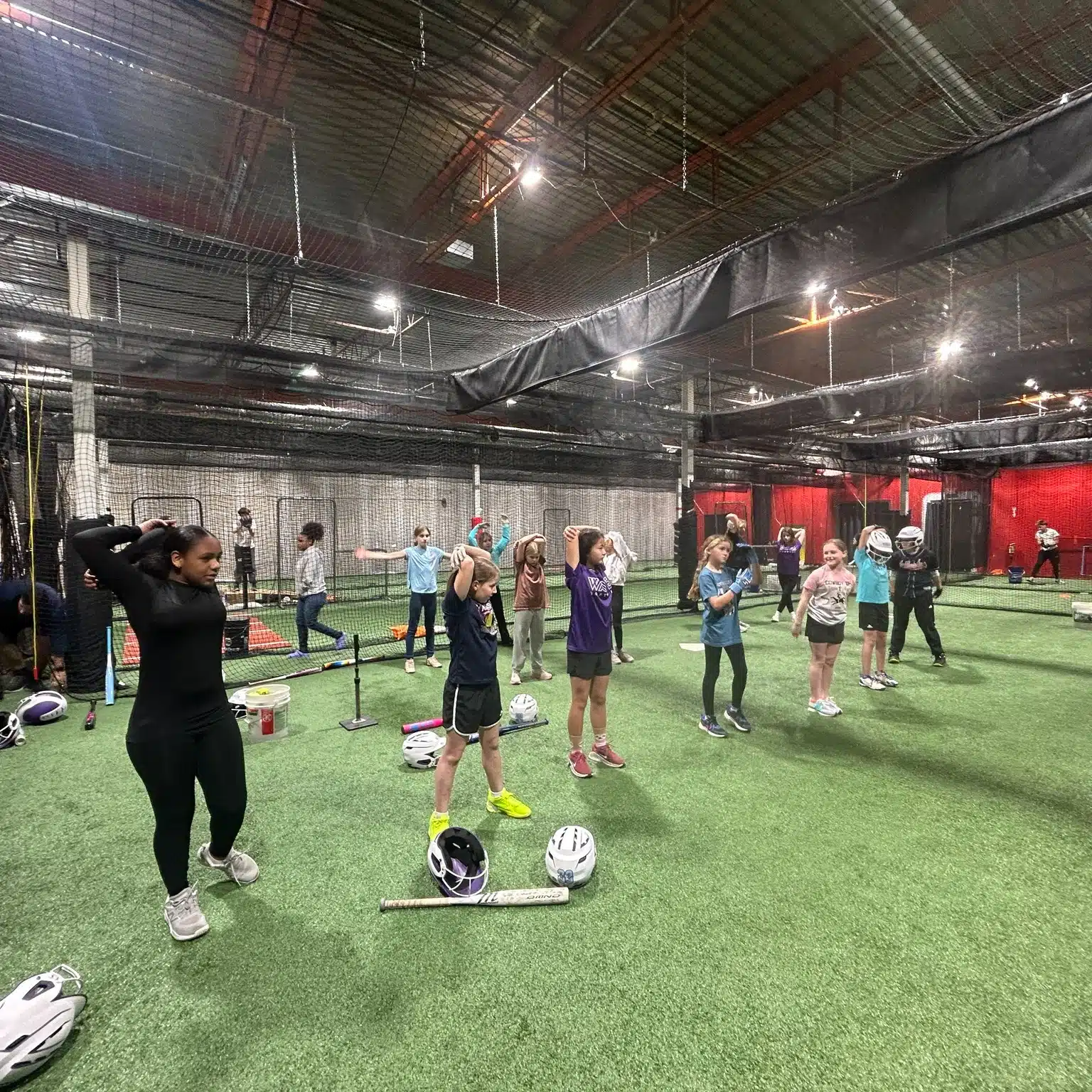
Practice Time Sports in Canandaigua provides year-round space for baseball and softball instruction, camps, clinics and independent skill development.
The facility allows athletes to work on specific areas between games rather than waiting until the season ends to address them.
For some players, one focused session can be more valuable than another full week of unfocused repetitions.
The summer season is not only a time to compete. It is also an opportunity to learn what needs improvement and begin making those changes while the lessons from games are still fresh.

FingerLakes1.com is the region’s leading all-digital news publication. The company was founded in 1998 and has been keeping residents informed for more than two decades. Have a lead? Send it to news@fingerlakes1.com.