

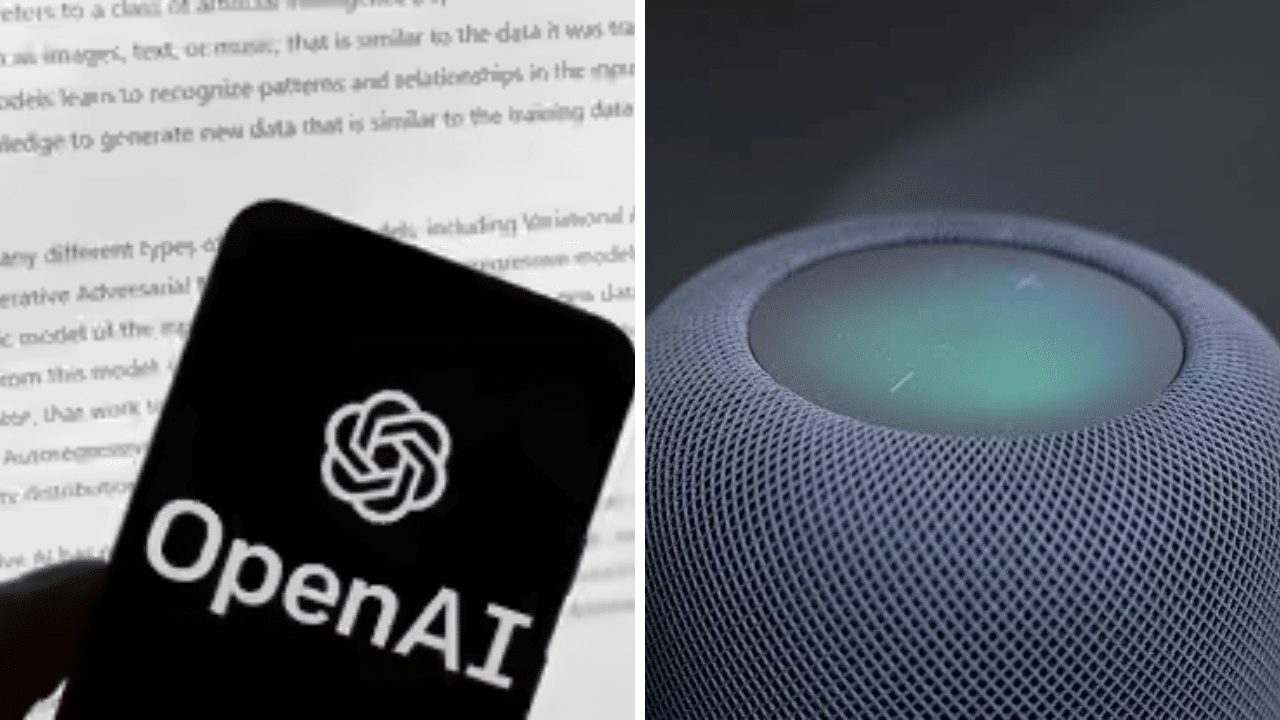
OpenAI is reportedly working on its first dedicated hardware device that could combine the convenience of a smart speaker with the intelligence of a personal AI assistant. The next device will be more than a voice assistant, with more human-like interactions, better AI capabilities and personalised experiences for users. The company has not officially confirmed details of the acquisition but reports say OpenAI is looking at ways to make artificial intelligence more closely integrated into everyday life. This could be a game-changer – how people interact with artificial intelligence (AI) technology outside of smartphones and computers.
 Samsung Galaxy S26 Ultra Users Report Red Tint Display Problem as More Complaints Surface Online
 OpenAI’s hardware device is expected to be about more meaningful AI interactions, while today’s smart speakers are really about voice commands for simple tasks. It looks like the company wants to make a device that can understand context, remember user preferences and provide more useful answers. As AI tools like ChatGPT become more popular, a dedicated physical device could enable users to more naturally access advanced AI help throughout the day.
OpenAI AI assistant can make device smarter by using voice interaction
The rumoured OpenAI hardware device is said to be a mashup of a smart speaker and a very powerful personal AI assistant. What Amazon and Google have built is a smart speaker, which is a standard device to control smart home devices, play music, set reminders and answer simple questions. But the approach from the team at Open AI may be more geared towards conversation, reasoning and productivity support.
This device could enable users to ask complicated questions, manage tasks, get suggestions, and interact with AI in a more human-like manner. It is powered by sophisticated language models from OpenAI and may be able to understand conversations as they happen, rather than treating each request in isolation.
A personal AI assistant embedded in a stand-alone device could also help users in daily chores like schedule management, information management, learning new subjects and managing personal workflows. That could bring AI help right to your fingertips without having to open an app or otherwise use a traditional screen-based interface.
Screenless AI Hardware Could Revolutionise How We Interact With Tech
The reports say the company has been working on a screenless hardware concept that could offer a different experience than smartphones and tablets. Maybe the device will rely a lot on talking to you and giving you answers from artificial intelligence, not screens.
 Star Wars Zero Company Confirms SDCC 2026 Cast Panel With New Details About the Upcoming Game
 A screenless design could allow for more natural interactions, letting people talk to AI as if they were talking to another person. It might also cut down on the distractions that come from constantly staring at a screen, while still providing access to powerful digital assistance.
The device’s development comes as big tech companies continue to invest in artificial intelligence hardware. Companies are testing AI-powered wearables, smart assistants and connected devices meant to bring AI into everyday life.
OpenAI’s hardware plans could heat up AI market competition
If it does release its first hardware product, the company could introduce new competition in the booming AI device market. As users demand a smarter, more personal experience, the leaders in today’s smart speaker technology may need to step up their own AI game.
“OpenAI has a baked-in set of AI models and a large user base to work with. By blending its software know-how with custom hardware, the company could create an ecosystem that would make it easier and faster to get AI assistance.
But there are challenges in making successful hardware. The company will have to deal with privacy, security, battery performance, reliability and user trust. Because AI devices may collect personal data to deliver personalised experiences, safeguarding user data will be key to earning consumer trust.

Priyanshu Naithani writes about the fast-moving world of technology, including gadgets, apps, software, cybersecurity, digital trends, artificial intelligence, and innovation. His coverage is designed to make complex tech topics easier to understand and more useful for everyday readers.