

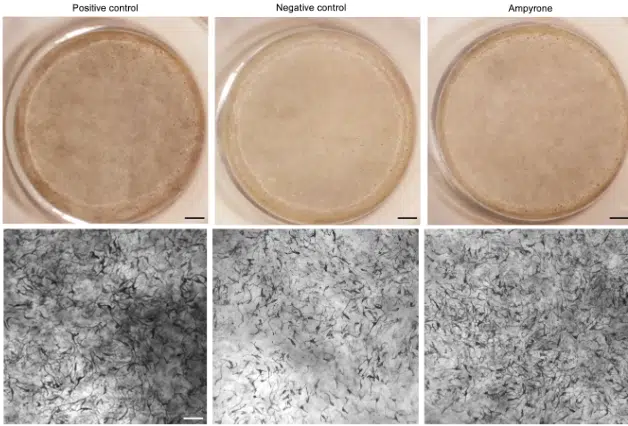
A compound tested by Weill Cornell Medicine and federal researchers increased melanin production in laboratory models, a preclinical finding that could guide future treatments for hypopigmentation disorders.
The compound, called ampyrone, has not been established as a treatment in people, and researchers are using it as a starting point for drug development.

Hypopigmentation disorders include genetic forms of oculocutaneous albinism and skin patches caused by inflammation. Low melanin levels can raise skin cancer risk and contribute to vision problems because melanin helps absorb ultraviolet radiation and supports retinal development.
The study was led by Jonathan Zippin of Weill Cornell Medicine and Brian Brooks of the National Eye Institute. It was published June 18 in JCI Insight.
Researchers developed a screening platform focused on tyrosinase, an enzyme needed for melanin production. A screen of more than 34,000 compounds identified seven potential activators and 65 potential inhibitors.
Ampyrone emerged as the most promising activator in additional tests. It increased the activity of normal tyrosinase and disease-causing mutant forms of the enzyme and boosted melanin production in cell and three-dimensional skin models, according to Cornell.
The research team reported no signs of toxicity during tests that included up to three weeks of exposure. A separate measurement method found new melanin synthesis began within an hour in cell testing.
Researchers said additional development and testing will be needed before an ampyrone-derived therapy could be evaluated for clinical use.

FingerLakes1.com is the region’s leading all-digital news publication. The company was founded in 1998 and has been keeping residents informed for more than two decades. Have a lead? Send it to news@fingerlakes1.com.