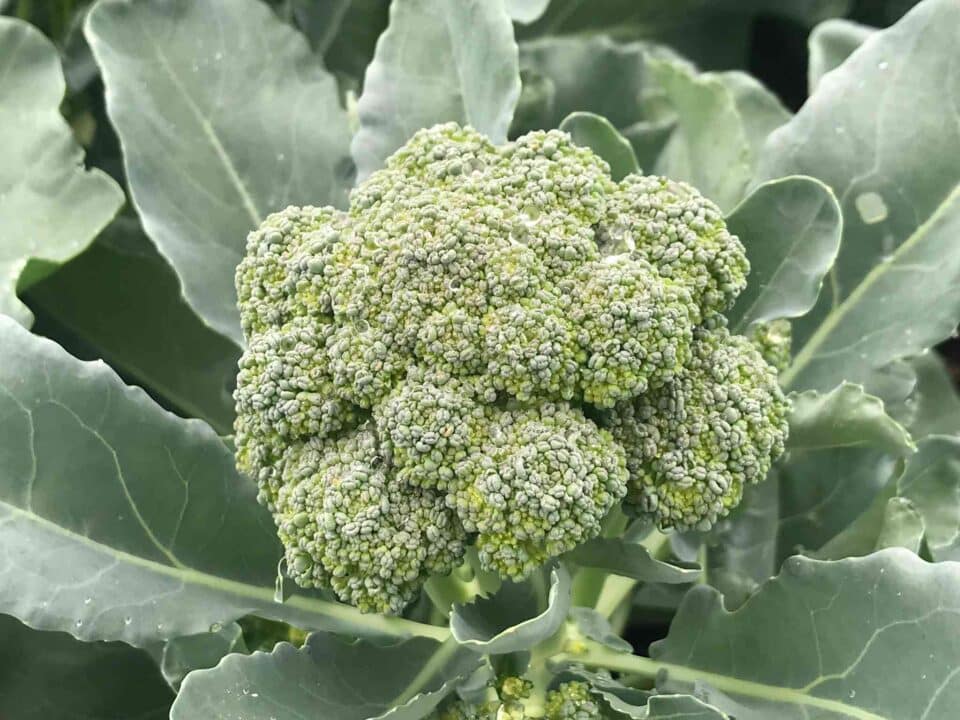
A Cornell-led study found that expanding East Coast broccoli production could slightly lower supply-chain costs and reduce dependence on drought-prone California. The research used a supply-chain model to examine how fresh produce systems could respond when water shortages disrupt West Coast production.
The study was published June 15 in the journal Agribusiness and used the growing broccoli market as a model for other fresh vegetables.

Researchers said California remains the nation's top broccoli producer, but increasing water scarcity has raised questions about relying heavily on one region. The model identified optimal locations for broccoli production in 10 Eastern states and measured effects on cost, market share and food miles.
Bingyan Dai, the paper's first author and a doctoral student at Cornell, said the model could apply to other crops facing drought and water scarcity when production is concentrated in one state.
The East Coast broccoli industry grew from a Cornell AgriTech project launched in 2010 by Thomas Bjorkman, professor emeritus of horticulture. The project helped build a $120 million industry by developing locally adapted broccoli varieties and building networks of growers, packers, distributors and retailers.
The model found that under severe drought, shifting some production from California to the East Coast would reduce annual supply-chain costs by 1.5% and lower transportation distances in Eastern markets by about 20%.
Miguel Gomez, a Cornell professor and co-author, said East Coast production cannot replace California or Texas, but it can diversify supply sources and make the fresh produce system more resilient.
The study was funded by the U.S. Department of Agriculture.

FingerLakes1.com is the region’s leading all-digital news publication. The company was founded in 1998 and has been keeping residents informed for more than two decades. Have a lead? Send it to news@fingerlakes1.com.