

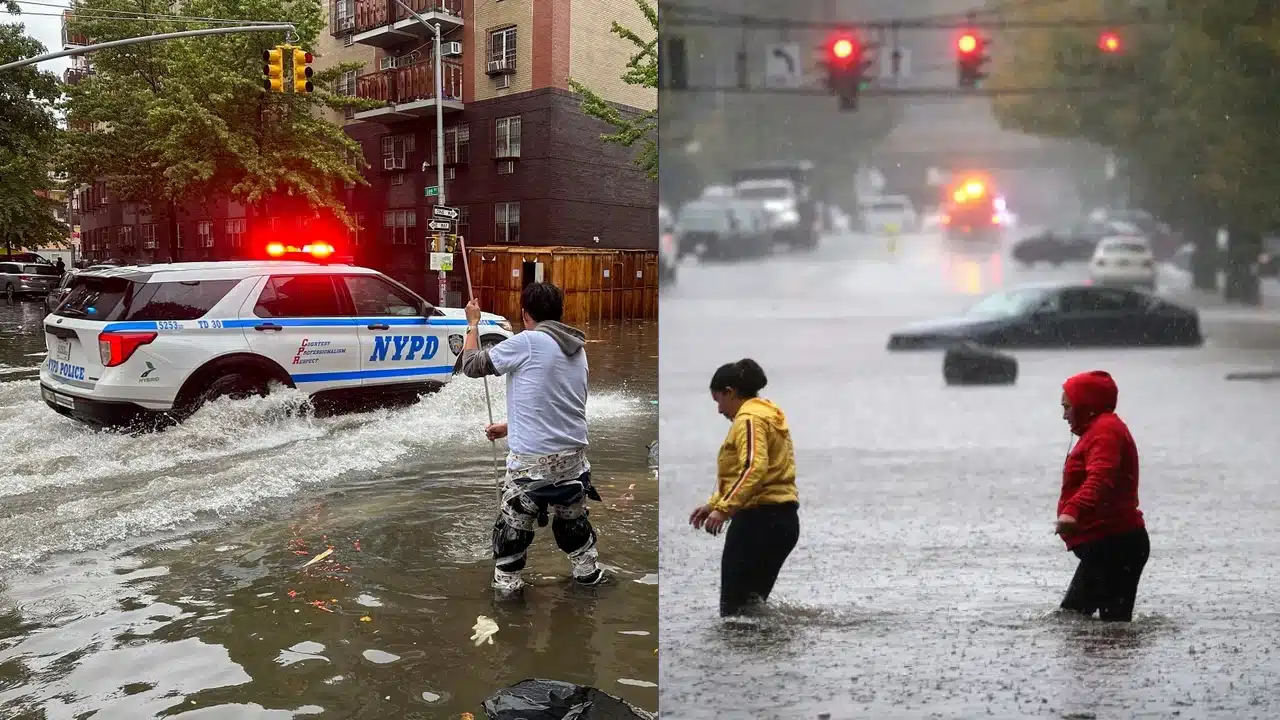
Heavy downpours are causing dangerous conditions in parts of the state, with officials warning New Yorkers to watch out for more flooding hazards. Weather professionals have warned that heavy downpours in a short amount of time could cause roadways, low-lying areas and small streams to become swamped. Drivers, commuters, and homeowners in flood-prone areas should check local forecasts and avoid unnecessary travel. Flash floods can happen in a very short time, even if the sky looks clear for hours prior. Thus, early preparedness in severe weather is quite important.
New York Under Severe Flooding Threat
There are flash flood warnings for parts of New York as a slow-moving storm system delivers intermittent downpours. Forecasters warn rainfall rates might be heavy enough to produce flash flooding, particularly in metropolitan areas where drainage systems can be overwhelmed. Residents are urged to keep up with official weather information, be prepared for changing conditions and move quickly if evacuation orders or emergency alerts are issued by local officials.
Urban Vulnerability and Nighttime Dangers
Meteorologists say the current weather pattern is capable of bringing a lot of rain in a short amount of time. Drainage systems that are not very efficient, underpasses, creeks and small rivers are more likely to be flooded. Cities are especially likely to be flooded because concrete surfaces such as roads do not allow water to soak into the ground, causing it accumulates very quickly.
Officials are also warning that nighttime flooding can be especially perilous due to the inability to see rising water. If the rain is heavier than expected, even areas that do not flood very often could be hit. Weather updates should be monitored throughout the day with forecasts and alert regions changing rapidly.
How Residents Can Stay Safe
Emergency management professionals are asking people to take simple but vital safeguards before the situation gets worse. Do not drive on flooded roads. The water can be deeper than it seems. Move cars from low-lying streets if flooding is expected. Families should also have an emergency plan so everyone knows where to go if they need to evacuate. In general, it’s best to act early in flash flood disasters.
 San Andreas Fault Reaches Highest Seismic Tension in 1,000 Years as Scientists Issue New Warning
 Expected Travel Disruptions and Localized Impacts
Heavy rain could cause travel impacts in some areas. Flooded roads, water on roads and reduced visibility could cause challenges or temporary closures for motorists. Flooded lines, tunnels, or stations could also impact public transit.
Passengers are being advised to check their flight schedules before going to the airport and commuters are urged to allow extra travel time or postpone non-essential journeys. If there is heavy rain with strong storms, there is a likelihood of power outages, so ensure all your electronic devices are charged.
Stay Cautious Until the Weather Gets Better
Weather conditions can change very rapidly during flash flood events and warnings may be updated as new information becomes available. “Official forecasts and emergency alerts should be relied on, not social media rumors,” officials said. If a flash flood warning is issued for your region, move promptly to higher ground. Do not walk or drive across floodwaters.
“The best way to mitigate risks during severe weather is to stay informed and be prepared.” The storm system is expected to eventually move out, but the threat for flooding will remain until the rain starts to taper off and water levels begin to recede. “Taking precautions now can save lives and help mitigate the impacts of extreme flooding in New York.”

Akash Negi focuses on weather coverage that helps readers stay prepared, from daily forecasts and seasonal changes to storm alerts, temperature shifts, and weather-related updates. His reporting provides clear and timely information for people planning their day, travel, and local activities.