

Youth sports are becoming more competitive earlier than ever — and many families across the Finger Lakes are starting to push back.
In communities like Canandaigua, Victor, Geneva, and Fairport, parents increasingly find themselves balancing a difficult question: How do you help kids improve without turning sports into a full-time job?
That conversation is becoming more common as year-round training, travel teams, private lessons, and packed sports calendars continue expanding across youth athletics.
For many families, the concern isn’t whether kids should stay active.
It’s whether sports are still fun.
“There has to be balance,” Practice Time Sports owner Chris Harris said. “Kids improve the most when they actually enjoy showing up.”
Across youth sports, burnout has become one of the fastest-growing concerns among parents, coaches, and trainers. The issue isn’t always physical exhaustion. Often, it’s mental fatigue created by nonstop structure, pressure, and specialization at younger ages.

That’s especially true for athletes who feel like every practice, lesson, or game carries pressure to perform.
In many cases, kids simply stop enjoying the sport entirely.
The trend has also created a broader shift in how some facilities and programs approach youth development. Instead of focusing only on high-intensity competition, more organizations are emphasizing flexibility, creativity, and multi-sport participation.
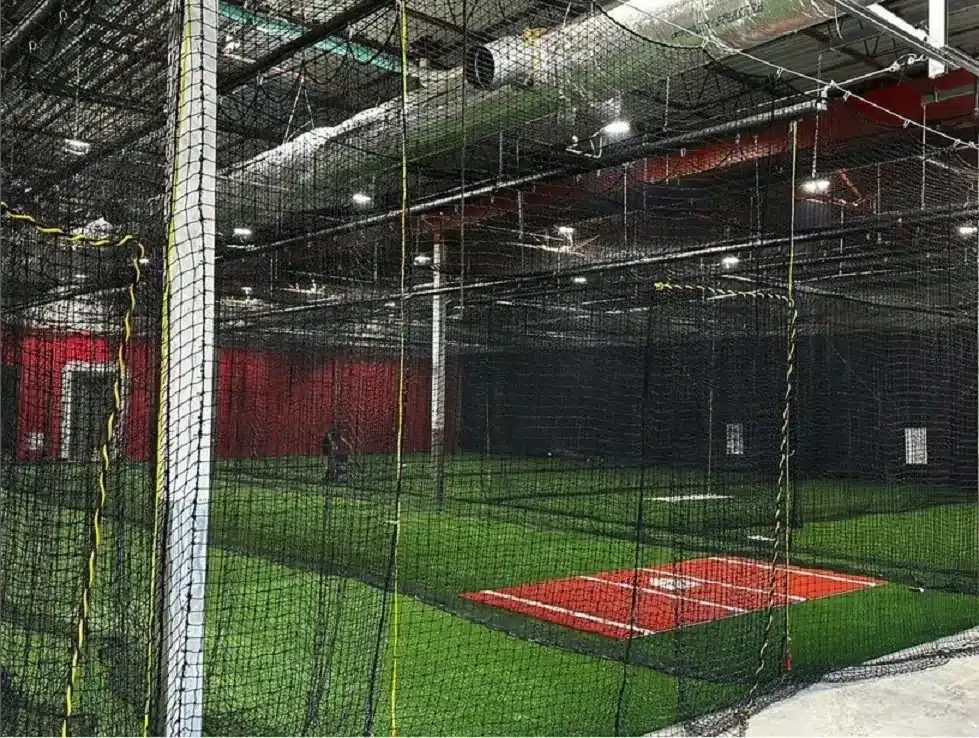
At Practice Time Sports in Canandaigua, that philosophy has increasingly shaped camps, clinics, and activities designed to keep kids active without making every session feel overly rigid.
“We’ve learned the importance of flexibility,” Harris said. “While we come prepared with structured activities, some of the best moments happen when we let the kids take the lead, shaping games, guiding the pace, and exploring what excites them most.”
That balance between structure and freedom is becoming more important in youth sports environments where athletes often spend nearly the entire year in organized activities.
Previous reporting on youth sports development trends in the Finger Lakes has shown that consistency matters for athletic improvement, but experts and families alike are also increasingly recognizing the importance of avoiding overload.
The concern is particularly noticeable among younger athletes who specialize in a single sport too early.
Parents and coaches are increasingly seeing athletes experience:
- Mental fatigue
- Increased injury risk
- Loss of motivation
- Anxiety around performance
- Reduced confidence after setbacks
In response, more families are encouraging kids to participate in multiple sports, take periodic breaks from competition, and spend more time in environments centered around movement and fun instead of constant evaluation.
That shift is also changing what parents look for in training spaces.
Instead of searching only for elite instruction, many families now prioritize:
- Positive environments
- Flexible scheduling
- Variety in activities
- Smaller local programs
- Spaces where kids can socialize and enjoy themselves
Previous reporting on youth sports training facilities in the Finger Lakes has shown that accessibility and consistency remain important, but families are also placing more value on environments that keep athletes engaged long-term rather than simply pushing year-round intensity.
For Harris, that long-term mindset matters more than short-term performance gains.
“The goal should be helping kids build confidence, stay active, and continue loving sports as they grow,” he said.
That philosophy is increasingly resonating with families throughout the Finger Lakes who want their children developing athletically — but not at the expense of enjoyment.
Because for many parents, the biggest concern isn’t whether their child becomes a star athlete.
It’s whether they still want to play at all a few years from now.

FingerLakes1.com is the region’s leading all-digital news publication. The company was founded in 1998 and has been keeping residents informed for more than two decades. Have a lead? Send it to news@fingerlakes1.com.