

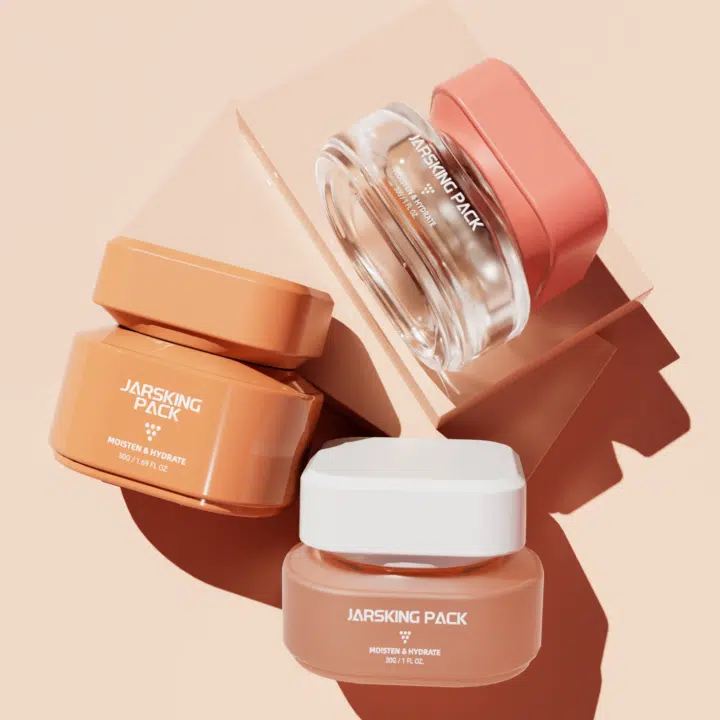
Independent skincare brands across the United States are facing a market that rewards differentiation at every level — and the brands pulling ahead are not always the ones with the best formulas. Increasingly, the deciding variable is packaging quality, and more specifically, whether a brand has the manufacturing foundation to consistently deliver it.
This is not a niche concern limited to high-end cosmetic labels. From small-batch artisan skincare producers in upstate New York to DTC brands scaling nationally through Amazon and Shopify, every skincare entrepreneur faces the same underlying problem: the packaging is the first thing the consumer judges, and generic containers send the wrong signal immediately.
Understanding why this happens — and what the fastest-growing independent brands are doing differently — is increasingly relevant for anyone building, advising, or investing in the US beauty and personal care market.
The Premium Perception Problem
In the skincare category, consumers make unconscious quality assessments within the first few seconds of encountering a product. Weight, material, finish, and the tactile feel of the closure all communicate something about the product inside before a single ingredient is read.
This dynamic is particularly pronounced in the moisturiser and cream category. A beautifully weighted, elegantly finished face cream jar tells the buyer that the formulation inside was developed with the same attention to detail. A flimsy, lightweight generic container undermines even the most sophisticated formula — because the consumer’s brain has already made its assessment.
For brands priced at the mid-to-premium tier, this is not a cosmetic issue. It is a conversion problem. Premium-priced skincare products in lightweight stock packaging face a credibility gap that no amount of marketing spend fully closes.
Why US Indie Brands Struggle With Custom Packaging
The instinct to invest in better, more custom packaging is rarely the problem. The execution gap is.
Most independent beauty entrepreneurs discover the hard way that the journey from a creative packaging vision to a physically produced, shelf-ready container is far more technically demanding than anticipated. The design that looks compelling in a mockup may be structurally impractical in glass. The embossed logo detail that defines the brand’s identity may require specific mold engineering tolerances that budget manufacturers cannot deliver. The finish that photographs beautifully may degrade under UV exposure or logistics handling.
Without a manufacturing partner who understands these interdependencies, brands enter a cycle of disappointing samples, extended revision timelines, and ballooning development costs. Launches are delayed. Cash flow is strained. And the product that finally reaches consumers is often a compromised version of the original vision.
The solution is not to lower ambitions. It is to engage a partner with the engineering depth and production infrastructure to execute them.
What Rigorous Manufacturing Actually Looks Like
There is a significant difference between a supplier who can produce packaging and a manufacturer who can engineer it. The distinction matters enormously for independent brands, because it determines whether the product you envisioned is the product you receive — at scale, consistently, without quality degradation between sample and production run.
Rigorous packaging manufacturing involves systematic physical and chemical performance testing at every stage: thermal shock testing to ensure containers withstand shipping temperature swings across US continental routes; UV aging tests that predict how finishes hold up under retail display conditions; compatibility testing to verify that the container does not interact adversely with the formulation inside; torque testing to confirm that closures meet FDA-aligned safety and usability standards.
For brands targeting US retail channels — whether Ulta, independent boutiques, or regional wellness retailers — these technical standards are not optional. Retailers increasingly require documented quality assurance before onboarding new suppliers. And for brands with ambitions that extend into regulated categories like CBD-infused skincare or pharmaceutical-grade topicals, US 16 CFR § 1700.20 child-resistant packaging compliance is a non-negotiable legal requirement.
Choosing a manufacturer certified against internationally recognized quality frameworks, including ISO quality management systems, REACH and ROHS chemical safety compliance, LFGB food-safe contact standards, and BSCI ethical manufacturing verification, is one of the most risk-reducing decisions a growing brand can make. Jarsking’s factories and certifications reflect this standard — covering 100,000 square metres of self-owned manufacturing infrastructure with full documentation across all major global compliance frameworks.
The Small-Brand Advantage Hidden in Packaging Strategy
There is an underappreciated commercial opportunity embedded in this challenge, and it is particularly relevant for the indie brand segment.
Large, established skincare companies are slow to innovate on packaging. They are locked into high-volume commitments with specific suppliers, bound by legacy tooling, and unable to pivot quickly when consumer preferences shift. Independent brands, by contrast, have the agility to move fast — but only if they have a manufacturing partner capable of matching that speed.
When an independent brand works with a vertically integrated packaging manufacturer — one with in-house glass, plastic, mold, and decoration facilities rather than a network of disconnected subcontractors — they gain access to the same manufacturing quality available to enterprise clients, but with the responsiveness that indie brands require. DFM (Design for Manufacturability) reviews that take days rather than months. Sampling cycles measured in weeks rather than quarters. The ability to iterate on design without resetting the entire development timeline.
This is the structural advantage that the most successful US indie skincare brands are building into their operations — not just as a quality play, but as a velocity play. The brand that can conceptualise, engineer, and launch a new SKU in a fraction of the time its larger competitors require will consistently outpace the market in relevance and freshness.
The Packaging Decision Is a Business Decision
For any skincare entrepreneur reading this — whether you are in early-stage development, preparing for a retail pitch, or scaling an existing DTC operation — the packaging decision deserves the same rigour you apply to your formulation, your branding, and your go-to-market strategy.
The brands winning in today’s US beauty market are not just making better products. They are making smarter operational choices about who builds the containers those products live in.

This content is brought to you by the FingerLakes1.com Team. Support our mission by visiting www.patreon.com/fl1 or learn how you send us your local content here.