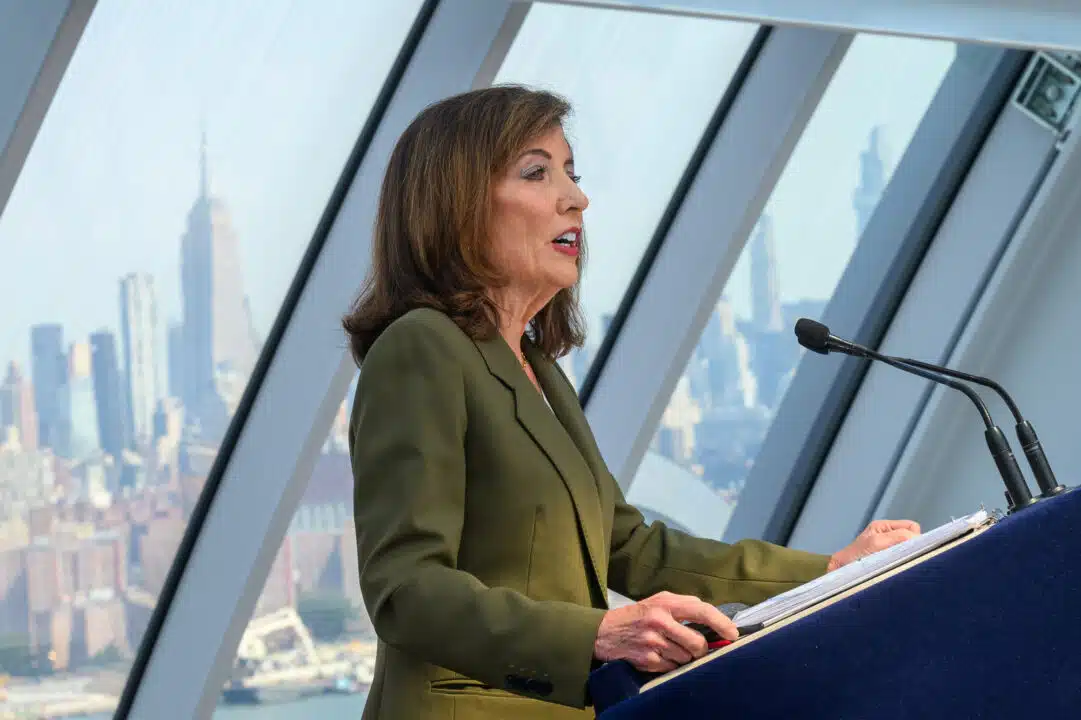
Gov. Kathy Hochul is calling for significant adjustments to New York’s landmark climate law, arguing that the state must balance aggressive emissions goals with the rising cost of energy for residents and businesses.
In a policy statement released Friday, Hochul said changes to the state’s Climate Leadership and Community Protection Act (CLCPA) are necessary to prevent steep increases in utility bills and fuel costs, while still maintaining long-term climate goals.
Proposed changes to New York climate law
Hochul’s plan centers on modifying how and when the state implements emissions reduction regulations under the CLCPA, a 2019 law that mandates major cuts to greenhouse gas emissions.
The governor is proposing:
- Delaying the requirement for issuing emissions regulations until the end of 2030
- Introducing a new 2040 emissions milestone while maintaining the existing 2050 targets
- Updating emissions accounting standards to align with federal and international methodologies
She said the adjustments would preserve the intent of the law while making compliance more realistic under current economic and political conditions.
A recent court ruling has added urgency to the issue, after a judge ordered the state to move forward quickly with regulations tied to the CLCPA’s 2030 targets — targets Hochul now argues are “costly and unattainable” without changes.
Rising energy costs driving policy shift
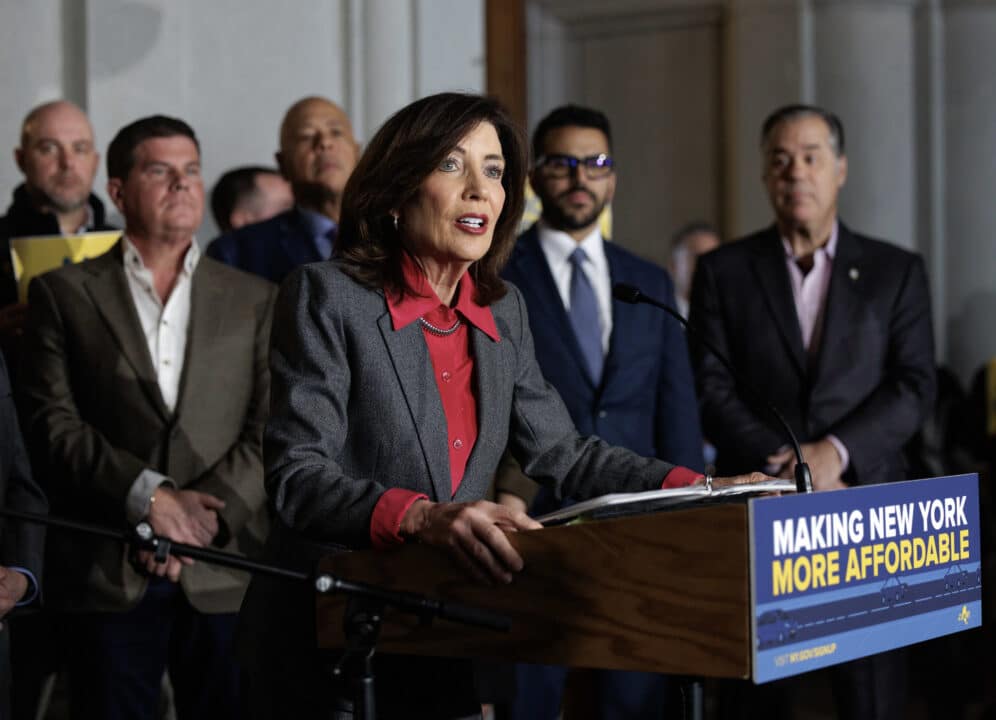
Hochul emphasized that affordability concerns are central to her proposal, pointing to inflation, supply chain challenges, and federal policy changes as key pressures on New York’s energy transition.
According to state analysis cited by the governor, meeting the current 2030 targets could increase annual household energy costs by:
- More than $4,000 for upstate households using oil or natural gas
- About $2,300 for New York City households using natural gas
Gasoline prices could also rise by an additional $2.23 per gallon beyond expected levels.
“These are costs I cannot allow New Yorkers to bear,” Hochul said, adding that utility rates in the state are already too high.
She also warned of potential energy supply issues, including projected shortages that could lead to brownouts or blackouts, particularly in downstate regions.
All-of-the-above energy strategy
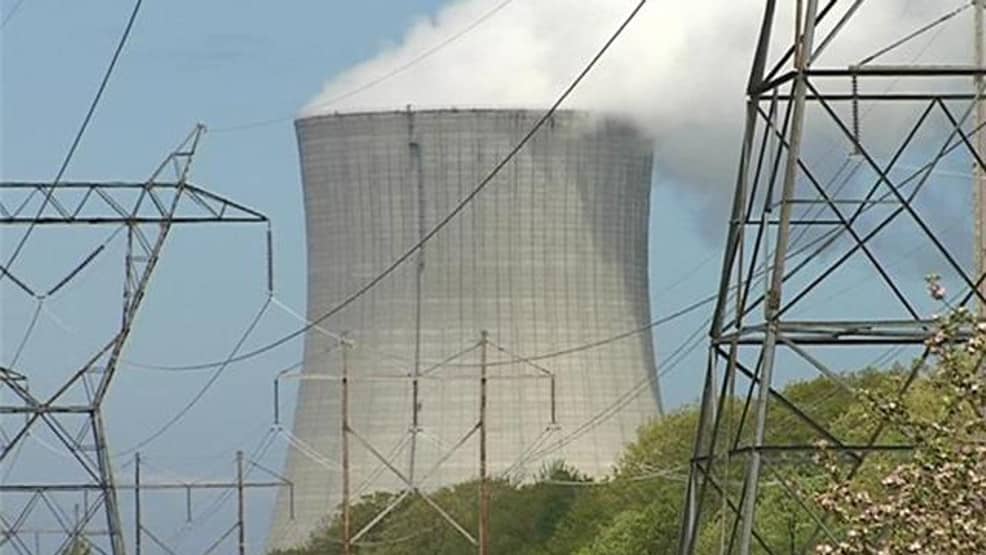
Alongside proposed legal changes, Hochul outlined a broader “all-of-the-above” energy strategy that includes expanding renewable energy while maintaining reliable sources such as nuclear power.
She also announced a Ratepayer Protection Plan aimed at:
- Increasing oversight of utility rate hikes
- Reforming how regulators evaluate rate requests
- Expanding access to energy affordability programs
The governor said these measures are designed to ensure reliability while easing financial pressure on consumers.
Federal headwinds and project delays
Hochul pointed to a changing federal landscape as a major obstacle, citing reduced support for renewable energy projects, tariffs increasing construction costs, and opposition to offshore wind development.
She also highlighted local challenges, including community opposition, zoning restrictions, and project siting difficulties that have slowed the deployment of renewable infrastructure across the state.
Despite those challenges, Hochul noted that New York has invested $88.7 billion in clean energy and has made significant progress, including meeting solar goals early and advancing major offshore wind and transmission projects.
Mixed reactions from stakeholders
The New York Farm Bureau expressed support for Hochul’s proposal, saying current CLCPA requirements would impose unsustainable costs on farmers and rural communities.
“Farmers support sustainability efforts, but they cannot support initiatives that make their livelihoods impossible,” said Farm Bureau President David Fisher, who called the proposed changes “long overdue.”
The group also backed a broader energy approach that includes renewable natural gas, nuclear power, and biofuels.
However, State Sen. Pam Helming criticized the proposal, arguing it does not go far enough to address affordability concerns.
“New Yorkers don’t need more delays, excuses, or shifting timelines. They need action,” Helming said, adding she will continue pushing to roll back mandates and reduce energy costs.
Balancing climate goals and affordability
Hochul maintained that the proposed changes do not weaken New York’s commitment to climate leadership but instead ensure the transition remains economically sustainable.
Even with the revisions, she said, New York would continue to have one of the most ambitious climate policies in the nation, alongside states like California, Washington, and Colorado.
The proposal now heads to the state Legislature, where lawmakers will weigh whether to adopt the changes as part of ongoing budget negotiations.
“The people of New York are counting on us to get this right,” Hochul said.

FingerLakes1.com is the region’s leading all-digital news publication. The company was founded in 1998 and has been keeping residents informed for more than two decades. Have a lead? Send it to news@fingerlakes1.com.