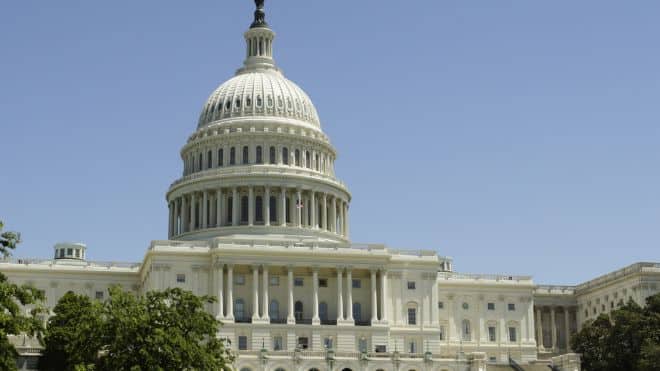
U.S. lawmakers are heading into a decisive week for cryptocurrency regulation, with more than 75 amendments filed ahead of a markup hearing by the Senate Banking Committee on a sweeping crypto market structure bill. The legislation could reshape how Bitcoin, stablecoins, exchanges, and decentralized finance platforms operate in the United States.
The unusually high number of amendments underscores both growing urgency in Washington and sharp divisions over how digital assets should be regulated. Crypto investors, exchanges, banks, and fintech firms are watching closely as outcomes from this week could influence U.S. crypto markets for years.
What the Crypto Market Structure Bill Aims to Do
At its core, the bill seeks to clarify which regulators oversee digital assets—primarily the Securities and Exchange Commission and the Commodity Futures Trading Commission—while defining when a token is treated as a security or a commodity.
Supporters say clearer rules could:
- Encourage institutional investment
- Reduce legal uncertainty for exchanges and custody providers
- Keep crypto innovation onshore in the U.S.
Critics warn poorly written rules could restrict innovation or concentrate regulatory power.
Why Bitcoin Investors Are Paying Attention
Although the bill covers all digital assets, bitcoin holders could feel indirect effects through:
- Exchange compliance and custody costs
- Stablecoin liquidity that underpins bitcoin trading
- Institutional participation via ETFs, derivatives, and treasury adoption
Regulatory clarity is often seen as bullish for long-term bitcoin adoption, while overly restrictive changes could reduce liquidity and raise costs.
Stablecoin Yield Emerges as a Major Flashpoint
One of the most contested issues involves stablecoin yield and rewards. Several amendments target language that currently bars platforms from paying yield “solely” for holding stablecoins. Removing that single word could dramatically expand restrictions.

Why it matters:

- Stablecoins are central to bitcoin trading liquidity
- Yield limits could reduce demand and market depth
- DeFi platforms that support bitcoin trading could be affected
Bipartisan Momentum, Limited Agreement
Amendments have been filed by lawmakers from both parties, signaling bipartisan engagement but little consensus. Historically, many amendments are withdrawn or merged during negotiations, but the volume suggests the bill is far from final.
Ethics and Regulatory Control Still Unsettled
Ethics provisions remain unresolved, including concerns raised by Democrats over crypto ties involving President Donald Trump and his family. Senator Chris Van Hollen has proposed anti-corruption and disclosure requirements, while negotiations continue behind the scenes, according to reporting from CoinDesk.
Another debate centers on agency control, with concerns about partisan balance at the SEC and CFTC—an issue that could influence enforcement priorities and approvals for bitcoin-related products.
What Happens Next
The Senate Banking Committee is scheduled to hold its markup hearing Thursday. Lawmakers will debate amendments and vote on whether the bill advances to the full Senate. With the bill text released only days ago, negotiations are expected to intensify throughout the week.
Why This Week Matters for Crypto Markets
This legislation could directly affect:
- Stablecoin models supporting bitcoin liquidity
- Exchange operations and trading costs
- Institutional bitcoin adoption and ETF growth
- DeFi accessibility and legal protections
Markets often respond positively to balanced regulatory clarity—but react negatively to restrictive or uncertain frameworks.
The Bigger Picture
Crypto policy in Washington has entered a new phase. What was once theoretical is now moving into actionable law. As the largest and most established digital asset, bitcoin is likely to serve as the benchmark for how regulators measure success or failure.
For investors, developments from this markup could offer early signals on capital flows, volatility, and the future competitiveness of U.S. crypto markets.
Bitcoin Guides and Resources:
- Latest Bitcoin Updates and Headlines
- How Does Bitcoin Work?
- How to Buy, Trade, and Hold Bitcoin
- Track Bitcoin Volatility and Maximize Your BTC Investment

This content is brought to you by the FingerLakes1.com Team. Support our mission by visiting www.patreon.com/fl1 or learn how you send us your local content here.