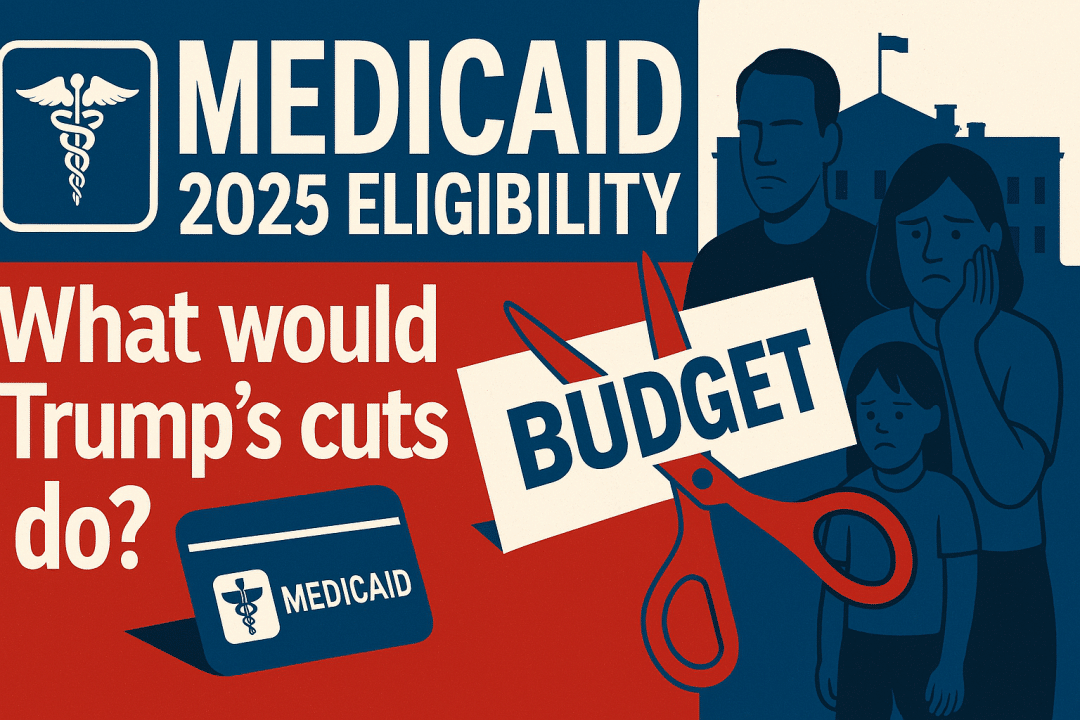
A controversial proposal in President Donald Trump’s sweeping domestic policy bill is generating fierce backlash across the country, as health care providers, state officials, and patients warn that dramatic cuts to Medicaid could threaten hospital viability and restrict care for millions.
What the bill proposes
The “Big Beautiful Bill,” narrowly passed in the House and now being finalized in the Senate, would deliver expansive tax breaks but is funded partly through deep cuts to social safety net programs. Among the most contentious provisions is the plan to incrementally reduce the Medicaid provider tax in states that expanded Medicaid under the Affordable Care Act.
The Senate version goes further than the House’s. While the House froze the tax, the Senate would reduce it. Lawmakers are discussing a rural hospital relief fund, but many say it won’t offset the damage.
Protests erupt in New York and Ohio
In Staten Island, over 40 health care workers protested outside Richmond University Medical Center (RUMC). They called on lawmakers to reject the Medicaid cuts. Protesters said RUMC, which relies on Medicaid for a third of its funding, could face layoffs and reduced services.
“Staten Island cannot afford to not have two hospitals,” said Diane Donaghy, NYSNA president at RUMC. “We need those funds.”
Sonia Mora-Santos, a medical assistant, described families already struggling with care costs. “If we have these cuts, then it’s too much of a cost to cover for a family who doesn’t already have it.”
RUMC President Daniel Messina urged caution but warned of serious consequences. “We may face major service reductions if the bill passes unchanged,” he said. “It’s mind-boggling that the only way to control costs is to cut a budget that helps those who need us most.”

In Ohio, state officials also raised concerns. The proposed cuts could undermine local plans to stabilize rural hospitals. Ohio’s Medicaid agency uses the provider tax to fund services, which could be at risk under the Senate’s changes.
Senate under pressure
Senate Republicans are negotiating the final bill language. Finance Committee Chair Mike Crapo (R-Idaho) is leading talks to soften the Medicaid provisions. Senators Susan Collins (R-Maine) and Josh Hawley (R-Mo.) have voiced major concerns. Hawley suggested the Senate’s language may not survive the House.
Dr. Mehmet Oz, head of the Centers for Medicare and Medicaid Services (CMS), privately urged Republicans to follow the House version more closely. He warned that radical changes to Medicaid could trigger political fallout.
Who is affected?
The Congressional Budget Office estimates the cuts could leave 8.6 million fewer people with health coverage over the next decade. Each month, 3 million fewer would receive SNAP benefits.
Hospitals, unions, and public health groups argue the policy will hurt children, seniors, and people with disabilities. These are the very people Medicaid was designed to protect.
Rep. Nicole Malliotakis (R-N.Y.) supported the House bill. She argued it targets fraud and encourages work for able-bodied adults without dependents. Critics say the savings come at a steep cost for vulnerable communities.
What happens next?
The Senate wants to finalize the bill by late June. A vote could come as early as Thursday. But growing dissent and warnings from hospitals may slow that timeline.
The final language on Medicaid will be critical. If provider tax cuts stay in the bill, hospitals from New York to rural Ohio could face serious challenges.

This content is brought to you by the FingerLakes1.com Team. Support our mission by visiting www.patreon.com/fl1 or learn how you send us your local content here.