


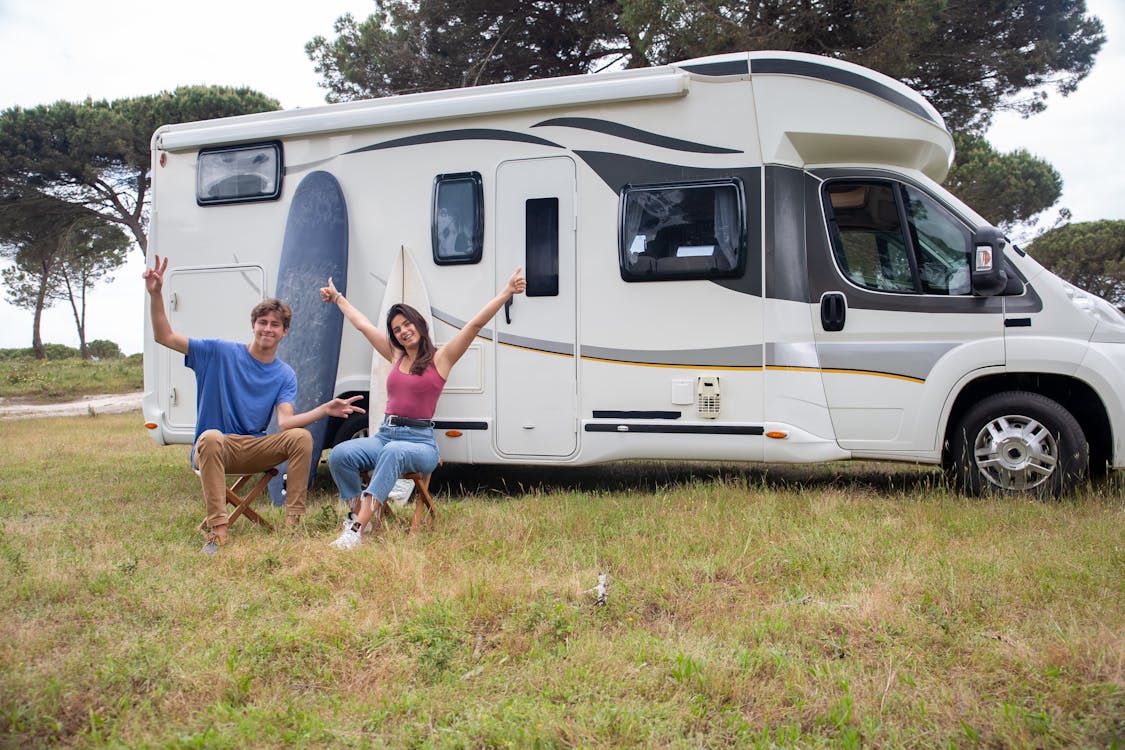
Selling a motorhome is a significant decision that requires careful planning and a good understanding of the market. As with any significant sale, learning the essential steps can make a big difference in how smooth and profitable your experience will be. From assessing the value to deciding where to list your vehicle, knowing what to expect can help you avoid common pitfalls.
Whether you’re ready to upgrade, downsize, or simply take a break from life on the road, knowing the best practices to sell your motorhome effectively will ensure you get the best deal possible. Researching your options and preparing your motorhome can set you up for a successful sale that meets your financial and timing goals.
Assess the Condition of Your Motorhome
The first step in selling your motorhome is to assess its current condition. This involves more than just a quick walk-around; take note of both cosmetic and mechanical issues. Look at the engine, tires, other mechanical aspects, and interior and exterior features. Consider whether there are any areas where minor repairs or cosmetic upgrades could add value.
If you find significant issues, think about whether it’s worth fixing them before the sale. For some buyers, purchasing a motorhome “as-is” can be appealing if they’re looking for a DIY project, but significant mechanical issues might scare away others.
Set a Realistic Price for Your Motorhome
Pricing your motorhome correctly is crucial—research comparable motorhomes on sites like RV Trader, Craigslist, and other RV sale platforms. Look for motorhomes that match your make, model, age, and condition. Knowing what similar vehicles sell for can give you a solid baseline price and help you attract serious buyers.
Pricing too high can cause your listing to sit without interest, while pricing too low might mean losing out on potential profit. Be realistic about the value of your motorhome, considering factors like mileage, wear and tear, and any upgrades or customizations you’ve added. If in doubt, consider getting an appraisal or speaking with a dealership for a second opinion.
Prepare Your Motorhome for Sale
Clean your motorhome thoroughly inside and out to make a great first impression. A clean, organized space appeals to buyers and can increase your vehicle’s perceived value.
- Interior: Vacuum the carpets, wipe surfaces, and clear out personal items: clean kitchen appliances, sinks, and the bathroom area.
- Exterior: Wash and wax the exterior to give it a polished look. Consider touching up any small paint chips or scratches, as these small details can significantly impact.
- Organize storage areas: Buyers will likely check storage compartments, so keep them tidy and clear out any clutter.
These small steps can substantially affect buyers’ perception of your motorhome’s condition and value.
Gather Important Documentation
Having the proper paperwork on hand can simplify the selling process. Collect maintenance records, receipts for repairs, and any documents related to modifications or upgrades. Buyers appreciate knowing the service history, which can help them feel more confident purchasing your motorhome.
Documentation should include the title, registration, and warranty information, if applicable. Be prepared to answer questions about past repairs or accidents, as buyers may ask for details about the motorhome’s history. With clear records, you can provide an honest picture of the motorhome’s condition, which can help avoid any surprises for the buyer later.
Choose the Right Selling Platform
Choosing where to list your motorhome is as important as setting the price. Multiple options are available, each with its advantages.
Consider websites dedicated to RV sales for online listings, such as RV Trader, eBay Motors, or Facebook Marketplace. These platforms reach a broad audience, including people explicitly searching for motorhomes. Local classifieds, such as Craigslist, can also be helpful, especially if you prefer to sell to a local buyer and avoid shipping or long-distance transactions.
RV dealerships may also offer a consignment option, which can simplify the sale if you don’t want to manage the listing and buyer interactions. Consignment can be convenient while they take a commission, particularly if you’re pressed for time.
Be Prepared for Buyer Questions and Negotiations
Selling a motorhome often means answering many questions from interested buyers. Be ready to provide information about the vehicle’s history, condition, and features. Expect questions about fuel efficiency, the condition of appliances, and any issues or quirks that might come with an aging motorhome.
When negotiating, be clear about the lowest price you’re willing to accept. Many buyers may try negotiating a lower price, so knowing your bottom line in advance can help you feel confident. Being honest and direct can foster trust and encourage a smoother sale.
Finalize the Sale and Transfer Ownership
Once you agree on a price with a buyer, prepare for the final steps of the sale. Ensure you have a bill of sale and that all required fields are filled out correctly to reflect the transaction details. Check your state’s requirements regarding title transfer, as some states may need specific forms or documents.
Provide the buyer with a copy of the vehicle’s service records and any other documentation you gathered earlier. The goal is to complete the transaction legally and in a way that protects you and the buyer. Once ownership has been transferred, remember to cancel any insurance policies you held on the motorhome.
Getting the Most from Your Motorhome Sale
Selling your motorhome can be straightforward with the proper preparation. Taking time to assess the condition, set a realistic price, and prepare your motorhome for sale helps you make a strong impression on buyers. Choosing the right platform, gathering essential documents, and being open and honest in your communications will improve your chances of a smooth and successful transaction.
With these steps, you’ll be well-prepared to sell your motorhome and make the most of your investment.

This content is brought to you by the FingerLakes1.com Team. Support our mission by visiting www.patreon.com/fl1 or learn how you send us your local content here.