

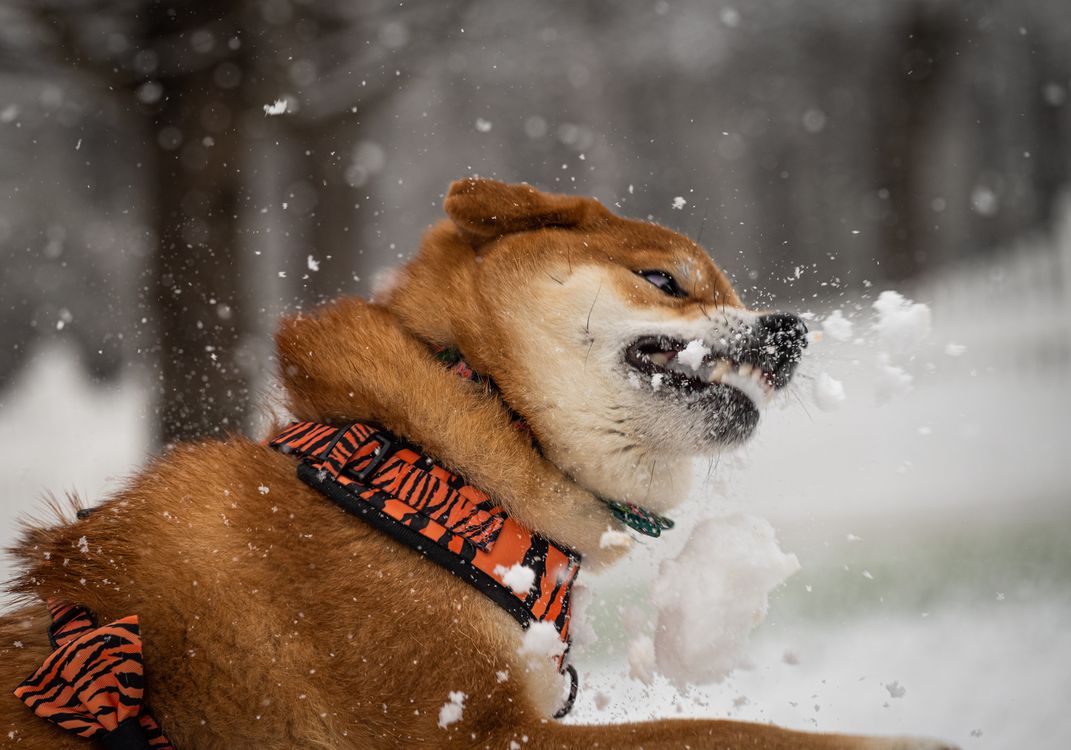
Dog bites can be traumatic for both the victim and the pet owner. The emotional, physical, and financial impacts of a dog bite injury can be significant, especially when it comes to legal consequences. One of the most common questions victims ask after a dog bite is, “Who’s at fault?” Understanding how liability is determined in dog bite cases can help you navigate the legal process and ensure you know your rights as a victim or a pet owner. If you’ve been bitten by a dog, consulting with an experienced Albuquerque dog bite attorney can provide the guidance you need to understand your case and pursue the compensation you deserve.
The Basics of Dog Bite Liability
In general, liability for dog bites is determined by the laws in the state where the incident occurred. Dog bite laws vary from state to state, but the key factor in most cases is whether the dog’s owner can be held responsible for the victim’s injuries. There are a few common legal theories used to determine fault in dog bite cases:
Strict Liability
In some states, strict liability applies when a dog bites someone. This means the dog owner is automatically held responsible for the injuries caused by the bite, regardless of whether the owner knew the dog was dangerous or had a history of aggression. Strict liability typically applies when the bite occurs in a public place or when the victim is legally on private property (e.g., a delivery person, guest, or mail carrier).
Key Points of Strict Liability:
- The dog does not have to have a prior history of aggression or vicious behavior.
- The victim does not need to prove that the owner was negligent in any way.
- States like California and New York often apply strict liability for dog bites.
Negligence
In other states, a dog owner may be found liable for a dog bite if the victim can prove the owner was negligent. This means the dog owner failed to take reasonable precautions to prevent the attack. For example, if a dog owner allows their pet to roam free without a leash, or if the dog has a known tendency to be aggressive and the owner fails to warn others, negligence may apply.
Key Points of Negligence:
- The victim must prove that the dog owner did not act with the proper care or caution.
- The dog’s history of aggression or dangerous behavior plays a key role in negligence cases.
- States like Texas and Florida often follow a negligence standard for dog bite cases.
One-Bite Rule
A few states follow the “one-bite rule,” which allows a dog owner to avoid liability if the dog has not previously bitten anyone or shown aggression. Essentially, the dog is given a “pass” for its first bite. However, once a dog has bitten someone or shown signs of dangerous behavior, the owner may be liable for future attacks.
Key Points of the One-Bite Rule:
- The dog is only considered dangerous after it has bitten someone or exhibited aggressive behavior.
- The owner must be aware (or should have been aware) of the dog’s tendencies to bite.
- States like Michigan and New Jersey follow the one-bite rule in certain circumstances.
Comparative Negligence
In some cases, both the victim and the dog owner may share some degree of fault for the attack. For example, if the victim provoked the dog or ignored warnings to stay away, the court may find the victim partially responsible. In these cases, liability may be divided between the dog owner and the victim based on the percentage of fault each party holds.
Key Points of Comparative Negligence:
- Both parties can be found partially at fault for the injury.
- Damages are reduced according to the percentage of fault assigned to the victim.
- Many states, such as Colorado and Illinois, use comparative negligence in dog bite cases.
Factors That Affect Liability
Several factors may influence how liability is determined in dog bite cases, including:
- Previous Aggressive Behavior: If the dog has previously bitten someone or shown aggression, this can strengthen the case for liability. In strict liability states, the dog’s history does not need to be considered, but in negligence or one-bite rule states, past behavior is often a key factor.
- Signs of Provocation: If the victim provoked the dog, such as by teasing or threatening it, the owner may not be held responsible, especially in comparative negligence jurisdictions. However, provocation is often a nuanced issue that requires a thorough investigation.
- Location of the Incident: Where the bite occurred can also impact liability. For instance, if the bite happened in a public space or while the victim was legally on private property, strict liability may apply. But if the victim was trespassing, the dog owner may not be liable.
- Owner’s Knowledge of the Dog’s Behavior: In negligence cases, the owner’s knowledge of the dog’s aggressive behavior is crucial. If the dog had a history of aggression and the owner failed to take preventive measures, the owner may be found negligent.
Defenses to Dog Bite Liability
Dog owners may raise several defenses in dog bite cases, including:
- Provocation: The owner may argue that the victim provoked the dog, which led to the bite.
- Trespassing: If the victim was on the owner’s property without permission (i.e., trespassing), the owner may not be held liable.
- Contributory Negligence: In some states, if the victim is found to be at fault, they may not recover any damages. In others, damages are reduced based on the victim’s contribution to the injury.
Determining liability in dog bite cases can be complex and depends on various factors, including state laws, the behavior of the dog, and the actions of the victim. Whether you’re a victim seeking compensation for your injuries or a dog owner trying to understand your responsibilities, it’s important to understand how dog bite laws work in your state.

This content is brought to you by the FingerLakes1.com Team. Support our mission by visiting www.patreon.com/fl1 or learn how you send us your local content here.