

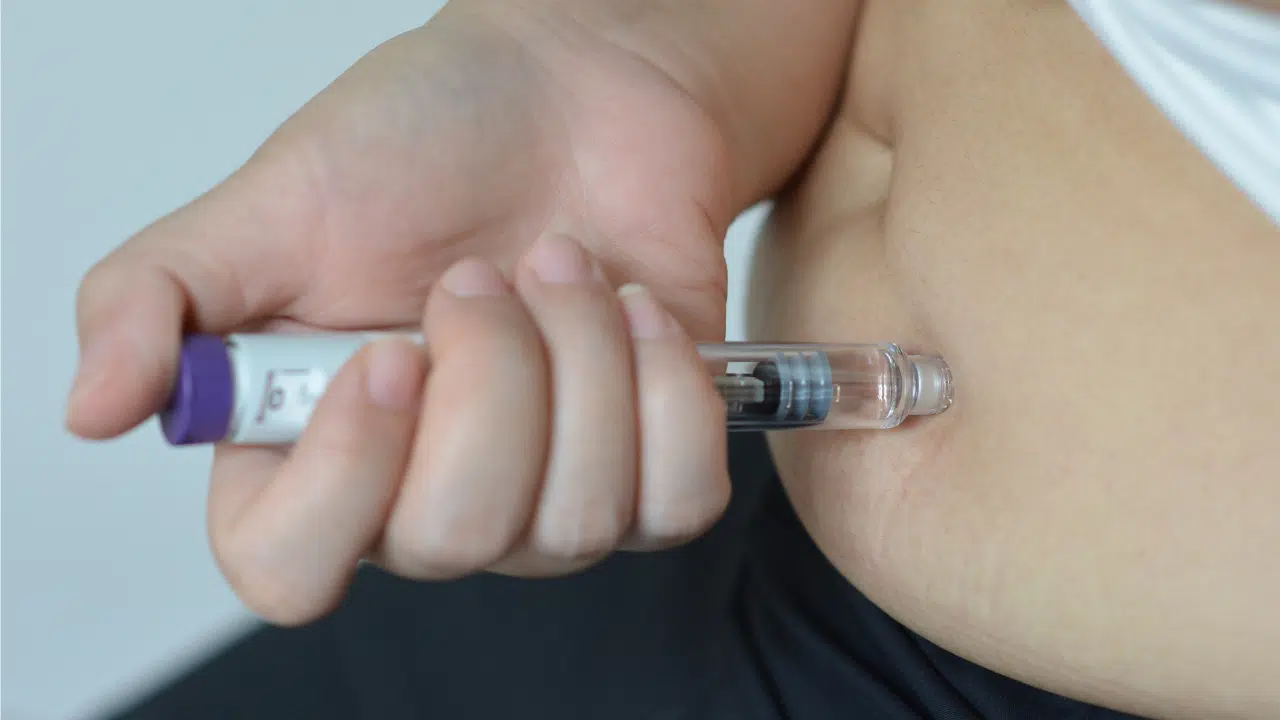
As medications such as Ozempic, Wegovy and Zepbound become increasingly common, doctors in Rochester are warning patients about a newer trend spreading online: taking GLP-1 drugs in smaller or less frequent doses than prescribed.
University of Rochester Medicine says there’s currently little research showing whether so-called GLP-1 “microdosing” is safe or effective, even as the practice gains attention on social media. Rochester health experts are also raising concerns about compounded versions of the medications that can be marketed online as cheaper or more flexible alternatives to FDA-approved drugs.

GLP-1 microdosing generally refers to taking a smaller dose or taking the medication less frequently than the prescribed schedule, according to UR Medicine endocrinologist Dr. Adnin Zaman. Patients may be drawn to the practice because they hope to lower medication costs, reduce side effects or maintain their weight after reaching a goal.
But Zaman says social media and online advertising have helped drive interest in a practice that hasn’t been backed by the same clinical research as standard dosing.
“There is not enough research to know whether GLP-1 microdosing works as well as standard GLP-1 doses,” UR Medicine said in guidance released this week. Much of what’s currently available comes from individual experiences shared online rather than clinical studies, which doctors say can’t establish whether the practice is safe or effective across a broader population.
That matters because GLP-1 medications are already typically introduced gradually. Patients generally begin at a low dose before increasing it over time, a process intended to reduce side effects while allowing health care providers to monitor how the patient responds.
Changing that schedule without medical guidance could affect both safety and results, according to UR Medicine.
Rochester experts also raise concerns about compounded drugs
The growth of microdosing has overlapped with another major change in the GLP-1 market: increased availability of compounded versions of the medications.
Compounding pharmacies make customized medications by mixing, combining or altering ingredients. In the case of a compounded GLP-1, a pharmacy could modify an FDA-approved drug or make a product using a separately obtained active pharmaceutical ingredient.
UR Medicine says some patients turn to compounded GLP-1 medications because of their cost or during shortages of brand-name drugs. But health officials stress that compounded products aren’t the same as their FDA-approved counterparts.
Cristin Sciortino, assistant director of Central Pharmacy Services at UR Medicine, said compounded GLP-1 medications aren’t reviewed by the FDA for safety, effectiveness or quality before they’re dispensed.
The difference is significant for injectable medications.
FDA-approved GLP-1 medications are manufactured under federal oversight, with their safety, effectiveness and quality evaluated. Compounded medications are prepared by individual compounding pharmacies, and their safety, quality and sterility can vary depending on how and where they’re produced.
UR Medicine also cautions that compounded versions may use active ingredients from different sources and shouldn’t be assumed to be interchangeable with FDA-approved medications.
Sterility is another concern because GLP-1 medications are injected.
Injectable drugs need to be prepared under strict sterile conditions to avoid contamination. Improper equipment, environments or procedures can create contamination risks and potentially harm patients, according to UR Medicine.
For patients who are considering a compounding pharmacy, Rochester pharmacy experts recommend asking whether it follows USP guidelines for sterile compounding and whether injectable products are prepared in a cleanroom. The answer to both questions should be yes, according to UR Medicine.
Doctors say GLP-1s shouldn’t become a ‘one-click’ product
The broader concern from Rochester health experts isn’t that GLP-1 medications themselves are unsafe. Instead, it’s how they’re being used as demand for weight-loss treatment grows and online companies make the drugs easier to access.
Zaman said the medications can be highly effective for appropriate patients but should remain part of medical care rather than becoming what he described as a “low-touch, one-click consumer product.”
UR Medicine recommends patients obtain GLP-1 medications through their physician or health care team and continue being monitored throughout treatment.
The health system also stresses that medication is generally one part of a larger weight-management plan. That can include nutrition counseling, regular physical activity, strength training when appropriate and continued follow-up with medical providers.
For patients being treated for obesity, Zaman said that care may be long term because obesity is a chronic, relapsing disease. Successful treatment doesn’t necessarily mean the underlying condition has disappeared; it means the condition is being managed.
That’s also why Rochester doctors are urging patients interested in microdosing not to alter their medication schedule based on advice circulating online.
For now, the evidence simply isn’t there.

FingerLakes1.com is the region’s leading all-digital news publication. The company was founded in 1998 and has been keeping residents informed for more than two decades. Have a lead? Send it to news@fingerlakes1.com.