

Public safety careers rarely develop along a single track. The practitioners who reach senior leadership typically arrive there through sustained operational commitment, deliberate credentialing, and the willingness to build competence in disciplines beyond a primary role.
Chuck Ternent, retired Chief of Police of the Cumberland Police Department in Cumberland, Maryland, reflects that model through a 30-year career spanning law enforcement command, emergency medical services, volunteer fire service, and regional disaster recovery leadership. The breadth of that career reflects a consistent approach to professional development, from early field work through department command and into post-retirement public service.
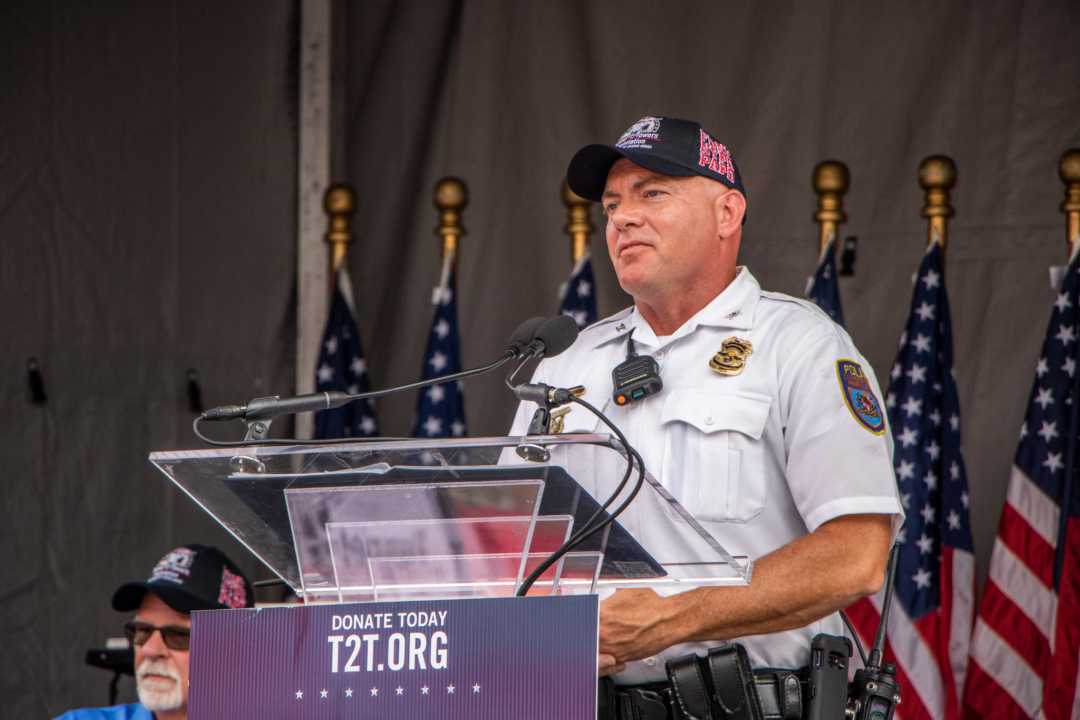
Early Career and the Decision to Build Across Disciplines
Chuck Ternent joined the Cumberland Police Department in 1993. Before that entry into law enforcement, and concurrently with building toward it, the public safety leader pursued certification in emergency medical services, becoming one of Maryland’s youngest certified paramedics in the mid-1990s.
That credential was not a transitional step toward law enforcement. It was an early demonstration of a career-long pattern: building operational competence in adjacent disciplines rather than narrowing focus to a single specialty. The foundation behind Chuck Ternent Cumberland Chief of Police reflects that combination of field experience, technical training, and public service commitment.
Becoming One of Maryland’s Youngest Certified Paramedics
Paramedic certification requires sustained training in anatomy, pharmacology, advanced airway management, trauma care, and emergency assessment under field conditions. Achieving that certification while also pursuing a law enforcement career produced a practitioner who arrived at patrol with a working understanding of pre-hospital medicine.
That cross-training influenced the practical judgment the former Cumberland police chief brought to later roles, from patrol through detective work, supervisory assignments, and department command. The ability to understand emergency scenes from multiple public safety perspectives became part of the professional foundation that shaped the rest of the career.
In parallel, the public safety leader maintained active volunteer firefighter service throughout the law enforcement career, eventually rising to the rank of Assistant Fire Chief. Volunteer fire service requires training maintenance, response availability, and operational coordination under dangerous conditions. Sustaining that commitment across three decades, while serving in an increasingly senior law enforcement role, reflects a high level of concurrent professional engagement.
Law Enforcement Leadership at the Cumberland Police Department
Within the Cumberland Police Department, Chuck Ternent advanced through patrol, detective assignments, and supervisory roles before being appointed Chief of Police in 2019. That appointment placed the former police chief at the command of a department serving a mid-sized Maryland city with a full range of operational demands, including patrol, major crimes, community engagement, personnel oversight, policy management, and budget responsibilities.
The chief of police role also carried direct responsibility for institutional standards. That includes how a department trains officers, documents policies, manages accountability, and sustains professionalism across daily operations. For the Cumberland Chief of Police, those responsibilities required both operational judgment and administrative discipline.
CALEA Gold Standard Accreditation in 2022
In 2022, under Chuck Ternent’s leadership, the Cumberland Police Department earned CALEA Gold Standard accreditation. CALEA, the Commission on Accreditation for Law Enforcement Agencies, sets professional standards across operational and administrative areas including use-of-force policy, evidence management, personnel evaluation, and training documentation.
For a department and its leadership, CALEA Gold Standard accreditation is a verifiable institutional credential. It must be earned through documented compliance evaluated by external assessors. The career record also includes FBI National Academy completion, graduate degrees in Justice Studies and Public Safety Management, and certifications in hostage negotiation and tactical medicine.
Leading Through Operational Pressure
The period from 2019 through 2025 required steady leadership across changing public safety conditions. Departments across the country faced operational disruption, staffing pressures, evolving public expectations, and the need to maintain service continuity while managing limited resources.
For the Cumberland Police Department, maintaining accreditation and earning the Gold Standard designation in 2022 required institutional discipline. It also required active policy management, personnel development, and a consistent commitment to documented standards.
The record of Chuck Ternent public safety leadership during this period is best understood through the practical responsibilities of command. A police chief must manage operations, training, policy, public communication, interagency coordination, and internal accountability at the same time. Sustaining that work during a demanding period reflects the type of disciplined leadership described in the broader public safety career.
From Police Chief to Disaster Recovery
Chuck Ternent retired from the Cumberland Police Department in 2025. The appointment that followed continued the same public service focus. After the May 2025 flooding that affected communities across Western Maryland, the retired police chief was appointed Chair of the Western Maryland Flood Recovery Committee.
That role required multi-agency coordination, resource allocation across governmental and nonprofit organizations, and sustained leadership over a long-term recovery timeline. Disaster recovery committee leadership draws on many of the same competencies as senior law enforcement command, including the ability to coordinate organizations with different missions, maintain accountability, and sustain organized effort after the first phase of an emergency has passed.
The appointment reflects the nature of the career that preceded it. The 30 years spent building competencies across law enforcement, fire service, and emergency medicine prepared the public safety leader for a role centered on recovery, collaboration, and community resilience.
Community Resilience and Long-Term Public Service
Public safety leadership does not end when an emergency response concludes. Long-term recovery often requires planning, follow-through, and coordination among agencies, faith-based groups, nonprofits, local leaders, and residents. In Western Maryland, flood recovery work depends on that kind of sustained collaboration.
The focus of Chuck Ternent disaster recovery leadership is consistent with the broader career record. Law enforcement command, fire service, emergency medical training, and disaster recovery each require composure under pressure and the ability to make decisions in environments where the consequences matter. Together, those disciplines form a public safety profile rooted in service, accountability, and practical leadership.
About Chuck Ternent
Chuck Ternent is the retired Chief of Police of the Cumberland Police Department, with more than 30 years of experience in law enforcement, emergency medical services, and fire service based in Cumberland, Maryland. Also known professionally as John “Chuck” Ternent, credentials include a degree in Justice Studies, a graduate degree in Public Safety Management, and completion of the FBI National Academy. Professional certifications span hostage negotiation, tactical medicine, and paramedic services. Areas of expertise include law enforcement command, CALEA accreditation, multi-agency emergency response, major crimes investigation, and disaster recovery leadership. Explore Chuck Ternent’s professional background and career history for additional detail.

This content is brought to you by the FingerLakes1.com Team. Support our mission by visiting www.patreon.com/fl1 or learn how you send us your local content here.