

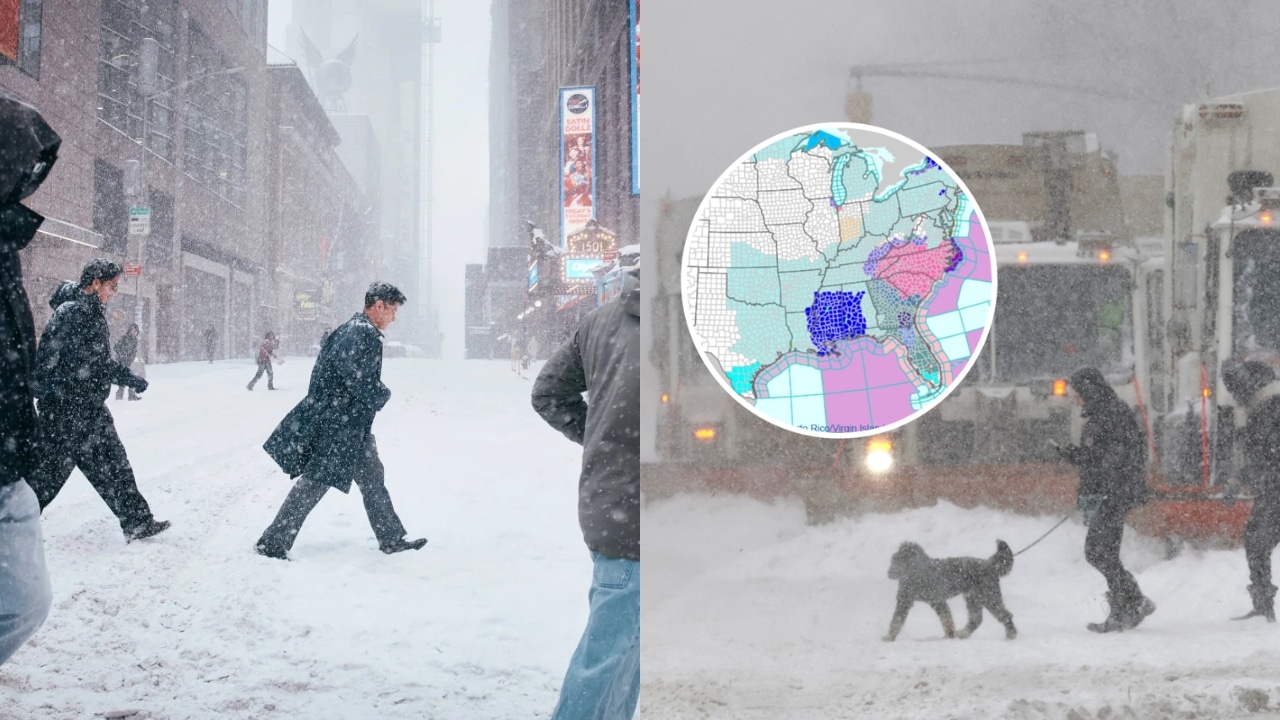
Heavy winds are forecast as a major winter storm is expected to bring a devastating weather system to parts of the U.S. Higher elevations will first feel the brunt of snow and wind, followed by neighboring regions. Officials are urging local residents to prepare for fast-shifting weather conditions that could bring heavy snow and high winds, reducing visibility to near zero in places. Snow and strong winds might create the potential for power outages, road closures, and disruption of normal activities.
Winter Storm Warnings
A Winter Storm Warning is in place for numerous mountain areas where snowfall of over 32 inches and wind gusts near 60 mph are expected. Weather experts are warning that the heaviest snow will be in higher elevations, but lower areas may also see significant accumulations. Travelers are advised to avoid non-essential travel at the height of the storm, when driving will be particularly hazardous due to slick roads, whiteout conditions, and drifting snow.
Mountain areas will receive up to 32 inches of snow
The heaviest snowfall will be in higher elevations, where periods of moderate to heavy snow will continue throughout the storm. Some mountain towns could see over two feet of new snow, with some isolated areas receiving over 32 inches before the system exits.
Along highways and mountain routes, occasional strong snowfall rates are expected with rapid accumulation. Authorities also warn that roads prepared ahead of the storm could soon become snow-covered, making travel difficult or impossible. People living in higher altitudes should prepare for travel restrictions and stock up on essential supplies until conditions improve.
High winds could trigger blizzard conditions
The storm may dump heavy snow and bring high wind gusts up to 60 mph in vulnerable locations, the National Weather Service predicts. High winds will also push snow over highways, drastically reducing visibility and increasing the possibility of whiteouts.
Utility workers are prepared for potential outages, and emergency officials urge residents to keep flashlights, charged cell phones, and emergency supplies on hand.
Travel conditions expected to deteriorate rapidly
When the storm reaches its peak, travel could become extremely hazardous, weather officials said. The worst conditions are anticipated on mountain highways and major passes, with snow-covered roads and low visibility causing hazardous driving conditions.
Travelers should expect some delays or cancellations, especially at airports located within winter weather warning zones. Long-distance travelers are encouraged to check road conditions, weather predictions, and airline updates before departing.
Emergency management agencies strongly recommend keeping winter emergency kits—containing blankets, food, water, and tire chains—handy for motorists who must travel through snow-covered areas.
Citizens asked to brace for arrival
People are being urged to complete preparations before the weather worsens. This means preparing automobiles for winter and stocking up on additional food, water, prescriptions, and batteries for several days, and securing outdoor items that could be blown away by severe winds.
People are also encouraged to keep an eye on revised forecasts as snowfall totals and alert regions may vary as the storm proceeds. Officials are urging people to stay indoors during periods of heavy snow and strong gusts.

Akash Negi focuses on weather coverage that helps readers stay prepared, from daily forecasts and seasonal changes to storm alerts, temperature shifts, and weather-related updates. His reporting provides clear and timely information for people planning their day, travel, and local activities.