

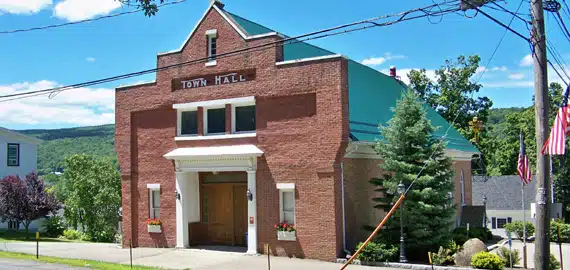
The Town of Middlesex failed to properly bill, collect and track thousands of dollars in code enforcement revenues over a decade, according to a new audit from the New York State Comptroller’s Office that identified more than $31,000 in unrecovered engineering fees and other financial oversight shortcomings.
The audit examined code enforcement operations from January 2015 through December 2025 and found that town officials did not ensure revenues were accurately billed, collected, deposited, recorded or reported. Auditors said the lack of oversight left the town without complete financial records needed to make informed decisions and increased the risk of errors, lost revenue and financial irregularities.

According to the report, the town’s code enforcement office processed 784 building permits and 313 applications during the audit period and collected more than $190,000 in fees. However, auditors found that town officials failed to bill applicants for all engineering services provided and did not recover a significant portion of costs incurred by the town.
The comptroller’s office determined that the town did not bill applicants for engineering services totaling $56,718 and ultimately failed to recover $31,277 in engineering fees for which the town itself had been billed. Auditors also found two engineering invoices totaling $2,091 that were overpaid and three invoices totaling $2,150 that remained unpaid.
The report attributes many of the problems to a lack of written policies and procedures governing the code enforcement office. Auditors said responsibilities for billing, collecting and tracking revenues were not clearly defined and financial duties were not adequately segregated. Town officials also failed to maintain logs of engineering fee receivables, making it difficult to determine whether all fees were billed and collected.
Auditors found that 10 code enforcement payments totaling $13,139 were incorrectly recorded because the former code enforcement officer did not provide adequate descriptions when submitting payments to the town clerk. The report also noted that the former code enforcement officer did not prepare regular written reports detailing code enforcement activities and financial information for the Town Board.
The audit further revealed that the former code enforcement officer’s state certification was inactive during 2023, 2024 and part of 2025 while she remained employed by the town. Auditors noted the issue in the report while reviewing the office’s operations.
Town officials largely agreed with the audit’s findings. In a written response, officials said concerns about fee collection and billing practices came to light earlier this year, prompting the board to terminate the former code enforcement officer and request assistance from the comptroller’s office. Officials said new procedures have already been implemented, including monthly reporting, enhanced oversight and collaboration among the code office, town clerk and supervisor. A formal written policy is also being developed.
The comptroller’s office issued eight recommendations, including adopting formal policies, improving reporting requirements, maintaining supporting documentation, reconciling fees billed with payments received and pursuing recovery of outstanding engineering fees.

FingerLakes1.com is the region’s leading all-digital news publication. The company was founded in 1998 and has been keeping residents informed for more than two decades. Have a lead? Send it to news@fingerlakes1.com.