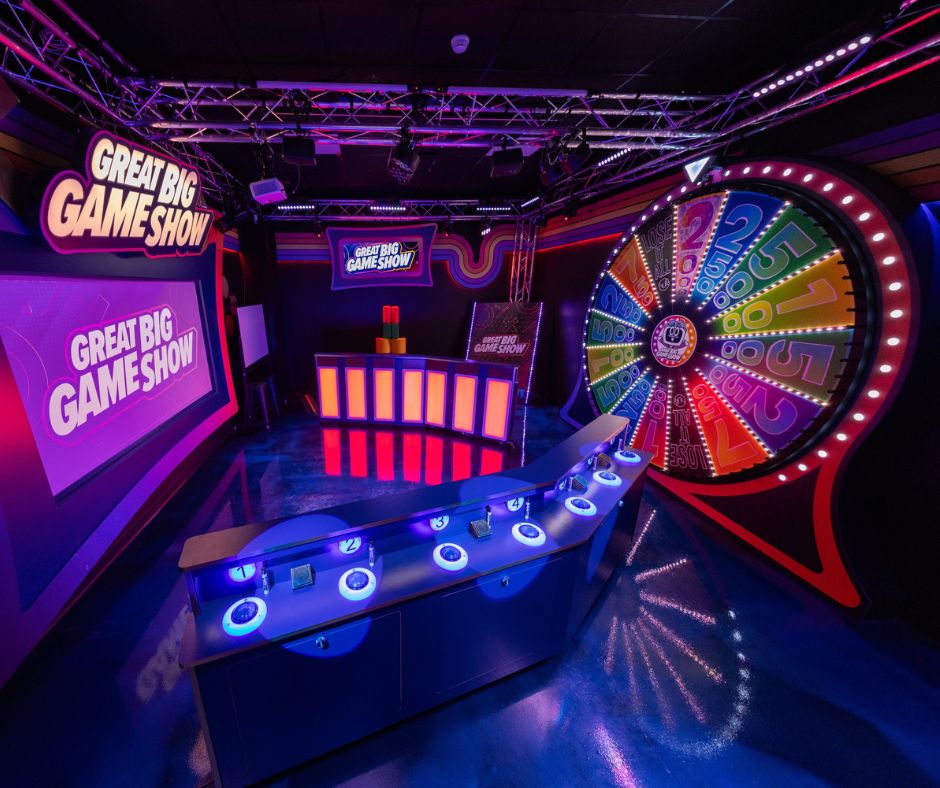
The game show market in the United States is seeing a notable rebound after several years of decline. Starting around 2022, a genre many had written off is back in the spotlight for both viewers and the industry. New projects are emerging, familiar formats are returning, and ratings are steadily climbing. Analysts link this turnaround to two main factors: viewer fatigue with endless streaming and binge-watching of series, and a growing demand for “real, in-the-moment” emotions that are hard to get from algorithm-driven recommendations on streaming platforms.
Among the notable returns are Wheel of Fortune, Jeopardy! and Family Feud. These long-running franchises are familiar to several generations of Americans, yet their current on-air presence is far from a simple rerun. Each format has been refreshed to match changing viewing habits and the pace of content consumption.
Why audiences want that “here and now” thrill again
Passive content consumption, where one series replaces another, has gradually lost its edge. Audiences began looking for a sense of occasion, unpredictability, and a feeling of being part of it. Game shows turned out to be the answer to that demand: each episode becomes a unique event with an outcome you can’t predict.
Social media also played a distinct role in the genre’s revival. Viral clips from episodes—where a contestant unexpectedly wins a large sum or fails on the final question—go viral on TikTok and YouTube, sparking heated discussion. Viewers argue in the comments, picture themselves in the same situation, and share reactions. All of this creates a “shared event” effect that keeps anticipation high for the next episode.
Audience growth is sustained not only by nostalgia, but also by technologies that turn viewers from observers into active participants right during the broadcast.
Interactivity changes the rules: viewers become part of the game
Modern game shows are designed with the assumption that viewers have a smartphone in hand. Content in this format is not only aired on TV, but also distributed online. This becomes obvious if you look at a live show popular with American viewers. Most of them are optimized for comfortable viewing on small smartphone screens. And watching them in that format is just as comfortable as on the huge screens of modern TVs.
Second-screen use alongside the TV screen has become not just a side effect, but part of the game mechanics. Audiences vote, submit answers, and shape what happens through apps. Instant feedback (real-time viewer responses) turns at-home viewing into something resembling an interactive livestream.
Among the standout examples of new projects, a few are worth highlighting:
- The Floor on Fox, where contestants compete to claim territory on a digital map, combining a knowledge-based contest with a visually compelling strategy element
- The Generation Gap, in which grandmothers and grandchildren, on equal footing, identify memes and classic songs, turning the generation gap into an advantage in the game
- Numerous on-air experiments with QR codes, viewer voting, online polls, and challenges launched in real time
The genre’s appeal today largely rests on a sense of shared experience. Even while sitting at home, viewers feel like part of a large group: they react strongly to contestants’ wins and losses, share emotions in the comments, and feel that everything is happening “here and now.” Broadcast TV becomes a venue for a shared event again, rather than background noise over dinner.
Given how readily audiences respond to engagement, the natural next step for the industry is to expand formats beyond classic television and develop hybrid solutions.
Where game shows are headed: hybrids, collaborations, and new faces
Simply betting on nostalgia can’t hold interest for long, and producers understand that. Instead of copying the past, the industry is leaning into experimentation, boldly blending genres and formats. Notable directions include:
- Integration with online platforms and streaming services, a simultaneous broadcast with digital experiences.
- Bringing in creators and media personalities of a new generation as contestants and hosts.
- Blending the game show with comedic elements and stand-up comedy.
- Special “marathons” and event episodes designed for maximum reach.
In the coming years, the genre will most likely continue to transform. Interactivity and multiplatform distribution will gradually become the norm, and familiar TV games could change beyond recognition in the foreseeable future. Still, the exact contours of these changes remain up for debate for now.
Since 2022, game shows in the U.S. have returned to the conversation thanks to reboots of classic formats and the rapid rollout of interactivity. The genre’s core value is participation and shared emotional moments that once again make each broadcast an event.

This content is brought to you by the FingerLakes1.com Team. Support our mission by visiting www.patreon.com/fl1 or learn how you send us your local content here.