

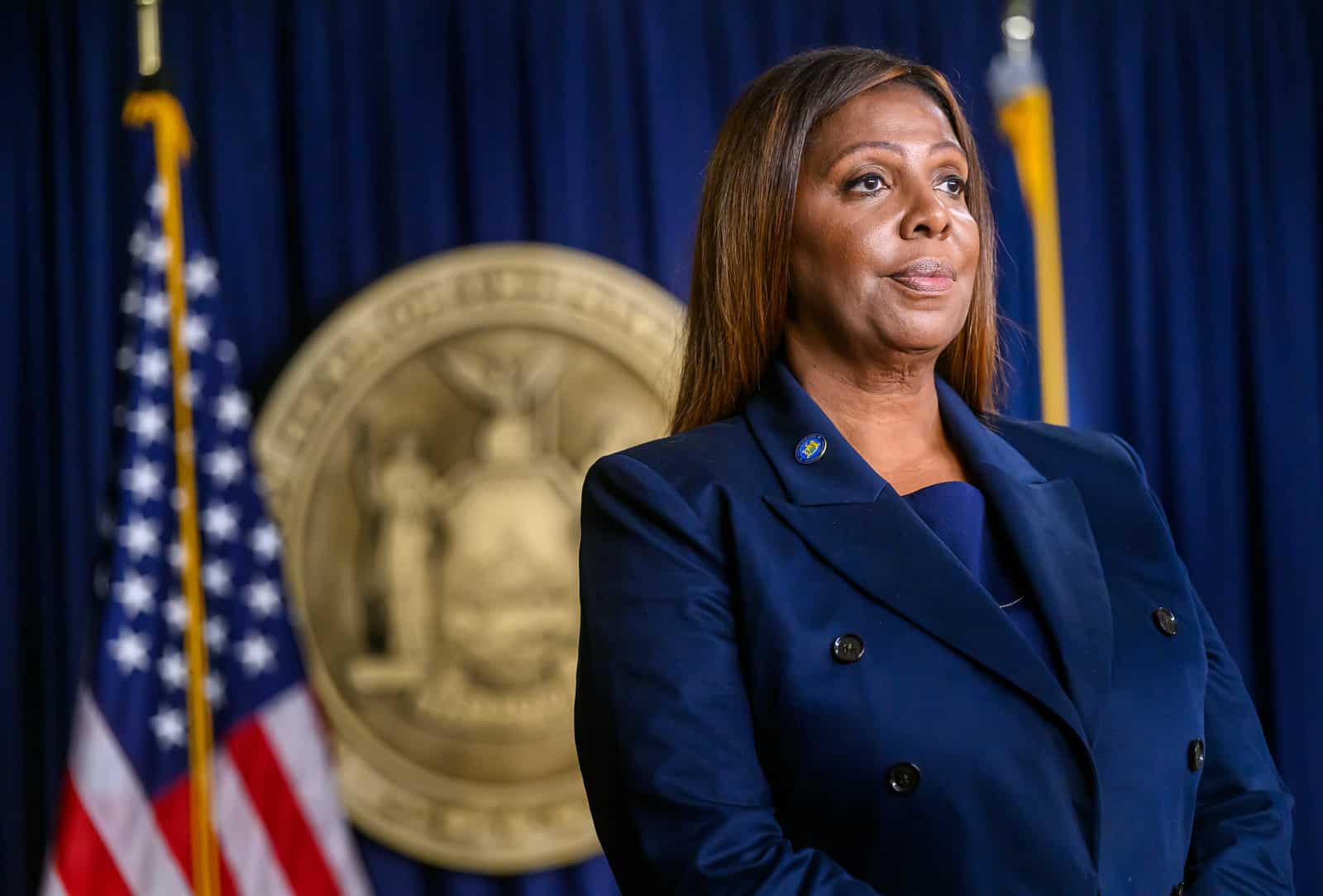
New York’s top law enforcement official is warning residents about a fast-growing scam that starts with friendship and ends with drained bank accounts.
Attorney General Letitia James issued a consumer alert Tuesday about so-called “pig butchering” scams, where fraudsters build trust with victims before convincing them to invest in fake opportunities.

Scammers use the phrase “pig butchering” to describe their own tactics. They “fatten up” victims by gaining their confidence, then take their money.
“Heartless scammers are using increasingly sophisticated means to prey on communities looking for connection and opportunity,” James said. “These fraudsters go to great lengths to gain trust and convince people to send them their savings, sometimes ruining their victims’ finances. I encourage all New Yorkers to remain vigilant and contact my office if they or a loved one is affected by one of these scams.”
The schemes often begin on social media, dating apps, through unsolicited text messages or online ads. After making contact, scammers typically move the conversation to encrypted platforms like WeChat or WhatsApp.
They spend weeks or even months building what appears to be a close relationship. In some cases, they pose as romantic partners. In others, they present themselves as successful financial advisors.
Once trust is established, the scammer pitches an investment opportunity, often tied to cryptocurrency or foreign currency trading. To make it look real, they share fake screenshots of large profits or photos of luxury homes, cars or jewelry they claim to own.
Victims may receive links to fraudulent websites that resemble legitimate banks or investment firms, sometimes with slightly altered names. Online account statements may show large, fake gains.
Encouraged by what appears to be success, victims invest more money. When they try to withdraw funds, they cannot. Scammers may demand fake withdrawal fees or taxes before cutting off contact entirely.
The attorney general’s office released an online guide outlining warning signs. James urges New Yorkers to be suspicious of anyone who tells them to keep a relationship or investment secret, interferes when a bank questions a transaction, asks for personal financial information or private photos, or insists on moving conversations to encrypted apps.
She also cautions against wiring money, sending cryptocurrency or handing cash to people you do not know. Those transactions cannot be reversed.
James recommends researching anyone who solicits an investment, watching for pressure to act quickly and consulting a trusted legal or financial professional before committing money.
“Never rush into any investment,” the attorney general’s office advises. “If it seems too good to be true, it probably is.”
Anyone who believes they have been targeted or victimized can file a complaint with the Office of the Attorney General online or call 1-800-771-7755. The office says identifying information will be protected according to law and its safeguarding policies.

FingerLakes1.com is the region’s leading all-digital news publication. The company was founded in 1998 and has been keeping residents informed for more than two decades. Have a lead? Send it to news@fingerlakes1.com.