A new lawsuit aims to protect New York’s workforce after a proposed federal fee hike threatened to upend a key visa program used by hospitals, schools, and employers across the state.
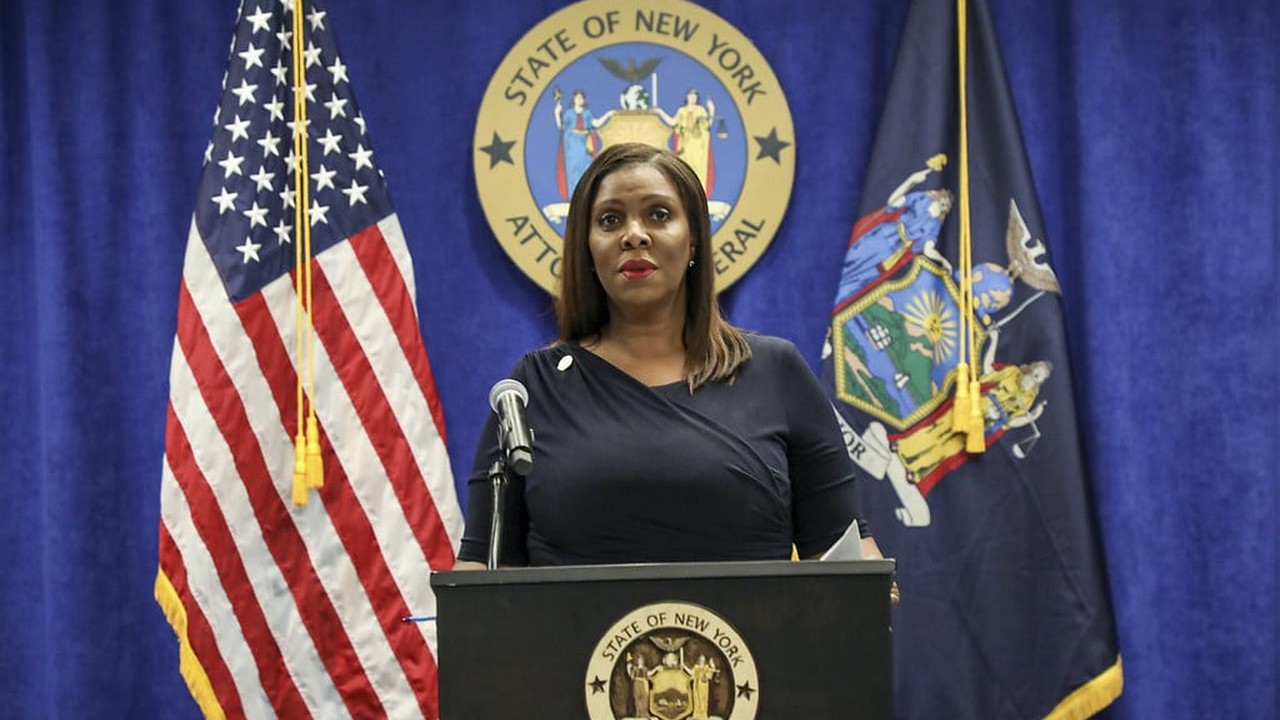
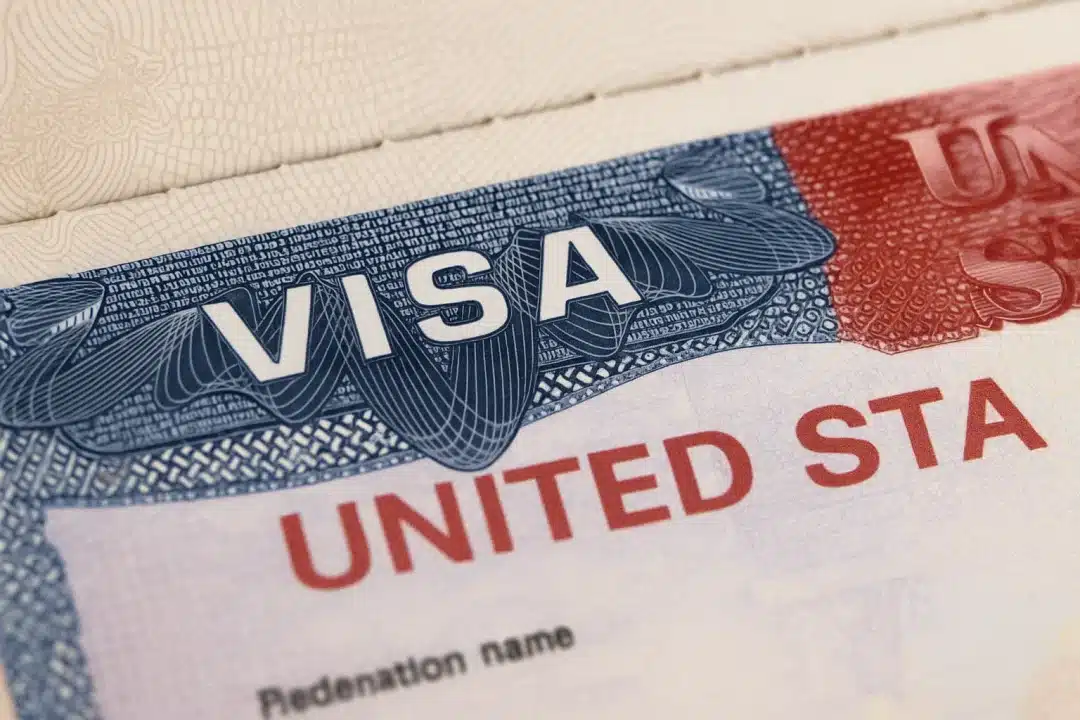
New York joined a coalition of states suing the Trump administration over a plan to impose a $100,000 fee on new H-1B visa applications, a sharp increase that state officials say would strain health care, education, and other essential services.
Why it matters for New York
More than 13,000 people on H-1B visas work in New York, filling roles in technology, finance, the arts, health care, and education. Many serve in public hospitals, universities, and nonprofit institutions that officials say cannot absorb a fee of that size.
State officials warn the change would make the program effectively inaccessible for government and nonprofit employers, cutting off a pipeline of highly trained workers New York relies on to fill long-standing labor shortages.

Health care concerns loom large
The lawsuit highlights particular risks for health care, especially in rural and underserved parts of the state.
In New York’s 16 rural counties, there are currently four primary care physicians for every 10,000 residents. Hospitals statewide already face a nursing shortage projected to reach 40,000 nurses by 2030. Immigrants make up more than a third of New York’s health care workforce, and officials say limiting H-1B visas would worsen those shortages.
Nationwide, the American Medical Association projects a shortage of up to 86,000 physicians by 2036, a gap H-1B workers are expected to help fill.
Impact on education and research
Colleges and universities also stand to lose.
Across the country, at least 930 colleges and universities employ H-1B workers. In New York, SUNY alone employs 693 staff members on H-1B visas, many serving students in rural and suburban areas.
State officials argue that restricting access to the program could lead to crowded classrooms, stalled research, and difficulty recruiting specialized faculty and researchers.
Legal challenge to the fee
The lawsuit, filed in federal court in Massachusetts, argues the administration’s fee increase violates federal law. States say H-1B fees must be set by Congress or through a formal rulemaking process by the Department of Homeland Security.
In this case, officials say the $100,000 fee was announced without public notice or input from affected employers and workers.
The coalition is asking the court to block enforcement of the new fee and declare the policy unlawful.
Broader stakes for the economy
Beyond health care and education, state leaders say industries like technology, finance, and the arts would also feel the impact. Employers across New York rely on H-1B workers to fill specialized roles that are hard to staff locally.
The lawsuit argues that limiting access to skilled immigrant workers would hurt New York’s economy and disrupt essential services, particularly in communities already struggling with shrinking workforces.

FingerLakes1.com is the region’s leading all-digital news publication. The company was founded in 1998 and has been keeping residents informed for more than two decades. Have a lead? Send it to news@fingerlakes1.com.