

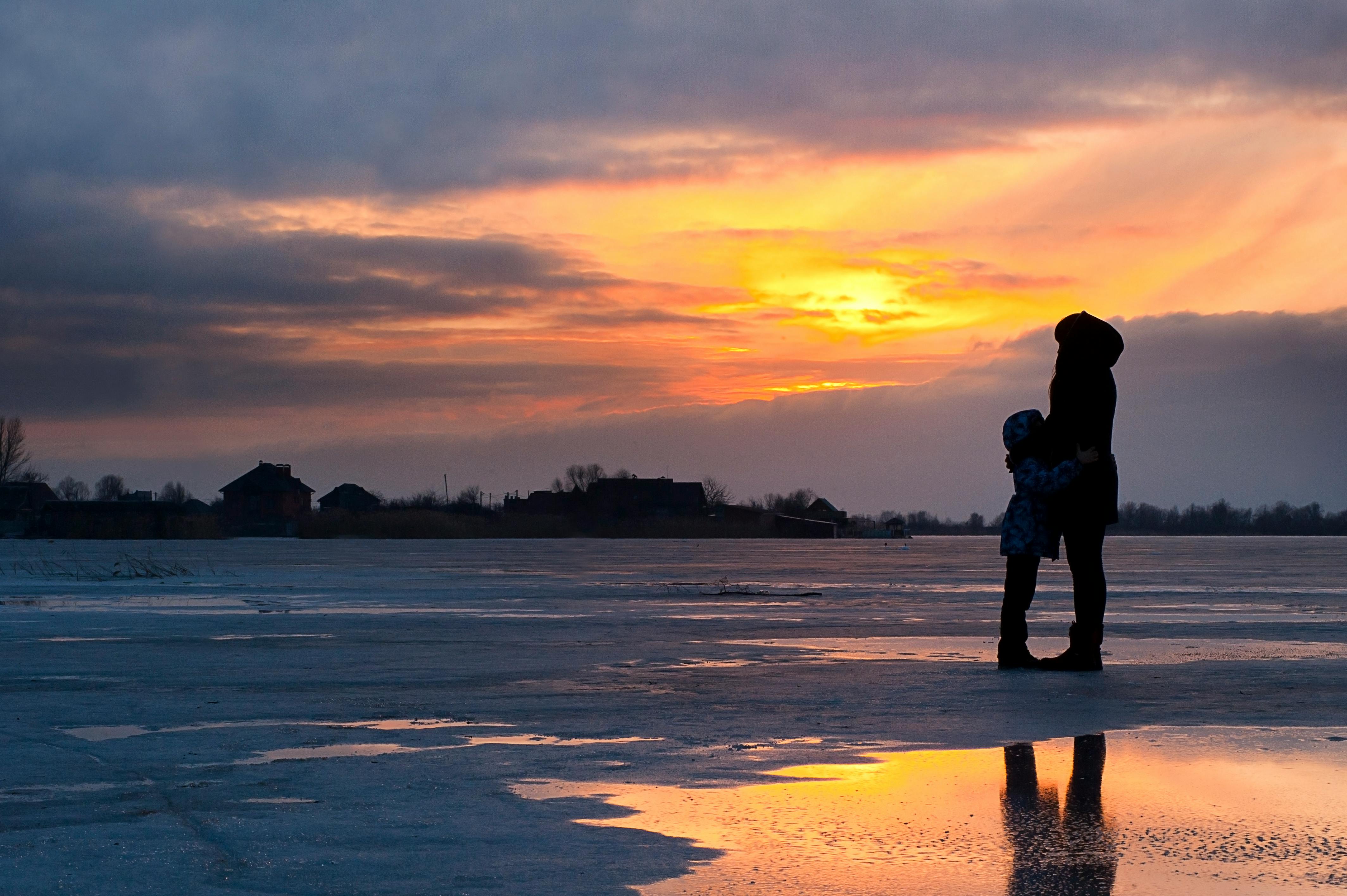
For most residents in the Finger Lakes region, concerns in late 2025 might center on lake-effect snow or property taxes. But for the thousands of Ukrainian-Americans and recent refugees who call areas from Seneca Falls to Geneva home, life is a constant, stressful balancing act. As Ukraine endures another winter marked by a severe energy crisis, these New York residents are fighting a quiet battle: managing vacant apartments, supporting elderly parents, and paying critical utility bills from 6,000 miles away. This is their “two-front life,” a reality of profound local integration mixed with deep remote responsibility.
The 2025 Crisis: A Vacant Apartment Can’t Be an Abandoned One
While the headlines of 2022 focused on humanitarian aid, the 2025 challenge for Ukrainians in the Finger Lakes is one of logistics and financial perseverance. Ukraine’s energy infrastructure, heavily targeted for years, is fragile. This creates a cascade of problems for those managing property from abroad.
The primary fear is not just the accumulation of debt, but the physical integrity of their property. An unpaid heating bill in a Kyiv or Kharkiv high-rise doesn’t just result in a late fee; it can lead to the utility being cut off. In a sub-zero winter, this means burst pipes and catastrophic flooding, destroying not only their own apartment but those of their neighbors. For many, this property represents their life savings or the only home they have left to return to.
This burden extends beyond the utilities themselves. Many are also navigating a bureaucratic nightmare. Property records in Ukraine must be meticulously maintained. A gap in tax payments or utility bills can create a legal vulnerability, a “gap” in the paper trail that could complicate ownership verification later.
There is a palpable fear that a property without an active, paid-up digital trail could be declared abandoned by neglectful municipal authorities or become a target for fraud. Furthermore, many support elderly relatives who remain in Ukraine. Ensuring their power and heat stay on is not an administrative task—it is, for many, a matter of life and death. This remote caregiving adds an immense psychological and financial burden that is often invisible to their American neighbors and colleagues.
Why M&T Bank Can’t Pay a Lviv Utility Bill: The Technical Barriers
The most frustrating part of this process for many local Ukrainians is not the cost, but the sheer technical impossibility of paying bills through normal channels. The U.S. and Ukrainian banking systems are not designed for this specific, low-value, high-frequency task.
A resident in Geneva, NY, cannot simply walk into their local Chase or M&T Bank branch and pay a $40 gas bill for an apartment in Odesa. The reasons are a complex mix of bureaucracy and technology:
- SWIFT Transfers are Ineffective: A traditional international wire (SWIFT) is slow, costs $30-$50 per transaction, and cannot be routed to a specific utility account. It lands in a general corporate account with no way to identify the customer or purpose.
- Lack of System Integration: Ukrainian utility providers (Oblenergos) operate on domestic accounting systems that require specific local identifiers (like a “personal account number” or EIC code) that have no equivalent in the US banking system.
- Geofencing and Fraud Protection: Using a US-issued credit card directly on a small, regional Ukrainian utility site often triggers automated fraud alerts, blocking the transaction.
Complicating matters further is the “unbundling” of Ukrainian utilities—a concept completely foreign to the US system where one bill often covers everything. A single apartment in Ukraine may generate multiple, separate bills from different entities:
- Payment for gas (as a commodity).
- Payment for gas delivery/distribution (a separate bill to a different company for pipe maintenance).
- Payment for electricity (the usage).
- Payment for electricity distribution (also often a separate bill).
- Payment for centralized heating.
- Payment for water and sewage.
- Payment for building maintenance (known as ‘kvartplata’).
A SWIFT transfer is incapable of splitting a payment across these various, highly specific invoices. This forces tech-savvy Ukrainians in the Finger Lakes to bypass the international banking system entirely. They turn to specialized Ukrainian FinTech platforms that are domestically integrated with these local utility providers. Their solution involves using a US credit card on a Ukrainian portal.
Consequently, their online search is not for an English-language solution, but for the specific service in their native language, using terms like оплата комунальних послуг онлайн (which translates to ‘payment of utility services online’). Platforms like these (such as Easypay or similar) are often the only reliable way to ensure a utility bill in Ukraine is paid in minutes, not days, directly settling the specific invoice.
Digital Bridges: How the Local Community Shares Solutions
This complex digital challenge has fostered a powerful, informal support network within the Finger Lakes region. Information is shared not in bank branches, but in local Ukrainian churches, cultural centers, and private social media groups. A resident in Ithaca might share a step-by-step guide on how to navigate a specific payment portal, while another in Canandaigua confirms which services have the lowest fees.
This “digital bridge-building” is a critical, unseen form of community support. Local institutions in the Finger Lakes are also slowly beginning to recognize this invisible barrier.
Employers who have hired Ukrainian newcomers, as well as local aid organizations, find that financial literacy now includes this complex cross-border element. Understanding why a new employee is stressed about a small bill 6,000 miles away is key to providing effective support.
It alleviates immense stress and allows individuals to reclaim a sense of control over their situations. For the broader Finger Lakes community, it’s a powerful reminder that while their Ukrainian neighbors are building new lives in Upstate New York, they are simultaneously shouldering the complex and invisible burdens of a home they are desperate to preserve. Their resilience is not just in their presence, but in their mastery of these complex international logistics, all managed from a laptop or phone in the quiet towns of the Finger Lakes.

This content is brought to you by the FingerLakes1.com Team. Support our mission by visiting www.patreon.com/fl1 or learn how you send us your local content here.