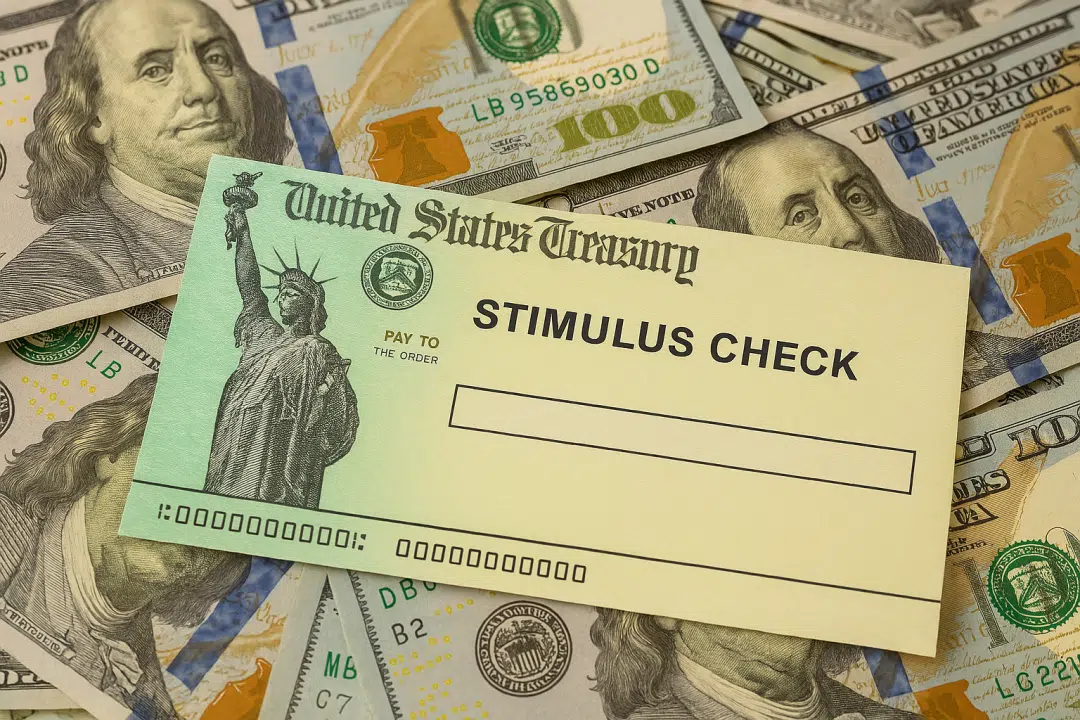
If a new round of stimulus checks is passed, millions of Americans could see sweeping changes compared to the payments sent out during the pandemic. Here’s what’s on the table.

What Lawmakers Are Considering
Congress is weighing proposals for additional direct payments to households in 2025 as part of a broader economic package. While details are still being debated, several key differences could shape how much money goes out, who gets it, and how fast.
How Next Stimulus Payment Will Change
Here are the seven major changes Americans should know about if new stimulus checks move forward:
1. Lower Income Limits
Eligibility could tighten, meaning fewer high-income earners would qualify. Lawmakers are pushing for a sharper phase-out to direct funds toward lower- and middle-income households.
2. Faster Payment Delivery
The IRS and Treasury Department are working on upgraded systems to send payments more quickly—possibly within days instead of weeks.
3. Expanded Digital Options
In addition to direct deposit, recipients may be able to access payments through digital wallets or prepaid debit cards, reducing delays for the unbanked.
4. Larger Payments for Families
Families with children could receive bigger checks, with proposals including enhanced child bonuses or per-child add-ons to base payments.
5. Stronger Fraud Protections
After billions in fraudulent claims during the pandemic, new verification tools and ID requirements are expected to be in place.
6. No Paper Checks for Most
Paper checks may be phased out entirely, with electronic payments becoming the default method.
7. Possible Ties to Inflation or Economic Triggers
Some proposals would link future payments to inflation or unemployment levels, meaning checks could automatically go out during downturns.
What It Means for Households
If approved, these changes could result in more targeted payments, faster relief, and less risk of fraud compared to the three stimulus rounds distributed between 2020 and 2021. But they also mean fewer Americans may qualify than in previous programs.

Lawmakers have not finalized a timeline, but discussions are expected to continue this fall. Until then, households should prepare by ensuring banking details and tax information with the IRS are up to date.

This content is brought to you by the FingerLakes1.com Team. Support our mission by visiting www.patreon.com/fl1 or learn how you send us your local content here.