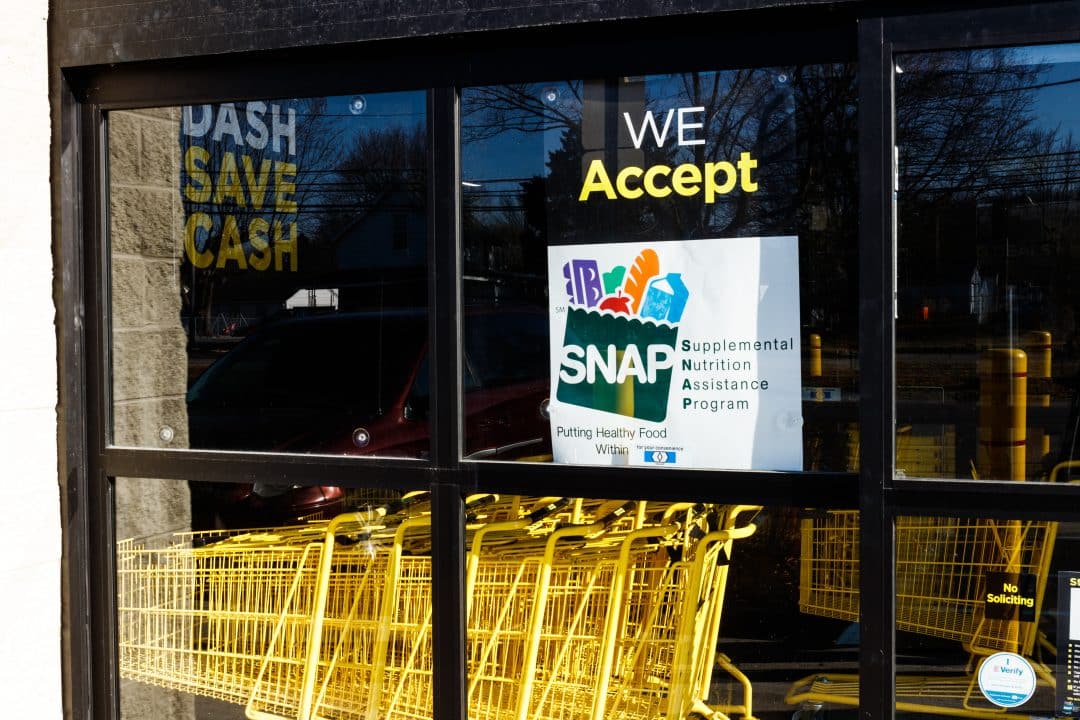
Millions of Americans could lose access to food and healthcare assistance under President Trump’s sweeping tax-and-spending package, according to analysts and government data. Today it will become law when he signs it.
What’s in the bill?
Passed by the House on July 3, the “One Big Beautiful Bill Act” includes deep cuts to social safety net programs in exchange for making Trump-era tax cuts permanent. Among the most significant proposals:
- SNAP Cuts: Work requirements would expand to parents with children over 14 and adults up to age 64.
- Medicaid Cuts: Federal funding would drop by more than $1 trillion, with tighter work rules and more frequent eligibility checks.
Who will be affected?
- Over 42 million Americans rely on SNAP (Supplemental Nutrition Assistance Program), with highest usage in states like New Mexico (21%).
- An estimated 5 million households could lose at least some food aid under the bill.
- About 12 million people could become uninsured as Medicaid support is slashed.
According to the Congressional Budget Office and the Center on Budget and Policy Priorities (CBPP):
- SNAP reductions may affect 16M children, 8M seniors, and 4M adults with disabilities.
- Medicaid work rules target adults 19–64, potentially hitting working parents and low-wage earners hardest.
State-level impacts
Some states may be forced to cover SNAP benefit shortfalls. Those with higher “error rates” in SNAP disbursement would pay a larger share, shifting the burden from the federal government.

In North Carolina, officials warn hundreds of thousands could lose both food aid and health coverage.
Experts warn of dire consequences
Advocates say the bill may lead to:
- More hunger and homelessness
- Overcrowded ERs
- Increased medical debt
- Unmanaged chronic health conditions
Healthcare policy experts describe it as “a tidal wave of pain” for the country’s most vulnerable.
What happens next?
While the Senate version has passed, the legislation could still change before final enactment. Lawmakers aim to meet Trump’s self-imposed July 4 deadline.
More from FingerLakes1.com:

This content is brought to you by the FingerLakes1.com Team. Support our mission by visiting www.patreon.com/fl1 or learn how you send us your local content here.