


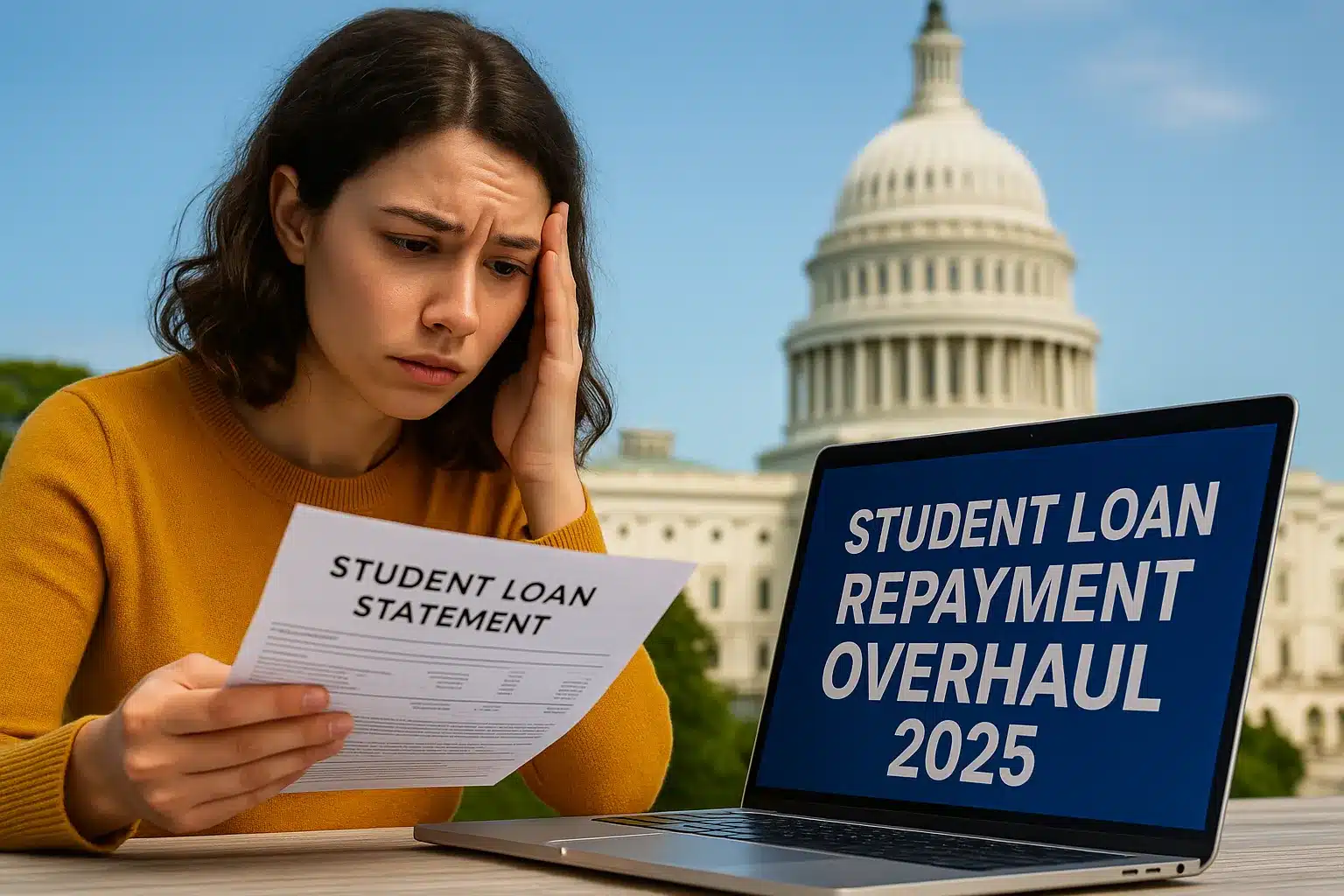

A sweeping new bill in the U.S. Senate could reshape how millions of Americans repay their federal student loans, overhauling key provisions of existing income-driven repayment (IDR) plans.
Backed by President Donald Trump and led by Senate Republicans, the measure aims to simplify repayment options and rein in long-term forgiveness benefits that critics say disproportionately benefit high earners.
What’s in the Bill?
The “Student Loan Repayment Simplification Act,” introduced in late June, proposes a dramatic restructuring of how borrowers pay back federal student debt. Here are the major changes:
- Single IDR Plan: Replaces the current suite of income-driven repayment plans (including SAVE, PAYE, REPAYE, and IBR) with a single, streamlined option.
- Monthly Payment Cap: Caps payments at 10% of discretionary income, with forgiveness available after 20 years for undergraduate loans.
- Graduate Loan Forgiveness Extended: Forgiveness for graduate borrowers would be extended to 25 years, eliminating earlier pathways to cancellation.
- Elimination of Subsidized Interest Benefits: Borrowers would no longer receive government subsidies to cover unpaid interest under IDR plans.
- No Forgiveness for High-Income Borrowers: Forgiveness benefits would be phased out for individuals earning more than $125,000 annually.
These provisions are seen by supporters as a move toward fiscal responsibility. “The current system is riddled with complexity and loopholes,” said Sen. Bill Cassidy (R-La.), a key sponsor of the bill. “This legislation simplifies repayment and ensures fairness across income levels.”
Trump Administration’s Role
President Trump, who returned to the White House in January 2025, has made student loan reform a policy priority. His administration has criticized President Biden’s SAVE Plan as overly generous and fiscally unsustainable. The Senate bill aligns with Trump’s broader agenda to cut costs, reduce federal intervention, and end what he has called “a broken promise of blanket forgiveness.”
In a recent rally, Trump told supporters, “We’re not bailing out rich lawyers and doctors. We’re fixing the system for hardworking Americans.”
How This Impacts Borrowers in 2025
If passed, the new bill would:
- Cancel the SAVE Plan entirely, even for borrowers already enrolled.
- End automatic forgiveness for low monthly payments due to poverty-level incomes.
- Raise required payments for many borrowers, especially those with larger balances or graduate debt.
- Impact millions currently planning around income-driven cancellation timelines.

Critics argue the bill disproportionately affects low- and middle-income borrowers, many of whom rely on subsidized interest and early forgiveness to stay afloat. “This bill punishes responsible borrowers trying to make ends meet,” said Persis Yu, an attorney with the Student Borrower Protection Center.
What’s Next?
The bill has yet to pass the full Senate, but with support from Trump and the Republican majority, it’s expected to move quickly through committee. A companion bill is likely to be introduced in the House in the coming weeks.
Borrowers are advised to:
- Stay enrolled in their current IDR plan until any changes are finalized.
- Monitor Department of Education updates closely in case of eligibility changes or new application requirements.
- Consult a loan servicer or legal aid group before making major repayment changes.
Key Takeaways
- A new Senate bill proposes a single income-driven repayment plan to replace all existing options.
- The bill would end the SAVE Plan and phase out forgiveness for high earners.
- Backed by President Trump, the legislation marks a major shift in federal student loan policy.
- Borrowers should prepare now and stay updated on potential changes.
MORE COVERAGE & UPDATES: Federal Student Loans | Trump Administration

This content is brought to you by the FingerLakes1.com Team. Support our mission by visiting www.patreon.com/fl1 or learn how you send us your local content here.