


New York Attorney General Letitia James has secured a preliminary injunction halting the Trump administration’s plan to dismantle three federal agencies that support public libraries, minority-owned businesses, and labor rights.
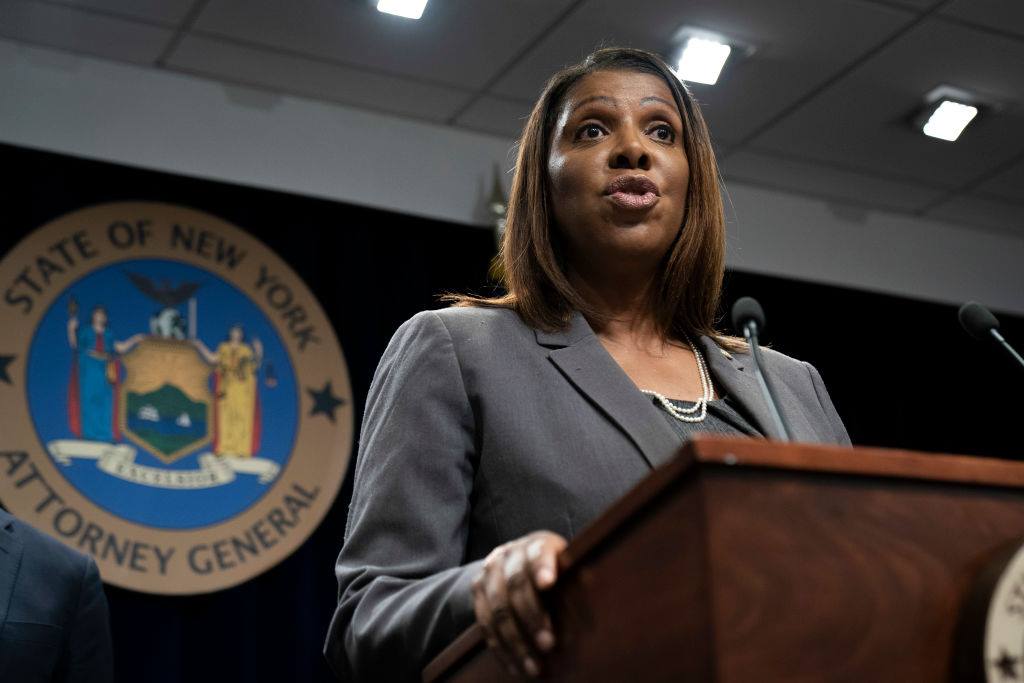
A federal court in Rhode Island granted the injunction after James and 20 attorneys general filed a multistate lawsuit in April. The lawsuit argued the administration’s executive order was illegal and exceeded presidential authority.
“The administration’s attack on these agencies is illegal, and today we put a stop to it,” James said. “I will continue to fight back against this administration’s chaos and destruction of basic services.”
What Trump tried to do
The executive order aimed to eliminate three agencies:
- Institute of Museum and Library Services (IMLS): Supports libraries and museums with funding for broadband, literacy programs, and staffing.
- Minority Business Development Agency (MBDA): The only federal agency focused solely on supporting minority-owned businesses.
- Federal Mediation and Conciliation Service (FMCS): Helps resolve labor disputes and prevent strikes.
James and her colleagues argued that dismantling these agencies violated the Constitution and the Administrative Procedure Act, which requires proper legal steps to change or dissolve agencies created by Congress.
What was at stake
Had the executive order moved forward:
- $180 million in library funding would have been threatened, including over $8 million in New York used for broadband access, literacy programs, and library staffing.
- The MBDA’s closure would have ended critical support for minority entrepreneurs nationwide.
- The FMCS would be eliminated, even as the U.S. sees a rise in labor organizing and union activity.
These agencies are considered vital to economic equity, public education, and workplace stability.
Court sides with the states
The U.S. District Court for the District of Rhode Island ruled that the attorneys general showed a strong likelihood of success in their case. The court said the executive order likely violated federal law and overstepped executive powers.
The injunction protects the agencies from closure while the case moves forward.
A broad coalition pushed back
The lawsuit was co-led by the attorneys general of New York, Rhode Island, and Hawaii, and joined by officials from 17 other states, including California, Illinois, Massachusetts, New Jersey, and Oregon.
Their goal: preserve long-standing federal programs that serve vulnerable communities and uphold laws passed by Congress—not swept away by executive action.

FingerLakes1.com is the region’s leading all-digital news publication. The company was founded in 1998 and has been keeping residents informed for more than two decades. Have a lead? Send it to [email protected].