

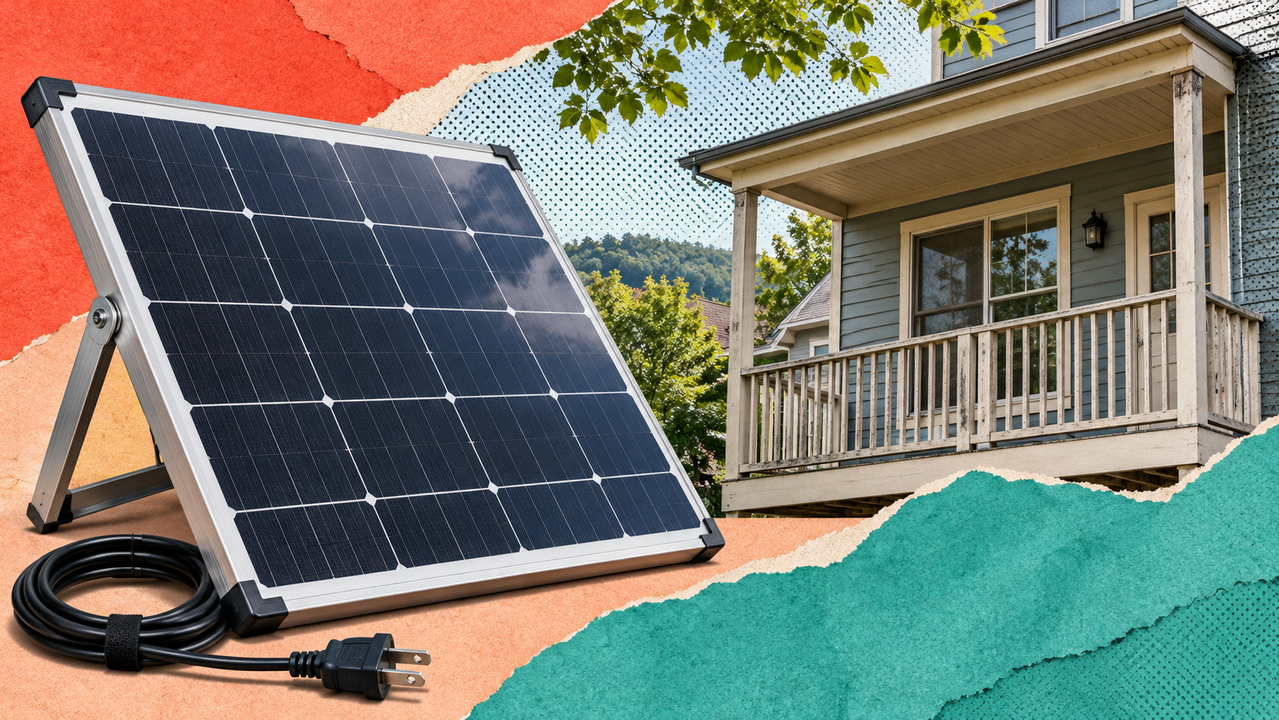
Mayors in Rochester, Syracuse and Ithaca want Gov. Kathy Hochul to give residents another way to trim their electric bills: small solar systems that connect through a household outlet.
They joined local leaders across New York in urging Hochul to sign the SUNNY Act, which passed both houses of the Legislature in May and still awaits her decision. Supporters say the technology could bring solar power within reach of renters and homeowners who cannot install a full rooftop system.
Rochester Mayor Malik Evans, Syracuse Mayor Sharon Owens and Ithaca Mayor Robert Cantelmo signed the appeal, City & State reported Thursday. The letter argues that allowing smaller systems would help residents save money while reducing emissions and pressure on the electric grid.
What the bill would change
The Solar Up Now NY Act, sponsored by Sen. Liz Krueger and Assemblymember Emily Gallagher, would create a simpler process for eligible portable solar systems.
Instead of requiring utility approval before installation, the bill would require owners to notify their utility within 30 days afterward. Utilities would have to provide a short form asking for the customer’s contact information, service address, account number and equipment details.
Qualifying systems would be limited to 1,200 watts of continuous AC inverter output. They would need certification as a complete system from an accredited, nationally recognized testing laboratory and would have to meet state building and fire codes and manufacturer instructions.
Utilities could not charge customers a device-related fee or require additional controls beyond those integrated into qualifying equipment.

The systems would also need protection against dangerously sending electricity into a building’s wiring or the local grid during an outage or maintenance interruption.
Smaller systems would have different billing rules
Customers would remain connected to their utility. The panels would provide a smaller source of electricity intended to offset some household consumption.
The bill would exempt qualifying systems from the utility connection and net-metering requirements applied to larger installations. Net metering generally allows customers to receive credit for electricity they send to the grid.
Under this proposal, surplus electricity would go uncompensated unless a customer voluntarily entered a net-metering or other payment agreement. Installing a panel would not automatically create a credit for power exported to the grid.
Krueger has promoted the measure as a way to expand access to solar without the expense and installation work of a rooftop project. In her announcement after legislative passage, she said it could help households “shave a little bit off their electricity bill every month.”
Safety requirements remain part of the plan
The simpler installation process would still depend on equipment designed for safe use in a home’s electrical system.
UL Solutions launched a testing and certification program in January addressing risks associated with plug-in solar, including overloaded circuits, exposed electrical parts and electricity flowing back into lines.
The program evaluates equipment under UL 3700, a framework developed specifically for interactive plug-in solar systems. Its requirements cover construction, performance, labeling and protective features.
If Hochul signs the legislation as passed, it would take effect 90 days after becoming law.
Make FL1 part of your day.
Local reporting. Useful updates. More ways to stay close to your community.
Go ad-free
Support independent local reporting and enjoy FL1 without display ads.
$4.99 / month
Become a member →Cancel anytime. Third-party media players may contain ads.Get the daily briefing
Start your morning with the headlines that matter across the Finger Lakes.
Find more FL1 on Google
Choose FingerLakes1.com as a preferred source to see more of our reporting in your Google news results.

FingerLakes1.com is the region’s leading all-digital news publication. The company was founded in 1998 and has been keeping residents informed for more than two decades. Have a lead? Send it to news@fingerlakes1.com.