

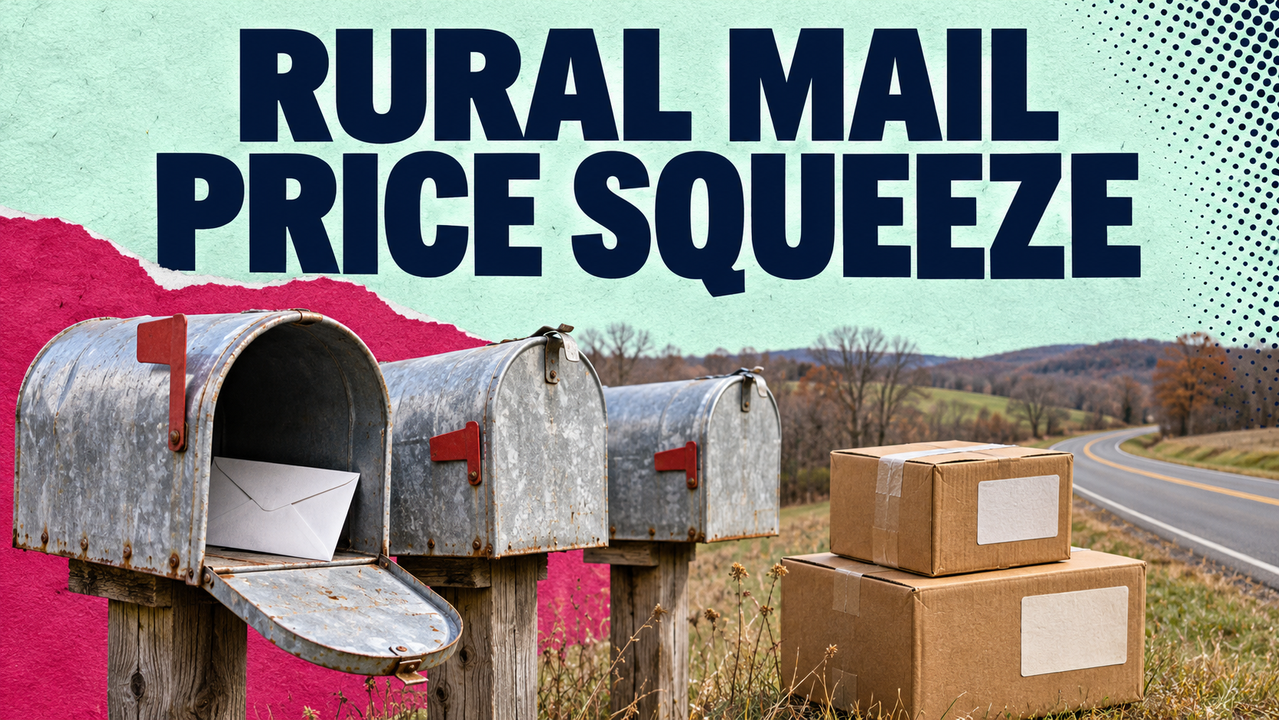
Rural Upstate New York customers could pay more to ship packages next year as the Postal Service pursues higher rates while earlier cost-cutting changes make some outgoing mail take longer to reach its destination.
USPS has proposed average domestic shipping increases of 5.9%, scheduled for Jan. 17, 2027, subject to Postal Regulatory Commission review. It also plans to replace an existing 8% transportation-related price adjustment with an 11% fuel surcharge.
For small businesses shipping orders and households sending packages from rural communities, the proposal adds a cost concern to an existing service issue. A September federal audit found that changes to postal collections can add at least a day to outgoing mail from affected locations, with rural customers particularly exposed.
What would cost more?
The Nov. 12 shipping proposal covers Priority Mail, Priority Mail Express, USPS Ground Advantage and Parcel Select.
The 5.9% figure is an average across those domestic shipping services, rather than the increase for every package.
The proposed 11% fuel surcharge would replace the 8% transportation adjustment introduced in April. It would not be an additional 11% charge on top of that existing adjustment. USPS says it will reevaluate the surcharge in July based on fuel prices during the first half of 2027.
The announcement does not increase stamp prices, and competitive post office box prices would remain unchanged in January.
USPS says the changes would provide revenue needed to sustain its nationwide network. The practical effect for an individual shipper will depend on the service and applicable package rate.
Rural customers face a separate timing problem
A Government Accountability Office report released Sept. 17 found that postal cost-cutting initiatives and other factors had contributed to declining service performance.
One change eliminates afternoon or end-of-day collection at affected post offices more than 50 miles from a regional processing hub. Mail dropped off after the morning collection can remain there until the next business day, adding at least a day to its expected delivery time.
Rural post offices are more likely to be beyond that distance threshold, the audit found.
USPS told auditors that the change primarily affects outgoing mail and packages, while incoming mail is generally unaffected. Postal officials also said some routes benefit from more efficient transportation.

For a rural business, that distinction matters: Receiving deliveries on a familiar schedule does not necessarily mean an order dropped off that afternoon will leave town the same day.
Customers sending time-sensitive bills, documents or merchandise should check their local collection schedule rather than assume closing time is the last opportunity for mail to depart.
The post office is part of the rural economy
Postal access matters beyond the price of sending a single box.
A Brookings analysis of rural small businesses found that counties with better access to post offices had higher levels of unincorporated business activity, even after accounting for broadband access and other local economic conditions.
The relationship was strongest in sectors including construction and repair, retail, transportation and personal services. Those businesses use the postal network to ship goods, receive parts, exchange documents and maintain mailing addresses.
The research identifies an association rather than measuring the effect of this particular rate proposal. But it helps explain the stakes for small communities: Postal service functions as shared business infrastructure.
For an Upstate seller shipping small orders, higher postage creates a choice between absorbing the expense, charging customers more or finding another shipping arrangement. Changes to collection times can also affect when that seller needs to finish and drop off an order.
Higher revenue has not ended USPS losses
The proposal follows fiscal 2026 results showing a $6.5 billion net loss, down from $9 billion the previous year.
Operating revenue increased 3% to $82.9 billion. Shipping and package revenue rose 5.1%, even as package volume declined 5.3%.
The improvement in the overall loss partly reflected lower workers’ compensation expenses associated with actuarial valuations and discount rates. USPS still reported a $2.4 billion “controllable loss,” its measure excluding certain costs management considers outside its control.
The agency had already warned of a severe cash crunch despite improving quarterly results.
USPS says it reduced work hours by 19 million during fiscal 2026 and deferred approximately $2.6 billion in pension contributions. Those deferred obligations still must be paid.
Postal officials are seeking changes to borrowing limits, pension funding and investment rules alongside higher prices. For customers planning January shipments, the proposed product-by-product rates are available through USPS Postal Explorer.
Make FL1 part of your day.
Local reporting. Useful updates. More ways to stay close to your community.
Go ad-free
Support independent local reporting and enjoy FL1 without display ads.
$4.99 / month
Become a member →Cancel anytime. Third-party media players may contain ads.Get the daily briefing
Start your morning with the headlines that matter across the Finger Lakes.
Find more FL1 on Google
Choose FingerLakes1.com as a preferred source to see more of our reporting in your Google news results.

FingerLakes1.com is the region’s leading all-digital news publication. The company was founded in 1998 and has been keeping residents informed for more than two decades. Have a lead? Send it to news@fingerlakes1.com.