


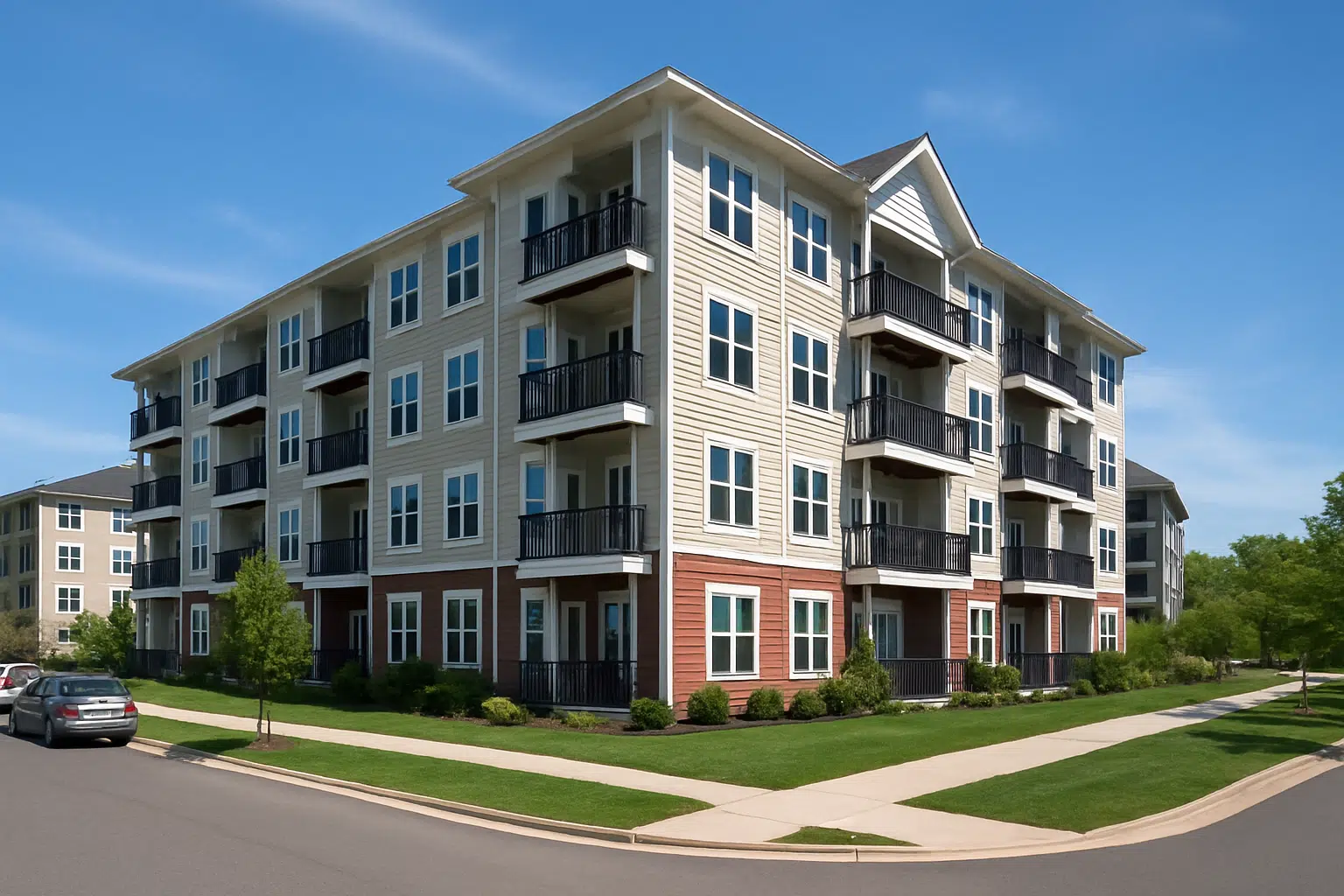
The Finger Lakes’ housing problems extend well beyond the price of a house. Communities need affordable rentals, smaller homes for older residents, starter homes for first-time buyers and infrastructure that can support construction. The latest New York State Association of Realtors market report shows how uneven the challenge has become: August’s median sale price ranged from $230,000 in Cayuga County to more than $403,000 in Tompkins County.
In an editorial submitted Sept. 30, state Sen. Pam Helming called for a combination of manufactured housing, homebuyer tax credits, renovation incentives and infrastructure assistance. Her proposals come as New York expands housing programs and local governments confront shortages documented in assessments such as Ontario County’s housing needs study.

“What works in Manhattan may not work in Manchester or Mount Morris,” Helming wrote.
That argument — that different communities need different housing solutions — also runs through a September housing article from O’Donnell & Associates. The public affairs firm interviewed lawmakers, developers, bankers and labor representatives about manufactured homes, vacant land, financing and rehabilitation.
The two pieces offer policy arguments and industry perspectives. Local housing assessments, current sales figures and state program requirements provide a clearer picture of what those approaches could mean for the Finger Lakes.
Home prices tell only part of the story
August sales figures show substantial differences across the region.
| County | August 2026 median sale price | Change from August 2025 |
|---|---|---|
| Cayuga | $230,000 | −12.9% |
| Livingston | $247,200 | +11.1% |
| Ontario | $360,000 | +24.2% |
| Schuyler | $292,500 | −22.0% |
| Seneca | $250,000 | +25.0% |
| Tompkins | $403,708 | −0.3% |
| Wayne | $280,000 | −0.9% |
| Yates | $391,250 | +16.8% |
The figures cover single-family homes, townhouses and condominiums reported through participating multiple listing services. They measure the prices of properties sold, rather than changes in every home’s value.
Small sales totals can produce large monthly swings. Seneca County recorded 29 closings in August, while Yates had 24 and Schuyler had 20. Ontario County recorded 113.
Availability also varied. Wayne County had 1.7 months of supply, compared with 2.4 months in Ontario and Seneca and 4.9 months in Tompkins. Statewide inventory increased 8% from a year earlier, but additional listings do not necessarily put homes within reach of local wages.
For renters, the sales market provides little information about whether an available apartment is affordable, accessible or near work.
Ontario County’s assessment identifies pressure on renters and workers
Ontario County’s housing research provides evidence of those broader needs.
In a January 2025 summary of its earlier housing assessment, the county reported that 43.2% of renter households and 16.5% of homeowner households spent at least 30% of their income on housing. That threshold is commonly used to identify households burdened by housing costs.
Those figures describe the assessment’s underlying census data, rather than a new September 2026 measurement. They nevertheless show why an increase in construction alone may not resolve affordability.
The county also identified demand for workforce homes priced between $150,000 and $275,000 — below Ontario County’s August median sale price. Its recommendations included townhouses, multifamily buildings and mixed-use development, which can spread land and infrastructure expenses across more homes.
Housing availability also affects employers. In a separate March 2025 workforce housing report, county officials described workers commuting from neighboring counties and employers struggling to help recruits find suitable housing.
The report included an account from Thompson Health of an employee commuting from Ithaca because the worker could not afford housing in Canandaigua. It illustrates the connection between housing costs, travel time and recruitment.
Older residents face another set of needs. The county’s older-adult housing review identified demand for smaller, accessible homes near health care, groceries and transportation, along with assisted living and supportive housing.
Helping residents move into appropriate smaller homes could also make existing houses available to other buyers. That requires homes older residents can afford and want to occupy.
Manufactured housing gets a local test near Geneva
Manufactured housing is a central part of Helming’s argument and the O’Donnell article.
Jeff Cook, of Rochester-based Cook Properties, told O’Donnell that factory production can lower construction costs and shorten the time needed to produce a home. He described three-bedroom, two-bathroom manufactured homes in the $175,000 to $200,000 range.
Those are a developer’s estimates, rather than an independently established regional average. The article does not establish that those amounts represent a finished property’s total cost, including land, site preparation, utilities and financing.
A Geneva-area development offers a concrete example of the approach. Cook Properties announced a groundbreaking for 145 planned homes on Carter Road, with buyers owning both their homes and the land beneath them.
That ownership structure matters. In many manufactured home communities, residents own their homes but rent their lots, creating an ongoing housing expense. The company’s announcement does not establish final Carter Road sale prices or a completion date.
Manufactured housing still requires suitable sites, utility connections, financing and local approvals. Its potential savings must be evaluated alongside those expenses.
New York is already investing in factory-built homeownership. State Homes and Community Renewal’s January 2026 program materials describe $50 million for MOVE-IN NY, intended to expand a pilot into as many as 200 additional starter homes statewide.
The pilot used vacant land owned by land banks in Schenectady, Syracuse and Newcomb. HCR reported that the three-bedroom homes cost approximately $250,000 each to build and install and would be sold below construction cost to eligible low- and moderate-income buyers.
That model combines construction efficiencies with public assistance and available land. It does not mean every privately built manufactured home can be delivered at the same price.
Helming’s proposals address different costs
Helming’s editorial points to several bills that would help buyers, homeowners or developers. The Senate’s bill records list them as proposals, rather than enacted benefits.
Her manufactured housing bill, S576, would provide a state income tax credit of up to $2,000 for each qualifying newly installed manufactured home. The credit would be available under personal and business income tax provisions.
The amount would reduce part of the expense, but it would cover only a small share of a home’s purchase and installation costs.
Her first-time homebuyer bill, S850, would create a refundable state income tax credit tied to property taxes on a primary residence. The credit would equal 50% of qualifying property taxes in the first year, declining to 40%, 30%, 20% and 10% over the next four years.
The eligibility rules generally would require that buyers and their spouses had not owned a primary residence during the preceding three years. Owners of investment or vacation properties would be excluded.
The proposal would help with costs after purchase. It would not reduce a municipality’s tax rate or provide an upfront down payment.
A separate renovation proposal, S852, would exempt qualifying improvements to a newly purchased home from additional property taxation for five years after purchase.
The exemption would apply to the assessed value added by eligible work, rather than eliminate the home’s entire property tax bill. Qualifying improvements would have to total at least $15,000 and meet contracting deadlines associated with the purchase.
That approach could help buyers rehabilitate older properties without immediately paying higher taxes on the improvements.
Helming’s housing infrastructure proposal, S851, would offer a state income tax credit of up to 10% of eligible infrastructure project costs.
Although the editorial describes infrastructure assistance as a way to help communities, the legislation would establish a taxpayer credit, rather than a direct municipal grant. That distinction affects who could use it and how projects would be financed.
State funding brings a debate over local control
Water, sewer and other infrastructure can determine whether an otherwise suitable site is ready for housing.
Hochul’s administration has used the Pro-Housing Communities program to connect certain state funding opportunities with local commitments to housing growth. HCR says certification is required for access to designated discretionary programs totaling up to $750 million.
Helming objects to making certification a condition of funding, arguing that communities should retain flexibility over development.
The requirements apply to specified programs, rather than every category of state assistance. Under HCR’s certification guidance, communities can qualify by demonstrating housing growth or by adopting a commitment to Pro-Housing principles and submitting zoning and permitting information.
The state also established a separate $100 million Pro-Housing Supply Fund to help certified communities address infrastructure needs that constrain housing development.
The disagreement centers on how state government should encourage construction: through funding conditions, broadly available incentives or some combination.
Helming also argues that property taxes, regulations, approval delays and energy requirements increase housing costs. Those are her policy arguments; neither supplied article calculates their individual contribution to prices across the Finger Lakes.
Central New York’s housing push reaches Cayuga County
Expected employment growth around Micron’s semiconductor investment has added urgency to housing discussions in Central New York.
In February, Hochul announced a Housing Central New York fund totaling $150 million. The revolving loan fund combines $30 million from the state with $120 million from participating partners and aims to support at least 2,500 workforce homes over seven years.
Those homes are a production goal, rather than completed construction.
Cayuga County is eligible, along with Cortland, Madison, Oneida, Onondaga and Oswego counties. Most other Finger Lakes counties are outside the program’s geographic boundaries.
Projects must meet size, density and Pro-Housing location requirements. Rental developments must reserve at least 10% of units for households earning no more than 80% of area median income; homeownership projects must reserve at least 10% for buyers earning no more than 110%.
Those requirements do not make every home in a funded development affordable to lower-income households. The program is also development financing, rather than direct assistance for an individual renter or buyer.
Preserving existing housing remains part of the solution
New construction is only one part of the region’s housing needs.
The O’Donnell article includes calls from Assembly Housing Committee Chair Linda Rosenthal to preserve existing homes and provide rental assistance, alongside construction. State Sen. Jeremy Cooney discussed using vacant lots and land banks to reduce development expenses.
Those approaches address different problems. Rehabilitation can return an unusable property to the market. Rental assistance can help a household afford an existing apartment. New construction can add homes where demand exceeds availability.
None guarantees the others. A repaired apartment can still be expensive, a housing voucher still requires an available rental, and a new subdivision may serve buyers whose incomes are well above those of many local workers.
For the Finger Lakes, the evidence points to a need for several kinds of housing at once: affordable apartments, attainable starter homes, accessible homes for older residents and repairs that keep existing buildings useful.
The proposals now being discussed would address pieces of that challenge. Their value will depend on where homes are built, who can afford them, whether infrastructure is ready and whether promised units become places people can actually live.

FingerLakes1.com is the region’s leading all-digital news publication. The company was founded in 1998 and has been keeping residents informed for more than two decades. Have a lead? Send it to news@fingerlakes1.com.