

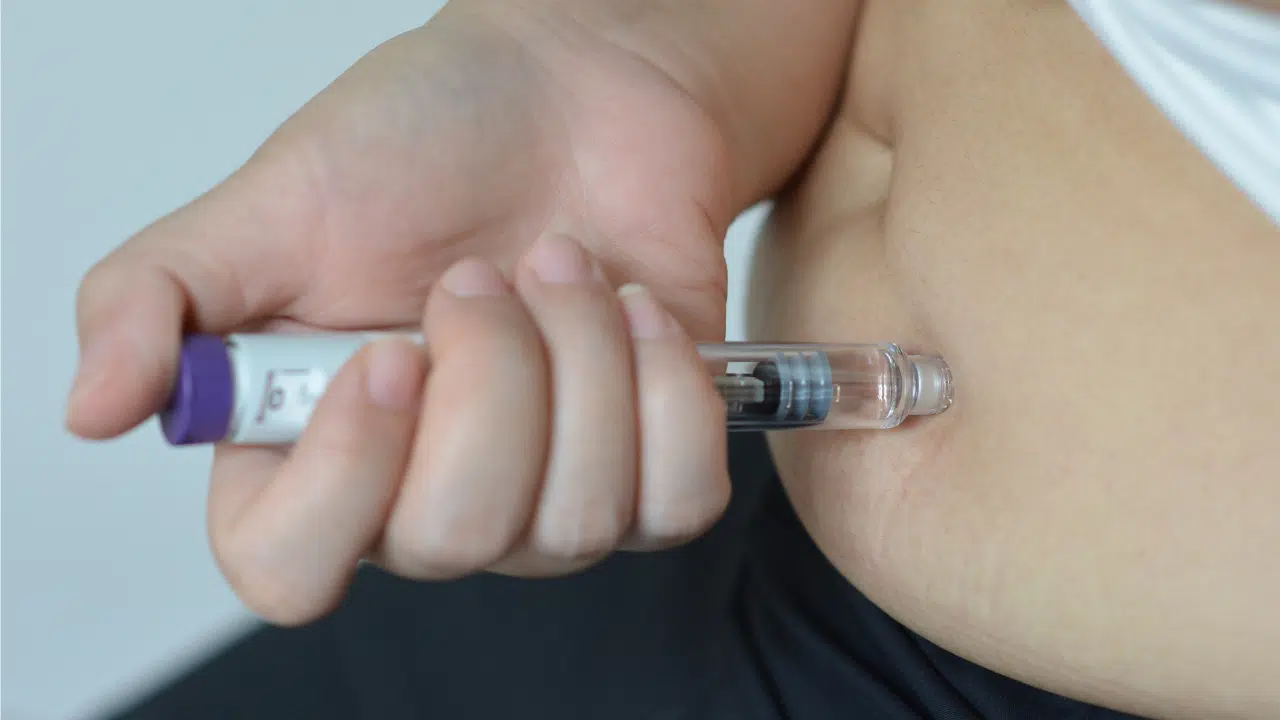
As GLP-1 weight-loss drugs become increasingly common, new Gallup research suggests the medication itself may be only part of the equation — a finding with particular relevance in New York, where roughly two-thirds of adults are overweight or have obesity.
Gallup found that people who had used GLP-1 medications for weight loss were more likely to describe the drugs as “extremely effective” when several other factors were present in their lives: regular exercise, healthy eating, social support, goal-setting and remaining active and productive throughout the day. The findings don’t prove those behaviors caused greater weight loss, but they suggest successful use of the increasingly popular medications may be closely connected to what happens beyond the prescription.

The research comes as medications such as Wegovy and Zepbound have changed the national conversation around obesity treatment. Gallup found 15% of U.S. adults have now used GLP-1 medications for weight loss, while 11% are currently using them.
Among 784 adults in Gallup’s survey who had used the drugs for weight loss, 31% described them as extremely effective and another 40% said they were effective. About 7% said the medications weren’t effective at all.
For New York, the broader health issue is significant. The state Department of Health says 64.1% of New York adults had overweight or obesity in 2023, including 28% who had obesity. (New York State Department of Health)
Gallup’s findings suggest that simply gaining access to a GLP-1 medication may not tell the entire story about how patients experience the treatment.
Five factors stood out
Gallup examined 32 behaviors and experiences and identified five with the strongest relationships to users reporting that their GLP-1 medication was extremely effective.
One of the strongest wasn’t directly related to diet or exercise at all: having another person who consistently encourages healthy behavior.
GLP-1 users with that kind of support were about twice as likely to describe their medication as extremely effective. Gallup suggested encouragement could help people maintain healthier eating, physical activity and other routines while also providing accountability when motivation declines.
Exercise was another significant factor. The biggest difference appeared among people exercising at least 30 minutes on five or more days each week. Perceived effectiveness increased by about 11 percentage points at the five-day threshold and then rose only slightly among those exercising six or seven days.
Diet showed a similar pattern. People who reported eating five or more servings of fruits and vegetables on at least five days per week were more likely to report that their GLP-1 medication was extremely effective.
Goal-setting also stood out. Users who said they had accomplished most of their goals during the previous year were more than twice as likely as those who hadn’t to describe GLP-1 treatment as extremely effective.
Finally, Gallup found a relationship with being active and productive throughout everyday life — something it distinguished from structured exercise. People who said they were active and productive every day were nearly twice as likely to report extremely effective results.
Why it matters in New York
The findings are relevant to New York not simply because of the state’s obesity numbers, but because access to weight-loss treatment and access to the lifestyle supports associated with it aren’t necessarily the same thing.
New York health officials acknowledge that obesity isn’t solely an issue of individual choices. The state Department of Health points to social and economic factors including poverty, housing, access to affordable healthy foods, safe places for physical activity and access to health care as contributors to disparities in obesity. (New York State Department of Health)
That distinction matters when interpreting Gallup’s research.
A person may have a prescription but live somewhere without convenient access to fresh produce. Someone may be advised to exercise regularly but lack safe or accessible places to do it. Others may lack the family or social support that Gallup found was strongly associated with perceived success.
Those challenges can vary considerably across New York, particularly between urban, suburban and rural communities.
Insurance coverage adds another layer. New York’s Medicaid pharmacy program continues to exclude drugs such as Wegovy and Zepbound when they’re prescribed specifically for weight loss, although GLP-1 medications can be covered for other eligible indications. (New York State Department of Health)
That coverage policy has potentially broad implications. New York Medicaid enrollment stood at roughly 6.37 million people in July, including about 2.8 million outside New York City. (New York State Department of Health)
What the research doesn’t prove
Gallup cautioned against treating the findings as clinical evidence that following these five behaviors will cause GLP-1 medications to produce greater weight loss.
The study measured what patients said about their experience, not changes in weight, body fat or other biometric measures. It also found associations rather than cause and effect.
There are several possible explanations for those relationships. People who regularly exercise, eat fruits and vegetables and follow through on goals may be more likely to adhere closely to treatment overall. People who lose substantial weight may also become more active and productive because they’re feeling better.
In other words, the direction of the relationship isn’t established by the survey.
Gallup’s analysis was based on a May 28-June 5 survey of 5,065 adults across all 50 states and Washington, D.C., including 784 people who reported having used GLP-1 drugs for weight loss.
Still, the findings add another dimension to a rapidly changing approach to obesity treatment.
For New York, where nearly two-thirds of adults are already dealing with overweight or obesity, the larger question may increasingly become not only who can access GLP-1 medications, but whether patients also have access to the food, physical activity, health care and social support that may help them get the most from treatment.

FingerLakes1.com is the region’s leading all-digital news publication. The company was founded in 1998 and has been keeping residents informed for more than two decades. Have a lead? Send it to news@fingerlakes1.com.