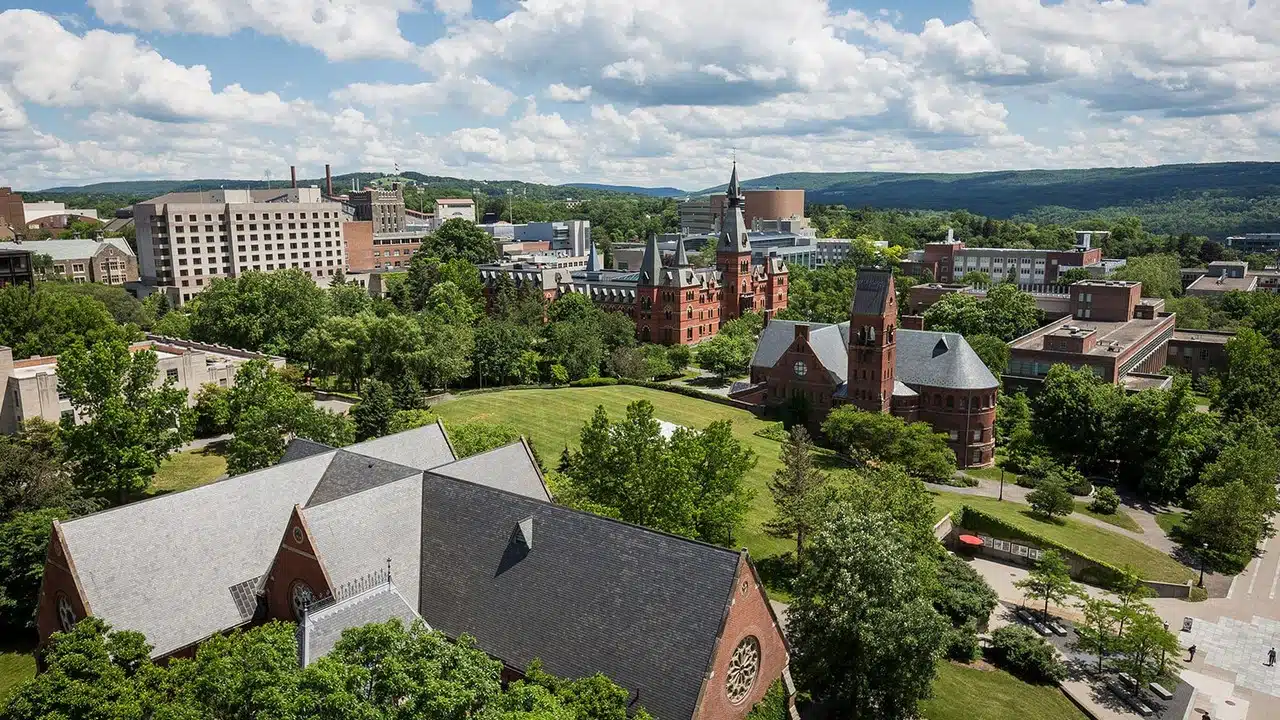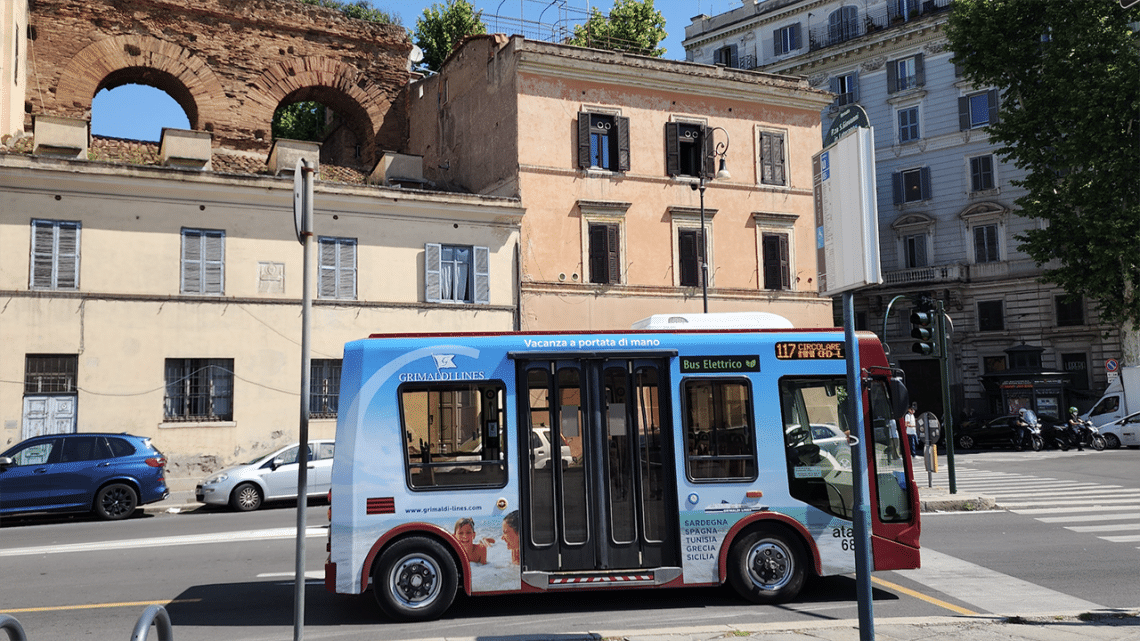
Electric buses can improve the experience of existing transit riders, but electrification alone is unlikely to persuade many drivers to leave their cars, according to a Cornell-led study.
The research, published in June in the journal Energy Economics, found that shorter waits and more reliable service may be more important than cleaner technology when agencies seek to increase ridership.

Ricardo Daziano, a professor in Cornell’s School of Civil and Environmental Engineering and the study’s lead author, began the research after Rome announced plans to add hundreds of electric buses. He worked with collaborators at Sapienza University of Rome to survey 577 commuters.
Researchers presented participants with combinations of fares, travel time, waiting conditions, crowding and environmental effects. Their behavioral model also considered environmental awareness, social norms and familiarity with electric buses.
Riders value a quieter trip
People who already used public transit placed value on the quieter, smoother ride and environmental benefits of electric buses, the study found. Drivers were less influenced by those features and generally were not drawn away from private vehicles.

Across the survey, travelers were willing to pay more for transportation options that reduced air pollution, climate effects and noise. Daziano said the findings show that riders notice and value the broader benefits of electric fleets.
The results also distinguish two goals that transit agencies often pursue at the same time: improving service for current passengers and shifting travelers away from cars. Replacing diesel buses can support the first goal without necessarily accomplishing the second.
Service remains central
The researchers said agencies seeking to attract drivers should pair fleet upgrades with practical improvements such as shorter waits and dependable schedules.
Firsthand experience on an electric bus could also increase support for the technology, the study found.

Co-authors included Siqi Feng, Mirko Giagnorio and Tiziana D’Alfonso. The work was supported by Sapienza University of Rome and the National Science Foundation, with some research conducted at Cornell Tech.

FingerLakes1.com is the region’s leading all-digital news publication. The company was founded in 1998 and has been keeping residents informed for more than two decades. Have a lead? Send it to news@fingerlakes1.com.